
St. John the Baptist Parish Church – Libod, Bato, Catanduanes (Diocese of Virac)
About St. John the Baptist Parish Church – Libod, Bato, Catanduanes (Diocese of Virac)
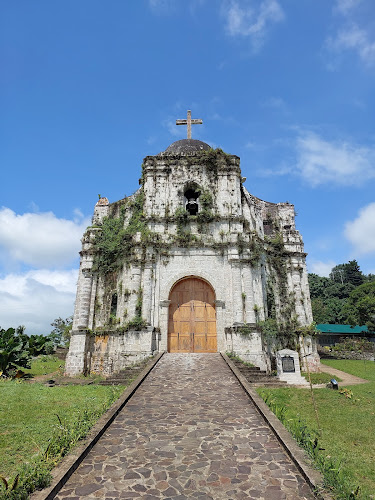
St. John the Baptist Parish Church, or simply Bato Church to many, stands at the heart of Bato town in Catanduanes—a place that quietly commands awe, even from those who stray in from other corners of the Philippines. Built from coral stones and solid river rocks—try running your hand across its rugged old walls, and you’ll feel history beneath your fingertips—it’s a site that makes you pause. Not many churches on Catanduanes Island have this kind of compelling, weather-beaten charm. Sure, the province has plenty of postcards to its name: beaches, mountains, waterfalls. But Bato Church? That’s a real, breathing witness to centuries past—Spanish friars, local artisans, typhoons and earthquakes. All left their marks, sometimes chipping at the stones, sometimes simply shaping the lives inside.
This isn’t just a Catholic church or an architecture stop for a few snappy photos. There’s a pulse in the air when you step into its courtyards or under the ribbed arc of its nave. The main structure—a true Spanish colonial legacy dating back to the late 1800s—gives off that mix of grandeur and humility. No, it’s not Manila’s San Agustin, and it doesn’t try to be. It feels more lived-in. The centuries-old Bato Church has been a gathering spot, a shelter in storms (literally and metaphorically), and a reliable part of the community’s fabric. It takes you beyond surface-level sightseeing. Here, every mossy stone has a story.
And let’s be practical: sometimes, when you travel, you search for more than just beauty or Instagrammable angles. You want to experience a spot that’s managed to keep its soul despite the years. That’s what brings travelers back to St. John the Baptist Parish Church—and why locals still view it as a pillar of their cultural and spiritual life. You don’t have to be Catholic, or even religious, to be moved by what you find here. The architecture is remarkable, but it’s the people and their centuries-old rituals that really make this place come alive. Maybe you’ll visit during a regular weekday and find parishioners in silent prayer, or maybe you’ll catch a vibrant town fiesta, when the church overflows with energy and color.
While the church is proudly a part of the Diocese of Virac now, it has stood long before modern developments and remained relevant—stubbornly, sometimes—in the face of changing times. A quick wander around will show you its lovely restored interiors, modern amenities like accessible entrances and restrooms, and—if you linger long enough—a glimpse into a rhythm of island life you simply won’t pick up in any city. In a province filled with natural wonders, this heritage site is one of Catanduanes’ most enduring cultural landmarks.
Key Features
- Historic Architecture: Distinctive Spanish colonial-era construction, with its original stone church design largely intact—right down to the grand facade, bell tower, and thick stone walls made from coral stones and river rocks. Parts of the structure have survived for well over a century even through typhoons, quakes, and the wear of time.
- Cultural Heritage: Recognized as one of the oldest churches in the province of Catanduanes and a landmark of the region’s Catholic history. Locals still conduct traditional rites and annual feasts, making it a living slice of cultural heritage, not just a museum piece.
- Spiritual Significance: The principal parish church for the town’s Catholic community—scene of yearly processions, baptisms, and other milestones. Even if you’re just observing, there’s something captivating about the local faith in action, especially during the feast of St. John the Baptist every June 24th.
- Striking Location: Set near the banks of the Bato River, with views of both the water and the lush hills of Catanduanes Island as your backdrop. You’ll find a calming atmosphere here that’s a relief from city clamor—it’s got a kind of gravitas only river towns can offer.
- Accessibility: Wheelchair-accessible entrance provided, so it’s easy for travelers of all abilities to explore the main church precincts. Modern, clean restrooms are available to visitors—no small thing, believe me, if you’ve traveled a bunch around provincial Philippines!
- Restorations & Artifacts: While the church has undergone preservation work, it’s managed to keep much of its original character. There are religious relics and artifacts worth pausing over, some of which you’ll spot in the main nave or sacristy if you ask nicely for a quick tour.
- Atmosphere: Open, peaceful grounds for reflection, shaded by old trees. The main plaza often serves as a relaxed meeting point for locals and guests—from elderly parishioners catching up after Mass to curious travelers eager to swap stories about island journeys.
Best Time to Visit
Honestly? There’s rarely a bad season to swing by the St. John the Baptist Parish Church. That said, if you’re keen on seeing the church and the local community at their liveliest, time your trip around June 24. That’s the feast day of St. John the Baptist—a celebration that transforms the atmosphere from quietly reverent to downright festive. Expect parades, music, food, and a palpable sense of belonging, even if you’re not from here. I’ve witnessed this myself as an outsider, and let me tell you: it’s hard not to feel swept up by the energy.
For travelers who prefer contemplative, uncrowded visits (I get you—sometimes the best moments are the quiet ones), aim for weekday mornings or late afternoons. The light filtering through the windows is gorgeous, the grounds are peaceful, and you might get to chat with friendly locals or take photos without folks accidentally photobombing in the background. Keep in mind, Catanduanes sits right along the typhoon belt—so if you’re not a fan of heavy rain, skip the monsoon season (roughly July to October). The “Amihan” dry months—December through May—are usually sunny, with pleasant breezes, making them perfect for exploring the island’s attractions, including Bato Church. Plenty of tourists plan their route alongside the weather for just this reason.
How to Get There
Here’s where some travelers trip up—getting to Catanduanes is part of the fun, but it takes a bit of planning. The island is about as far off the mainstream Philippine tourist circuit as you can get, and I honestly think that’s much of its charm. The usual route goes like this:
- By Air: Take a direct flight from Manila to Virac, the capital city of Catanduanes. Ops, tickets can run out quickly during peak fiesta season, so book in advance if you’re eyeing June or summer holidays.
- By Land and Sea: If you’re already traveling in Bicol (Legazpi/Tabaco), catch a ferry from Tabaco Port to San Andres Port (Catanduanes). From there, it’s a land trip by jeepney or van to Bato town—honestly, these island road trips are part of what makes Philippine travel memorable (a little bumpy, a little noisy, entirely authentic).
- From Virac: Once in Virac, you can hop on a tricycle, rent a motorcycle, or hail a local van/bus bound for Bato. It’s about 25-30 minutes land travel, and the roads are lined with coconut groves and small riverside villages—feel free to let the wind whip through your hair, island-style.
Bato Church sits right along the main street of Bato. You don’t need a map or GPS—just ask anyone in town, and they’ll point you, no fuss. Travelers sometimes say that local directions are half the adventure, and I agree. The journey’s as much part of the experience as the destination here.
Tips for Visiting
- Respect Local Customs: This might sound basic, but remember: Bato Church is first and foremost a place of worship. Dress modestly (shoulders covered, no shorts if you can help it), especially if there’s Mass or a ceremony ongoing. Locals are usually warm and welcoming, but a little courtesy goes a long way here.
- Photo Etiquette: You’ll want to snap plenty of photos, and you should! But always ask if it’s okay to take shots during services or of worshippers. The architecture, interiors, and weathered stones are all stunning subjects—just be mindful of the ambience.
- Engage and Ask: If you spot church caretakers or parishioners hanging around, don’t hesitate to ask about the church’s history or any special features you might miss. Most folks are happy to tell you stories about the church’s past—stories that don’t show up in guidebooks or glossy travel sites.
- Check the Weather: Catanduanes is beautiful, but it’s also famous for unexpected downpours! Bring a lightweight umbrella or raincoat, and waterproof your gear if you’re bringing along cameras and gadgets. Trust me, you’ll thank yourself later.
- Accessibility and Essentials: The church offers a wheelchair-accessible entrance and has a restroom available. For travelers with special needs (or just those with kids after a long trip), this is a blessing. If you need more specific access, it’s fine to ask parish staff for assistance.
- Support Local Vendors: Just outside the gates, you’ll often find small stalls or vendors selling local snacks and souvenirs. Grab a bite—maybe some “kinunot” or “pili” sweets—and support the community. After all, a little local flavor is part of what sets a trip apart.
- Plan Your Route: There’s more to see around Bato than the church—combine your visit with a trip to the Bato River or nearby heritage houses if you’ve got more time. It’s worth making a half-day or full-day of it, especially if you want to soak in the small-town atmosphere at your own pace.
- Safety First: Like anywhere, keep an eye on your belongings, and go with your gut if something feels off (though, honestly, I’ve always felt pretty safe in Bato—it’s got that tight-knit community vibe).
Whether you’re a fan of old architecture, exploring for spiritual reasons, or just ticking off the island’s most significant cultural sites, St. John the Baptist Parish Church in Bato won’t disappoint. Stunningly weathered, deeply rooted, eternally welcoming—somehow, this place manages to be both grand and comforting. A must for your Catanduanes travel itinerary. If you’ve seen it for yourself, you know exactly what I mean. And if you haven’t yet—what are you waiting for?
You Might Also Like
100 Baloy Long Beach Rd
11th World Scout Jamboree Memorial Rotonda
3 Springs Mountain Park
Tours & Activities
GetYourGuide provides this tour inventory. We may earn a commission if you book through it; verify current availability, prices, and terms with the provider.
Visitor Reviews
There are no reviews yet. Be the first one to write one.
Share Your Experience
Have you visited St. John the Baptist Parish Church – Libod, Bato, Catanduanes (Diocese of Virac)? Help other travelers by leaving a review.