Description
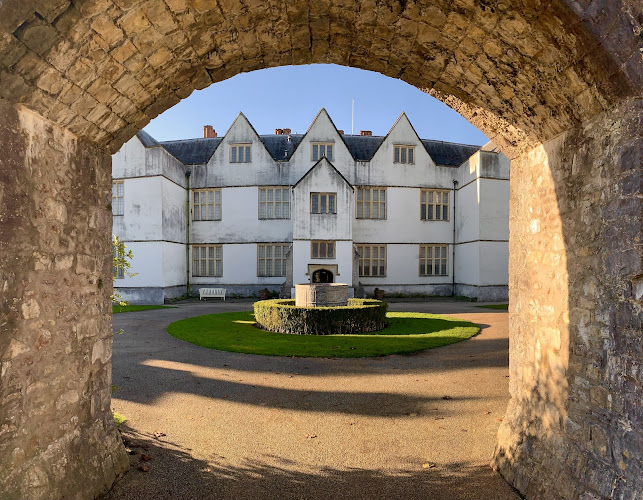
The museum focuses on everyday Welsh life, not kings and castles (though there are plenty of those elsewhere in Wales). Instead, it’s about farms, chapels, schools, workshops, and homes. More than forty historic buildings from across Wales have been carefully dismantled and rebuilt here, stone by stone, beam by beam. And yes, it sounds a bit mad when you first hear it. But once you’re standing inside a 16th-century farmhouse that used to sit miles away, it suddenly makes perfect sense.
What really sets St. Fagans apart is the pace. This is not a museum you rush through in an hour. People arrive thinking they’ll “just have a look” and then realize half the day has vanished. That happens because the place encourages wandering. Paths curve off unexpectedly, fields open up, gardens bloom or lie dormant depending on the season. And then there are the costumed craftspeople, quietly doing their thing. No flashing signs, no forced cheerfulness. Just a weaver working a loom, a blacksmith shaping metal, a baker talking about bread like it’s a lifelong companion.
Free entry also changes the mood. There’s no mental pressure to “get your money’s worth,” which makes visitors more relaxed, more curious. Families linger. Solo travelers sit on benches and watch sheep in the distance. School groups scatter like startled birds and then regroup near the old schoolhouse. The museum manages to feel both national in importance and oddly personal, like it belongs to the people wandering through it that day.
It’s worth saying that St. Fagans doesn’t pretend to be perfect. Some buildings are closed for conservation from time to time. The weather, being Welsh, does whatever it wants. But those small frustrations are part of the honesty of the place. Life in the past wasn’t curated either. And honestly, that realism is refreshing.
Best Time to Visit
The museum is open year-round, but the experience shifts dramatically with the seasons. Late spring through early autumn is when St. Fagans really stretches its legs. Gardens are in full growth, animals are out, and more live demonstrations tend to be running. Summer brings longer days and a relaxed, picnic-friendly atmosphere. But it also brings crowds, especially during school holidays. And while the site is large enough to absorb people, some of the smaller buildings can feel busy.
Autumn is a personal favorite of mine. The colors in the trees around the historic buildings are ridiculous in the best way. There’s a smell of damp leaves and wood smoke that somehow fits the place perfectly. Fewer visitors mean you can linger longer inside buildings and actually chat with the staff without feeling like you’re blocking the doorway. Plus, autumn events often lean into harvest traditions, which feel authentic here, not staged.
Winter is quieter and more contemplative. Not everything will be open, and some paths can be muddy, but there’s something special about stepping into a warm farmhouse when it’s cold outside. If you don’t mind wrapping up and adjusting expectations, winter visits feel almost private. And yes, it rains. Sometimes sideways. But that’s Wales. Bring a coat and you’ll be fine.
Weekdays are calmer than weekends, especially outside school holidays. Early mornings are peaceful, with mist hanging low over the fields. Late afternoons can also be lovely, though checking closing times matters since the site is large and walking back from the far end takes longer than you think.
How to Get There
St. Fagans is easy to reach from Cardiff, which is one of the reasons it’s so popular with both tourists and locals. Many visitors combine it with a city stay, using it as a half-day or full-day escape from urban sightseeing. Public transport options are straightforward, with buses running regularly from central Cardiff. It’s one of those journeys where you watch the scenery gradually soften, buildings giving way to green space.
Driving is also simple, and there’s dedicated parking on site. For those exploring Wales by car, St. Fagans works well as a first or last stop, easing you into the country’s history before heading deeper into rural areas. Cyclists sometimes include it on longer routes around Cardiff, though the final stretch requires a bit of confidence with traffic.
Once you arrive, everything is on foot. There’s no internal transport, and that’s intentional. The walking is part of the experience. Comfortable shoes are not optional unless you enjoy regretting things halfway through the visit.
Tips for Visiting
First tip, and I say this from experience: don’t underestimate the size of the place. It looks manageable on a map, but those paths add up. Plan for at least three hours, and a full day if you like reading signs, talking to staff, or wandering off just to see what’s around the next bend.
Second, check what’s happening on the day you go. Live demonstrations and performances vary, and they’re one of the highlights. There’s something grounding about watching someone practice a craft that hasn’t changed much in hundreds of years. It’s not flashy, but it sticks with you.
Food-wise, the onsite restaurant is solid and convenient, especially if the weather turns. But on dry days, bringing a picnic is a great option. There are plenty of spots where you can sit, eat, and watch the world go by. Just keep an eye out for opportunistic birds who have clearly learned a thing or two about tourists.
If you’re visiting with kids, let them roam a bit. The museum is good for children because it doesn’t demand constant quiet or stillness. Old schoolrooms, farmyards, and wide-open spaces help burn off energy. And for adults traveling without kids, don’t worry. The site never feels childish. It feels human.
Accessibility is handled thoughtfully, with step-free access to many areas and clear paths, though some historic buildings have unavoidable limitations. Staff are usually happy to suggest the best routes if mobility is a concern.
And finally, slow down. This isn’t a checklist museum. You don’t need to see every building to “do it right.” Pick a few areas that interest you and let the rest unfold naturally. Sit on a bench. Listen to the wind. Watch someone bake bread the old way. St. Fagans rewards patience more than efficiency.
Travelers often arrive expecting a history lesson and leave with something quieter but deeper. A sense of continuity, maybe. Or just the memory of a place where the past wasn’t sealed off, but allowed to breathe. That’s rare. And it’s why St. Fagans National Museum of History stays with people long after they’ve wiped the mud from their shoes.