Hindu temple Davanagere, IndiaCommunity Guide

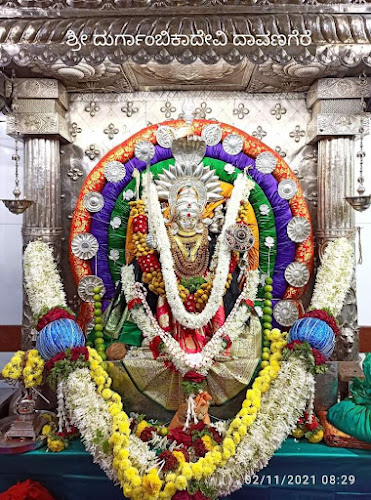
Sri Durgambika Devi Temple || Davanagere

CVQW+PMG, Shamanur, Davanagere, Karnataka 577004, India

Sri Durgambika Devi Temple || Davanagere
1,416 Photos

About & Overview

Description

Perched in the heart of Davanagere, Sri Durgambika Devi Temple is a living testament to local faith and community tradition. Believed to have originated around a sacred stone brought from Dugatti roughly two centuries ago, the present temple took shape in the early 20th century and has since become the city’s focal point for Durga worship. The compact but vibrant complex is characterized by lively daily pujas, colorful decorations during festivals and an approachable atmosphere that invites both pilgrims and curious travelers. What makes this temple special is its blend of intimate neighbourhood devotion and large-scale celebrations — particularly the once-in-two-years Jatre (festival) that transforms nearby streets with processions, music and stalls. Visitors should come to observe traditional rituals, photograph the local devotional art and taste regional prasadam offered at the shrine. Its location in Davanagere makes it easy to combine a spiritual stop with visits to nearby lakes, hills and other temples, offering a concise cultural immersion in Karnataka’s heartland.

Highlights & Key Features

  • Deity: Goddess Durgambika worshipped from a historic sacred stone
  • Historic origins: stone brought from Dugatti ~200 years ago and temple established in early 20th century
  • Major biennial Jatre (festival) with 10-day celebrations during March–April
  • Active daily puja schedule and community-centric worship
  • Central city location — easy to reach from Davanagere transport hubs

Visitor Guide & Information

Description

The Sri Durgambika Devi Temple stands as one of Davanagere’s most significant spiritual landmarks, drawing devotees and curious travelers from across Karnataka and beyond. This Hindu temple dedicated to Goddess Durgambika offers visitors a genuine glimpse into the religious fervor that pulses through this industrial city’s heart. Unlike some of the more commercialized pilgrimage sites you might encounter elsewhere, this temple maintains an authentic atmosphere where spirituality genuinely takes center stage.

Walking through the temple premises, one can’t help but notice the palpable devotion that fills the air. The goddess here is believed to be a powerful manifestation of Shakti, and locals will tell you countless stories about answered prayers and blessings received. And honestly, whether you’re a believer or simply someone interested in cultural experiences, the energy here is something you’ll definitely feel.

The temple sees a steady stream of visitors throughout the year, though it never quite reaches the overwhelming crowds you might find at some of India’s mega-temples. This works in your favor because you actually get time to absorb the atmosphere, observe the rituals, and maybe even have a moment of quiet contemplation. The priests here are generally approachable, and if you catch them during a less busy time, they might share fascinating details about the temple’s history and the various pujas performed here.

What makes this temple particularly interesting for travelers is its role in the daily life of Davanagere’s residents. It’s not just a tourist spot – it’s a living, breathing place of worship where you’ll see families bringing their newborns for blessings, students praying before exams, and elderly devotees making their regular visits. This authentic slice of local religious life offers something far more meaningful than just taking photos and moving on.

Key Features

The temple complex presents several noteworthy aspects that enhance the visitor experience:

  • Main Sanctum Design: The garbhagriha houses the primary deity in a traditional setup that follows ancient architectural principles, creating an intimate space for worship and reflection.
  • Daily Ritual Schedule: Multiple pujas and aartis occur throughout the day, with the morning and evening ceremonies being particularly elaborate and worth attending if you want to witness authentic temple traditions.
  • Festival Celebrations: During Navaratri, the temple transforms completely with special decorations, extended worship hours, and cultural programs that showcase the region’s devotional arts.
  • Prasadam Distribution: The temple maintains a system for distributing blessed food to devotees, and the quality of offerings here has earned quite a reputation among regular visitors.
  • Accessible Layout: Unlike some ancient temples with steep stairs and difficult terrain, this temple features a reasonably accessible design that accommodates elderly visitors and those with mobility considerations.
  • Meditation Spaces: Quieter corners within the complex allow for personal reflection, something increasingly rare in busier pilgrimage destinations.
  • Local Community Hub: The temple serves as a gathering point for various religious and cultural activities, making it an excellent place to observe authentic community interactions.

Best Time to Visit

Planning your visit to Sri Durgambika Devi Temple requires considering both weather patterns and religious calendar events. Davanagere experiences typical Karnataka climate conditions, and timing your trip correctly can significantly enhance your experience.

The winter months from October through February offer the most comfortable visiting conditions. Temperatures during this period hover in a pleasant range, making it easier to spend time walking around the temple complex and exploring the surrounding area. You won’t be dealing with the intense heat that can make outdoor activities quite challenging during other times of the year.

But here’s the thing about timing – if you really want to experience the temple at its most alive, plan your visit during Navaratri, which typically falls in September or October. Those nine nights dedicated to the goddess bring out the absolute best in terms of celebrations, decorations, and spiritual energy. The temple stays open longer, special pujas are conducted, and you’ll witness devotional performances that aren’t part of the regular schedule. Just be prepared for larger crowds during this period.

Friday holds special significance for Goddess worship in Hindu tradition, and you’ll notice increased footfall at the temple on these days. Some travelers specifically choose Fridays for their visit to experience this heightened devotional atmosphere. Early morning visits, particularly around sunrise, offer a serene experience when the temple just opens and the day’s first prayers begin.

Avoid visiting during the peak afternoon hours between 1 PM and 3 PM, especially in summer months (March through May). The heat can be brutal, and this timing often coincides with reduced temple activities anyway. Monsoon season from June through September brings relief from heat but also occasional heavy downpours that might disrupt your plans.

If you’re photographing or simply want to appreciate the temple’s architecture in good light, the golden hours just after dawn or before sunset provide beautiful natural lighting. And personally, there’s something special about evening aarti that makes it my preferred visiting time – the lamps, the chanting, the collective energy of devotees all come together in a way that’s quite moving.

How to Get There

Reaching Sri Durgambika Devi Temple is relatively straightforward given Davanagere’s well-connected position within Karnataka’s transportation network. The city serves as an important junction, which works greatly in favor of travelers planning a visit.

If you’re flying in, the nearest airport is Mangalore International Airport, approximately 250 kilometers away. Alternatively, Kempegowda International Airport in Bengaluru sits about 260 kilometers distant. Most travelers find the Bengaluru route more convenient given better flight connections and road infrastructure. From either airport, you’ll need to arrange ground transportation – hiring a taxi or using intercity bus services are your main options.

Railway connectivity proves more convenient for reaching Davanagere. The Davanagere Railway Station connects to major cities across Karnataka and neighboring states. Regular trains from Bengaluru, Mysuru, Hubli, and other significant cities make rail travel a practical choice. Once you arrive at the station, the temple is accessible via local transportation – auto-rickshaws, city buses, and ride-hailing services all operate in the area.

Road travel offers the most flexibility, especially if you’re exploring multiple destinations in Karnataka. Davanagere sits along National Highway 48, placing it on the route between Bengaluru and Pune. State-run KSRTC buses operate frequent services connecting Davanagere to various cities. Private bus operators also run regular services, particularly on popular routes.

Within Davanagere city itself, locals can guide you to the temple easily as it’s a well-known landmark. Auto-rickshaw drivers will know the location, though it’s always wise to have the temple name written in Kannada on your phone to avoid any communication confusion. Ride-hailing apps function reasonably well in Davanagere’s main areas, providing another transportation option.

For those driving themselves, parking facilities exist near the temple, though spaces can fill up during peak visiting hours and festival times. The surrounding streets are navigable, but typical Indian city traffic patterns apply – patience and defensive driving are your friends here.

Tips for Visiting

Making the most of your Sri Durgambika Devi Temple visit involves some practical preparation and cultural awareness. These insights come from both personal experience and observations of what helps travelers have more meaningful temple visits.

Dress modestly and appropriately for a Hindu temple setting. This means covering your shoulders and knees at minimum. While the temple doesn’t enforce a strict dress code like some larger pilgrimage sites, showing respect through your clothing choices demonstrates cultural sensitivity. Remove your footwear before entering the main temple area – designated shoe storage areas are available, though keeping an eye on your belongings is always smart.

Arrive with an empty stomach if you want to receive prasadam, as many devotees prefer accepting blessed food in a state of relative purity. Carry a small cloth or handkerchief for wiping your feet after walking barefoot in the temple complex. And here’s something many guidebooks won’t tell you – bringing a small amount of offering (flowers, coconuts, or a monetary donation) is appreciated and aligns with temple customs, though it’s never mandatory.

Photography policies vary in different temple areas. Generally, taking photos in the main sanctum isn’t permitted, but outer areas might allow it. Always ask permission before photographing, and never photograph priests or devotees in prayer without explicit consent. Some travelers get so caught up in capturing content for social media that they forget to actually experience the place – don’t be that person.

Learn a few basic Kannada phrases before visiting. “Namaskara” (hello), “Dhanyavada” (thank you), and knowing how to respectfully address temple priests shows effort and usually receives warm responses. Most temple staff understand some Hindi and English, but attempting local language creates better connections.

Time your visit around the aarti schedule if you want to witness the temple’s ceremonial highlights. Morning aarti typically happens early (around 6-7 AM), while evening aarti occurs closer to sunset. These ceremonies showcase the temple’s spiritual practices most beautifully.

Keep your belongings secure and minimal. Large bags aren’t necessary and just become cumbersome when you’re moving through temple spaces. A small crossbody bag for essentials (phone, wallet, water bottle) works best.

Stay hydrated, especially if visiting during warmer months. Water is usually available near temples, but carrying your own bottle ensures you’re never caught unprepared. The surrounding area has small shops where you can purchase refreshments before or after your temple visit.

Respect the temple’s quiet zones and meditation spaces. Some devotees come seeking peace and solitude in their prayers, and loud conversations or disruptive behavior disrupts that atmosphere. If traveling with children, prepare them beforehand about appropriate temple behavior.

Consider visiting during weekdays if you prefer a quieter experience. Weekends and festival days bring larger crowds, which adds energy but reduces your ability to explore at a relaxed pace. There’s no right or wrong choice here – it depends entirely on what kind of experience you’re seeking.

Finally, approach your visit with openness and respect. This temple isn’t primarily a tourist attraction – it’s a active place of worship with deep significance for the local community. Whether you’re religiously inclined or simply culturally curious, maintaining that respectful mindset ensures a more rewarding experience for everyone involved.

Community & Insider Notes

Last modified August 17, 2026

Description

The Sri Durgambika Devi Temple stands as one of Davanagere’s most significant spiritual landmarks, drawing devotees and curious travelers from across Karnataka and beyond. This Hindu temple dedicated to Goddess Durgambika offers visitors a genuine glimpse into the religious fervor that pulses through this industrial city’s heart. Unlike some of the more commercialized pilgrimage sites you might encounter elsewhere, this temple maintains an authentic atmosphere where spirituality genuinely takes center stage.

Walking through the temple premises, one can’t help but notice the palpable devotion that fills the air. The goddess here is believed to be a powerful manifestation of Shakti, and locals will tell you countless stories about answered prayers and blessings received. And honestly, whether you’re a believer or simply someone interested in cultural experiences, the energy here is something you’ll definitely feel.

The temple sees a steady stream of visitors throughout the year, though it never quite reaches the overwhelming crowds you might find at some of India’s mega-temples. This works in your favor because you actually get time to absorb the atmosphere, observe the rituals, and maybe even have a moment of quiet contemplation. The priests here are generally approachable, and if you catch them during a less busy time, they might share fascinating details about the temple’s history and the various pujas performed here.

What makes this temple particularly interesting for travelers is its role in the daily life of Davanagere’s residents. It’s not just a tourist spot – it’s a living, breathing place of worship where you’ll see families bringing their newborns for blessings, students praying before exams, and elderly devotees making their regular visits. This authentic slice of local religious life offers something far more meaningful than just taking photos and moving on.

Key Features

The temple complex presents several noteworthy aspects that enhance the visitor experience:

  • Main Sanctum Design: The garbhagriha houses the primary deity in a traditional setup that follows ancient architectural principles, creating an intimate space for worship and reflection.
  • Daily Ritual Schedule: Multiple pujas and aartis occur throughout the day, with the morning and evening ceremonies being particularly elaborate and worth attending if you want to witness authentic temple traditions.
  • Festival Celebrations: During Navaratri, the temple transforms completely with special decorations, extended worship hours, and cultural programs that showcase the region’s devotional arts.
  • Prasadam Distribution: The temple maintains a system for distributing blessed food to devotees, and the quality of offerings here has earned quite a reputation among regular visitors.
  • Accessible Layout: Unlike some ancient temples with steep stairs and difficult terrain, this temple features a reasonably accessible design that accommodates elderly visitors and those with mobility considerations.
  • Meditation Spaces: Quieter corners within the complex allow for personal reflection, something increasingly rare in busier pilgrimage destinations.
  • Local Community Hub: The temple serves as a gathering point for various religious and cultural activities, making it an excellent place to observe authentic community interactions.

Best Time to Visit

Planning your visit to Sri Durgambika Devi Temple requires considering both weather patterns and religious calendar events. Davanagere experiences typical Karnataka climate conditions, and timing your trip correctly can significantly enhance your experience.

The winter months from October through February offer the most comfortable visiting conditions. Temperatures during this period hover in a pleasant range, making it easier to spend time walking around the temple complex and exploring the surrounding area. You won’t be dealing with the intense heat that can make outdoor activities quite challenging during other times of the year.

But here’s the thing about timing – if you really want to experience the temple at its most alive, plan your visit during Navaratri, which typically falls in September or October. Those nine nights dedicated to the goddess bring out the absolute best in terms of celebrations, decorations, and spiritual energy. The temple stays open longer, special pujas are conducted, and you’ll witness devotional performances that aren’t part of the regular schedule. Just be prepared for larger crowds during this period.

Friday holds special significance for Goddess worship in Hindu tradition, and you’ll notice increased footfall at the temple on these days. Some travelers specifically choose Fridays for their visit to experience this heightened devotional atmosphere. Early morning visits, particularly around sunrise, offer a serene experience when the temple just opens and the day’s first prayers begin.

Avoid visiting during the peak afternoon hours between 1 PM and 3 PM, especially in summer months (March through May). The heat can be brutal, and this timing often coincides with reduced temple activities anyway. Monsoon season from June through September brings relief from heat but also occasional heavy downpours that might disrupt your plans.

If you’re photographing or simply want to appreciate the temple’s architecture in good light, the golden hours just after dawn or before sunset provide beautiful natural lighting. And personally, there’s something special about evening aarti that makes it my preferred visiting time – the lamps, the chanting, the collective energy of devotees all come together in a way that’s quite moving.

How to Get There

Reaching Sri Durgambika Devi Temple is relatively straightforward given Davanagere’s well-connected position within Karnataka’s transportation network. The city serves as an important junction, which works greatly in favor of travelers planning a visit.

If you’re flying in, the nearest airport is Mangalore International Airport, approximately 250 kilometers away. Alternatively, Kempegowda International Airport in Bengaluru sits about 260 kilometers distant. Most travelers find the Bengaluru route more convenient given better flight connections and road infrastructure. From either airport, you’ll need to arrange ground transportation – hiring a taxi or using intercity bus services are your main options.

Railway connectivity proves more convenient for reaching Davanagere. The Davanagere Railway Station connects to major cities across Karnataka and neighboring states. Regular trains from Bengaluru, Mysuru, Hubli, and other significant cities make rail travel a practical choice. Once you arrive at the station, the temple is accessible via local transportation – auto-rickshaws, city buses, and ride-hailing services all operate in the area.

Road travel offers the most flexibility, especially if you’re exploring multiple destinations in Karnataka. Davanagere sits along National Highway 48, placing it on the route between Bengaluru and Pune. State-run KSRTC buses operate frequent services connecting Davanagere to various cities. Private bus operators also run regular services, particularly on popular routes.

Within Davanagere city itself, locals can guide you to the temple easily as it’s a well-known landmark. Auto-rickshaw drivers will know the location, though it’s always wise to have the temple name written in Kannada on your phone to avoid any communication confusion. Ride-hailing apps function reasonably well in Davanagere’s main areas, providing another transportation option.

For those driving themselves, parking facilities exist near the temple, though spaces can fill up during peak visiting hours and festival times. The surrounding streets are navigable, but typical Indian city traffic patterns apply – patience and defensive driving are your friends here.

Tips for Visiting

Making the most of your Sri Durgambika Devi Temple visit involves some practical preparation and cultural awareness. These insights come from both personal experience and observations of what helps travelers have more meaningful temple visits.

Dress modestly and appropriately for a Hindu temple setting. This means covering your shoulders and knees at minimum. While the temple doesn’t enforce a strict dress code like some larger pilgrimage sites, showing respect through your clothing choices demonstrates cultural sensitivity. Remove your footwear before entering the main temple area – designated shoe storage areas are available, though keeping an eye on your belongings is always smart.

Arrive with an empty stomach if you want to receive prasadam, as many devotees prefer accepting blessed food in a state of relative purity. Carry a small cloth or handkerchief for wiping your feet after walking barefoot in the temple complex. And here’s something many guidebooks won’t tell you – bringing a small amount of offering (flowers, coconuts, or a monetary donation) is appreciated and aligns with temple customs, though it’s never mandatory.

Photography policies vary in different temple areas. Generally, taking photos in the main sanctum isn’t permitted, but outer areas might allow it. Always ask permission before photographing, and never photograph priests or devotees in prayer without explicit consent. Some travelers get so caught up in capturing content for social media that they forget to actually experience the place – don’t be that person.

Learn a few basic Kannada phrases before visiting. “Namaskara” (hello), “Dhanyavada” (thank you), and knowing how to respectfully address temple priests shows effort and usually receives warm responses. Most temple staff understand some Hindi and English, but attempting local language creates better connections.

Time your visit around the aarti schedule if you want to witness the temple’s ceremonial highlights. Morning aarti typically happens early (around 6-7 AM), while evening aarti occurs closer to sunset. These ceremonies showcase the temple’s spiritual practices most beautifully.

Keep your belongings secure and minimal. Large bags aren’t necessary and just become cumbersome when you’re moving through temple spaces. A small crossbody bag for essentials (phone, wallet, water bottle) works best.

Stay hydrated, especially if visiting during warmer months. Water is usually available near temples, but carrying your own bottle ensures you’re never caught unprepared. The surrounding area has small shops where you can purchase refreshments before or after your temple visit.

Respect the temple’s quiet zones and meditation spaces. Some devotees come seeking peace and solitude in their prayers, and loud conversations or disruptive behavior disrupts that atmosphere. If traveling with children, prepare them beforehand about appropriate temple behavior.

Consider visiting during weekdays if you prefer a quieter experience. Weekends and festival days bring larger crowds, which adds energy but reduces your ability to explore at a relaxed pace. There’s no right or wrong choice here – it depends entirely on what kind of experience you’re seeking.

Finally, approach your visit with openness and respect. This temple isn’t primarily a tourist attraction – it’s a active place of worship with deep significance for the local community. Whether you’re religiously inclined or simply culturally curious, maintaining that respectful mindset ensures a more rewarding experience for everyone involved.

Key Highlights

  • Deity: Goddess Durgambika worshipped from a historic sacred stone
  • Historic origins: stone brought from Dugatti ~200 years ago and temple established in early 20th century
  • Major biennial Jatre (festival) with 10-day celebrations during March–April
  • Active daily puja schedule and community-centric worship
  • Central city location — easy to reach from Davanagere transport hubs

Location

Places to Stay Near Sri Durgambika Devi Temple || Davanagere

Find and Book a Tour

Explore More Travel Guides

No reviews found! Be the first to review!

Select a Rating5 Stars4 Stars3 Stars2 Stars1 Star

Sri Durgambika Devi Temple || Davanagere is a prominent Hindu temple located in Davanagere.

Visit us at: CVQW+PMG, Shamanur, Davanagere, Karnataka 577004, India.

Nearby Attractions (Within 5 km)

Explore verified points of interest within walking or short transit distance.

No neighboring places mapped within 5 km yet.

Find Places to Stay Nearby

Stay22 provides this accommodation search. We may earn a commission if you book through it; verify current prices and terms with the provider.

Recommended Experiences & Activities

GetYourGuide provides this tour inventory. We may earn a commission if you book through it; verify current availability, prices, and terms with the provider.

Top Viator Experiences & Guided Tours in Davanagere

We may earn a commission if you book through links on this page at no extra cost to you. All tours feature verified customer reviews and flexible cancellation options.

Traveler Reviews & Community Q&A

No traveler reviews yet. Share your experience below!

No traveler questions yet. Be the first to ask a local!

Real Journey Travels Community

Reset your password · Create an account