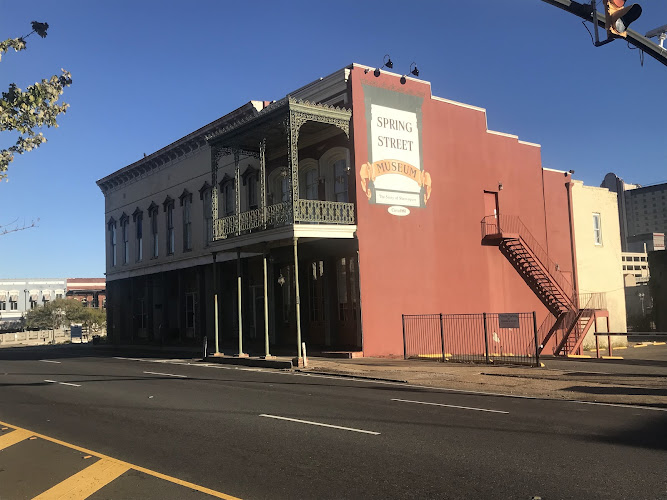
Housed in what used to be a first national bank, the museum leverages the very bones of the structure — iron vault doors, high-ceilinged banking halls and second-floor rooms — to present artifacts that trace the city from its early riverfront days through the oil booms, civil war echoes, and into the modern era. It feels a little like stepping into a ledger: the physical architecture records a past that the exhibits then translate into people, places and unexpected stories.
Visitors will notice right away that the building itself is an exhibit. The original bank vault is preserved as a tactile anchor for the museum; even if no one wants to get locked in there, standing next to the vault door gives a sense of the commerce and risk that shaped the town. The collection emphasizes local history — old ledgers, photographs, tools, household items, and military relics — and does so with an emphasis on interpretation rather than sheer volume. In short, it is about context: telling how this patch of Louisiana near the Red River grew into the city it is today.
The exhibit flow is intentionally approachable. The first floor retains a banking-hall atmosphere: interpretive panels explain financial life in the 19th century and highlight stories about the merchants and families who helped build downtown Shreveport. Upstairs, smaller rooms and the theater space are used for rotating displays and short films that give deeper dives into particular topics, from early industry and river trade to cultural scenes and local stories that seldom make the big history books. There is a very human quality to many items on display — a child’s toy, a handwritten letter, a black-and-white portrait — which helps visitors connect to everyday life across generations.
Accessibility is not an afterthought here. The museum provides a wheelchair accessible entrance, accessible parking and restrooms, making it realistic for many travelers to plan a visit without worrying about getting around. Families with small explorers will find the museum friendly to kids; exhibits are straightforward, and signage is usually clear and readable for people who want to engage at a slower pace. There is also a modest cafe inside, which is convenient for those who like to linger — the coffee tends to help when museum fatigue sets in, and the seating area doubles as a place for quiet reflection on what has been seen.
One of the museum’s quieter strengths is its local voice. Rather than relying solely on marquee objects, it brings local society and community memory into the foreground. Volunteers, docents, and sometimes long-time residents contribute stories that accompany displays. A docent-led anecdote about a family-owned business that survived several floods, for example, often sticks with visitors longer than a labeled artifact ever could. These small human stories give texture to larger historical facts; they make the past feel lived in, messy, and sometimes charmingly stubborn.
Practical exhibits coexist with occasional surprises. The theater offers brief historical films and presentations that are good for travelers who want an efficient but immersive primer on the area before heading out to explore downtown. Temporary exhibits rotate with some regularity and highlight niche topics — an antique musical instrument collection one month, a photographic survey of the riverfront the next. Because the museum is relatively small, rotating shows give return visitors something new and encourage exploration beyond a single pass through the main collection.
Another appealing aspect is the building’s sense of permanence. This is one of Shreveport’s older commercial structures, and the museum does a nice job of preserving original architectural features while making the interior feel welcoming. For photographers and architecture-minded travelers, the combination of period features and museum curation makes for interesting compositions: sun through old windows, the shadow of an iron gate on wooden floors, or the contrast of modern display cases with turned columns and crown molding.
There is also an educational bent that suits travelers who plan to stay in town a few days. The collection is well suited to those who want to understand how local industry, river trade, and regional politics interacted to shape the city. Interpretive text is generally concise and aimed at non-specialists, so someone who knows little about Louisiana history can leave with a clear sense of chronology and the major inflection points in the city’s story. Furthermore, the museum highlights how regional culture — foodways, music, and craftsmanship — fed into local identity. These cultural threads are especially useful for visitors planning deeper dives into regional cuisine, club scenes, or heritage sites around the city.
On the subject of size: the museum is approachable and not overwhelming. This can be a plus for busy travelers who prefer meaningful stops over marathon museum days. Yet those expecting a vast collection might be surprised at how focused the museum is. Still, concentration can be an asset; the small scale invites longer attention per artifact. If a traveler wants a compact, information-rich experience without the fatigue of very large institutions, this museum tends to satisfy.
Behind the scenes, the museum frequently collaborates with local historical societies, which helps maintain authenticity and keeps certain less-known topics illuminated. For instance, there are occasional displays that spotlight neglected narratives — the contributions of immigrant communities, overlooked entrepreneurs, and social clubs that shaped civic life. These are often the sections that local history buffs praise, and they can be real eye-openers for visitors who assumed they knew the big-picture story of Shreveport.
For those planning logistics, the site offers basic visitor amenities. The cafe and rest area make it reasonable to plan a mid-morning or mid-afternoon stop. Exhibits are organized in a way that works for families and solo travelers alike; film screenings in the theater usually run short enough to slot into a broader downtown itinerary. And although the museum does not ostentatiously tout itself as a destination for special events, the intimate theater and rooms have been used for talks, small concerts, and community gatherings, so travelers might check local listings if they’re in town for a weekend event.
One small, somewhat charming quirk: the museum’s interpretation often blends formal historical notes with conversational explanations, sometimes even a quirky aside from a local volunteer. It is a style that feels honest — not overly scripted — and for many visitors that makes the experience more memorable. It is also useful for travelers who prefer narratives over dry inventories; the museum encourages curiosity and invites questions rather than presenting everything as settled fact.
Finally, the museum pairs well with a walking exploration of downtown Shreveport. Because it is sited in an older commercial core, visitors can easily tack on nearby cafes, galleries, and riverfront views to construct a half-day of local discovery. For those who plan ahead, combining a museum visit with a riverboat or historic district stroll yields a deeper sense of place. Overall, the Spring Street Historical Museum is a worthwhile stop for travelers seeking a focused, well-curated introduction to the local history and culture of Shreveport, presented inside a genuine piece of the city’s architectural heritage.
 Real Journey Travels