
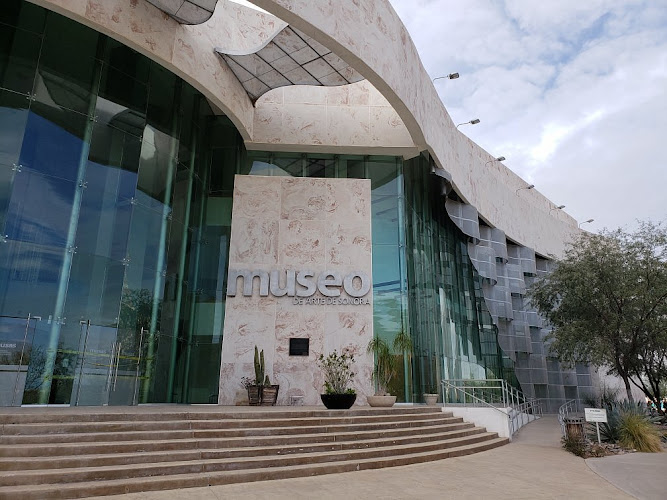
Sonora Museum of Art
About Sonora Museum of Art
Description
The Sonora Museum of Art, known locally as MUSAS, is one of those places that quietly surprises you. It’s not just a building filled with paintings and sculptures—it’s a cultural hub that feels alive with conversation between old and new, local and global. Opened in 2009 after more than a year of careful planning and construction, the museum was designed by Sonoran architects who clearly had a vision for something modern yet welcoming. The result is a sleek structure of nearly 5,000 square meters spread across four levels, with airy hallways, open patios, and a layout that feels both grand and easy to navigate.
Now, I’ll be honest. Some people walk in expecting the Louvre of the desert and leave a little underwhelmed. But others, myself included, see its strength in the way it sparks curiosity. The exhibitions rotate often, so one visit might immerse you in Mexican contemporary art while another introduces you to international installations you didn’t see coming. It’s not about overwhelming you with a massive collection—it’s about creating space for dialogue, reflection, and sometimes even a bit of debate over what art means in today’s world.
For travelers, it’s a refreshing stop in Hermosillo. The museum is air-conditioned (a blessing in Sonora’s heat), accessible for wheelchairs and strollers, and generally very kid-friendly. You won’t find an in-house café or restaurant, but the calm, spacious design makes up for it. I personally love that the building itself feels like part of the art—it’s minimalist but not cold, and the light that filters through the patios gives it a meditative vibe. If you’re the type who likes to linger and think, MUSAS gives you that room.
Key Features
- Four levels of exhibition space designed by local architects
- Rotating national and international contemporary art exhibitions
- Wide circulation areas, internal patios, and workshops
- Wheelchair accessible entrance, restrooms, and parking
- Family-friendly environment with changing tables for kids
- Quiet, air-conditioned refuge from Hermosillo’s heat
Best Time to Visit
If you’re planning a trip, timing makes a difference. Hermosillo can get brutally hot in the summer, so walking into an air-conditioned museum feels like heaven. But I’d say the cooler months—November through March—make the overall experience even better since you can comfortably explore the outdoor patios and nearby cultural spaces before or after your visit. Weekdays are generally quieter, which means you’ll have more time to soak in the art without the buzz of weekend crowds.
I once visited on a rainy afternoon in January, and honestly, it was perfect. The sound of rain tapping on the patios while I wandered through an exhibit of contemporary Mexican photography—it somehow made the whole thing feel even more cinematic. If you’re into atmosphere, that’s the kind of timing you want.
How to Get There
Reaching the museum is pretty straightforward if you’re already in Hermosillo. It’s located along one of the city’s main boulevards, so taxis and ride-hailing apps can get you there without fuss. For those who enjoy driving, parking is available and accessible, though it can fill up quickly during special events or exhibition launches. Public transport is an option too, though I’ll admit it’s not always the most convenient in Hermosillo—so if you’re short on time, stick with a car or rideshare.
If you’re staying in the central part of the city, it’s just a short drive away. What I like about its location is that it’s not far from other cultural venues, so you can easily make a day of exploring different sides of Hermosillo’s art and history scene.
Tips for Visiting
First off, don’t rush. The museum isn’t massive, but it rewards slow exploration. Give yourself at least an hour and a half to wander through the exhibitions, pause in the patios, and maybe even sit for a while just taking in the architecture.
Bring water, especially if you’re visiting in the hotter months. While the inside is cool, you’ll probably spend some time outside before or after, and trust me, Sonora’s sun doesn’t play around. If you’re traveling with kids, you’ll appreciate the family-friendly amenities like changing tables and wide hallways that make strollers easy to maneuver.
Photography is usually allowed, but always double-check the rules for each exhibit. Some artists are particular about their work being photographed. And here’s a small personal tip: if you’re the type who likes to journal or sketch, bring a notebook. I’ve found that jotting down thoughts or doodling in response to an installation makes the visit more personal and memorable.
Lastly, keep an eye out for special events. The museum occasionally hosts workshops, talks, or cultural evenings that add an extra layer to the experience. Even if you don’t understand every word in Spanish, the energy of these gatherings is contagious. It’s a reminder that MUSAS isn’t just a place to look at art—it’s a place to engage with it.
Key Features
- Four levels of exhibition space designed by local architects
- Rotating national and international contemporary art exhibitions
- Wide circulation areas, internal patios, and workshops
- Wheelchair accessible entrance, restrooms, and parking
- Family-friendly environment with changing tables for kids
- Quiet, air-conditioned refuge from Hermosillo’s heat
More Details
Updated September 30, 2025
Table of Contents
Description
The Sonora Museum of Art, known locally as MUSAS, is one of those places that quietly surprises you. It’s not just a building filled with paintings and sculptures—it’s a cultural hub that feels alive with conversation between old and new, local and global. Opened in 2009 after more than a year of careful planning and construction, the museum was designed by Sonoran architects who clearly had a vision for something modern yet welcoming. The result is a sleek structure of nearly 5,000 square meters spread across four levels, with airy hallways, open patios, and a layout that feels both grand and easy to navigate.
Now, I’ll be honest. Some people walk in expecting the Louvre of the desert and leave a little underwhelmed. But others, myself included, see its strength in the way it sparks curiosity. The exhibitions rotate often, so one visit might immerse you in Mexican contemporary art while another introduces you to international installations you didn’t see coming. It’s not about overwhelming you with a massive collection—it’s about creating space for dialogue, reflection, and sometimes even a bit of debate over what art means in today’s world.
For travelers, it’s a refreshing stop in Hermosillo. The museum is air-conditioned (a blessing in Sonora’s heat), accessible for wheelchairs and strollers, and generally very kid-friendly. You won’t find an in-house café or restaurant, but the calm, spacious design makes up for it. I personally love that the building itself feels like part of the art—it’s minimalist but not cold, and the light that filters through the patios gives it a meditative vibe. If you’re the type who likes to linger and think, MUSAS gives you that room.
Key Features
- Four levels of exhibition space designed by local architects
- Rotating national and international contemporary art exhibitions
- Wide circulation areas, internal patios, and workshops
- Wheelchair accessible entrance, restrooms, and parking
- Family-friendly environment with changing tables for kids
- Quiet, air-conditioned refuge from Hermosillo’s heat
Best Time to Visit
If you’re planning a trip, timing makes a difference. Hermosillo can get brutally hot in the summer, so walking into an air-conditioned museum feels like heaven. But I’d say the cooler months—November through March—make the overall experience even better since you can comfortably explore the outdoor patios and nearby cultural spaces before or after your visit. Weekdays are generally quieter, which means you’ll have more time to soak in the art without the buzz of weekend crowds.
I once visited on a rainy afternoon in January, and honestly, it was perfect. The sound of rain tapping on the patios while I wandered through an exhibit of contemporary Mexican photography—it somehow made the whole thing feel even more cinematic. If you’re into atmosphere, that’s the kind of timing you want.
How to Get There
Reaching the museum is pretty straightforward if you’re already in Hermosillo. It’s located along one of the city’s main boulevards, so taxis and ride-hailing apps can get you there without fuss. For those who enjoy driving, parking is available and accessible, though it can fill up quickly during special events or exhibition launches. Public transport is an option too, though I’ll admit it’s not always the most convenient in Hermosillo—so if you’re short on time, stick with a car or rideshare.
If you’re staying in the central part of the city, it’s just a short drive away. What I like about its location is that it’s not far from other cultural venues, so you can easily make a day of exploring different sides of Hermosillo’s art and history scene.
Tips for Visiting
First off, don’t rush. The museum isn’t massive, but it rewards slow exploration. Give yourself at least an hour and a half to wander through the exhibitions, pause in the patios, and maybe even sit for a while just taking in the architecture.
Bring water, especially if you’re visiting in the hotter months. While the inside is cool, you’ll probably spend some time outside before or after, and trust me, Sonora’s sun doesn’t play around. If you’re traveling with kids, you’ll appreciate the family-friendly amenities like changing tables and wide hallways that make strollers easy to maneuver.
Photography is usually allowed, but always double-check the rules for each exhibit. Some artists are particular about their work being photographed. And here’s a small personal tip: if you’re the type who likes to journal or sketch, bring a notebook. I’ve found that jotting down thoughts or doodling in response to an installation makes the visit more personal and memorable.
Lastly, keep an eye out for special events. The museum occasionally hosts workshops, talks, or cultural evenings that add an extra layer to the experience. Even if you don’t understand every word in Spanish, the energy of these gatherings is contagious. It’s a reminder that MUSAS isn’t just a place to look at art—it’s a place to engage with it.
Key Highlights
- Four levels of exhibition space designed by local architects
- Rotating national and international contemporary art exhibitions
- Wide circulation areas, internal patios, and workshops
- Wheelchair accessible entrance, restrooms, and parking
- Family-friendly environment with changing tables for kids
- Quiet, air-conditioned refuge from Hermosillo’s heat
Location
Places to Stay Near Sonora Museum of Art
Find and Book a Tour
Explore More Travel Guides
No reviews found! Be the first to review!
Traveler Reviews for Sonora Museum of Art
There are no reviews yet. Be the first one to write one.
Have you visited Sonora Museum of Art? Help other travelers by sharing your review.
You Might Also Like

Cerro El Bachoco
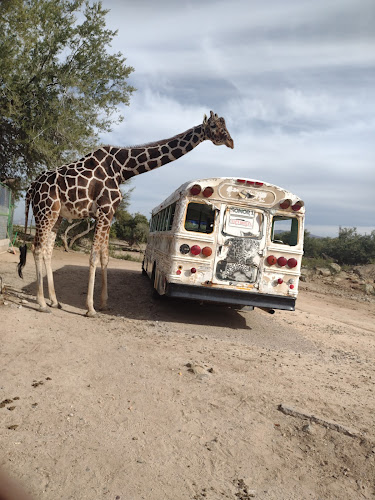
Ecological Center of Sonora
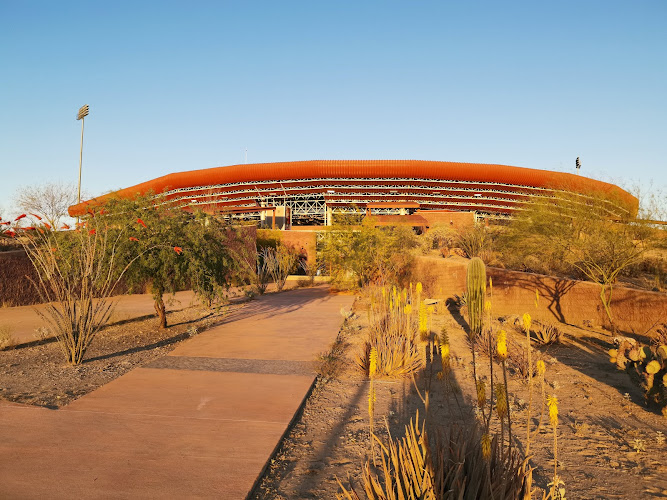
Fernando Valenzuela Stadium
Find Accommodations Nearby
Recommended Tours & Activities
Visitor Reviews
There are no reviews yet. Be the first one to write one.
Share Your Experience
Have you visited Sonora Museum of Art? Help other travelers by leaving a review.