About Soekarno’s exile house in Bengkulu

Description

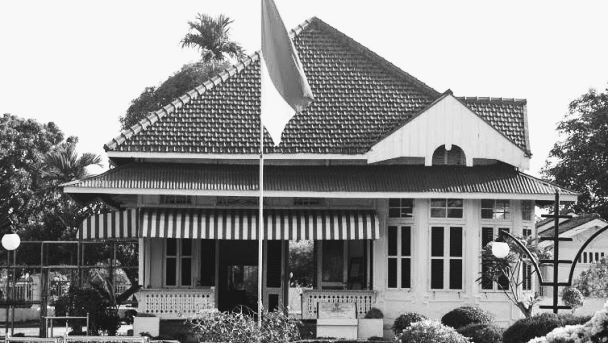
The Soekarno Exile House in Bengkulu stands as one of those historical places that quietly gets under your skin. It is not grand in size, and honestly, at first glance it can feel almost too ordinary. But that’s kind of the point. This was once the home where Indonesia’s first president, Soekarno, lived during his exile under Dutch colonial rule in the late 1930s. And walking through it, visitors begin to realize how history often happens in simple rooms with creaky floors and open windows, not just in marble halls.

The house functions today as a historical landmark and small museum, preserving personal items, photographs, furniture, and documents connected to Soekarno’s years in Bengkulu. This period of exile played a big role in shaping his political thinking and emotional resilience. And yes, it’s tied closely to the broader story of the proclamation of Indonesian independence, even though that famous declaration came later, in Jakarta, in 1945. Bengkulu was part of the long, slow buildup.

Travelers often expect something polished and high-tech. But what they get instead is something quieter, more human. The exhibits are modest. Some rooms feel a bit worn. But that imperfection somehow works. It gives the place honesty. You can almost picture Soekarno sitting at a desk, thinking, writing, probably frustrated, probably stubborn as ever. And that imagination is powerful.

The atmosphere is calm, sometimes even sleepy, especially on weekdays. School groups come through laughing and asking questions. Families wander slowly. And independent travelers, especially history buffs, tend to linger. I remember visiting a similar exile house years ago, and thinking it would be a quick stop. I stayed nearly two hours. This place has that same effect if you let it.

What makes the Soekarno Exile House in Bengkulu stand out is how it balances reverence and realism. It doesn’t over-glorify. It doesn’t hide the discomfort of exile either. That fair, balanced presentation is probably why many visitors leave feeling thoughtful rather than overwhelmed.

Key Features

  • Original structure preserved to reflect the era of Soekarno’s exile, with minimal modern alteration
  • Personal belongings of Soekarno, including furniture, books, and everyday household items
  • Historical photographs documenting his life in Bengkulu and interactions with local communities
  • Written explanations that connect this exile period to Indonesia’s broader independence movement
  • Family-friendly layout that allows children to move around freely without feeling restricted
  • Peaceful courtyard area that gives visitors a moment to sit and reflect
  • Local guides available on-site who sometimes share stories not written on the display boards

One underrated feature, in the writer’s opinion, is the silence. Museums can be noisy, over-designed. This one isn’t. And that makes it easier to imagine the emotional weight of exile. Not glamorous. Just heavy.

Best Time to Visit

The best time to visit the Soekarno Exile House in Bengkulu is during the dry season, generally from May to September. Weather during these months is more predictable, and walking around the house and its surroundings feels easier, less sticky. Bengkulu heat can be a bit relentless when the humidity spikes, so timing matters.

For daily timing, mornings are ideal. Arriving early means fewer school groups and a quieter experience. Late afternoons can also work, but sometimes staff begin preparing to close, which slightly rushes the visit. Midday, especially on weekends, tends to be the busiest.

If you’re someone who enjoys symbolic dates, visiting around Indonesia’s Independence Day in August can add emotional context. But be prepared for crowds and a more ceremonial vibe. Some travelers love that energy. Others prefer calm. Know your style.

And here’s a personal aside. I’ve always found historical places more meaningful when they’re quiet. You hear your own thoughts better. This house rewards that kind of slow travel.

How to Get There

Getting to the Soekarno Exile House in Bengkulu is fairly straightforward once you are in the city. Bengkulu itself is accessible by air from major Indonesian cities, and from there, local transportation does the job.

Within Bengkulu, travelers usually rely on taxis, ride-hailing apps, or rented motorbikes. Public transportation exists, but it can be confusing for first-time visitors and schedules aren’t always reliable. Most drivers know the location well. Mentioning Soekarno’s exile house usually gets an immediate nod.

For those who enjoy walking, staying nearby allows you to approach the site slowly, observing local life along the way. Street vendors, small shops, kids on bikes. It all adds context. And context matters when you’re visiting a historical landmark tied so closely to everyday life.

Parking is available nearby, though not especially spacious. If you’re driving, patience helps. And maybe a bit of luck.

Tips for Visiting

First, give yourself time. This isn’t a place to rush through in fifteen minutes just to tick a box. Plan at least an hour. More if you enjoy reading every panel.

Second, manage expectations. The Soekarno Exile House in Bengkulu is not a flashy museum. Some displays may feel dated. But look beyond that. Focus on the story, not the packaging.

Third, bring water and dress comfortably. The house is not fully climate-controlled, and Bengkulu weather does what it wants. Light clothing helps.

Fourth, if a local guide offers to explain things, say yes. The unofficial stories are often the most memorable. One guide once told me how locals quietly supported Soekarno during his exile, slipping food or messages when they could. Those human details stick.

Fifth, traveling with kids? Good news. The site is generally kid-friendly. Children can move around freely, and the story of a national hero overcoming hardship often sparks good questions. Just keep an eye on them around older furniture.

Accessibility is something to be aware of. The house was not designed with wheelchairs in mind, and mobility can be limited in certain areas. Visitors with specific needs should plan accordingly.

Photography is usually allowed, but be respectful. This is a place of national memory, not a selfie playground. And yes, I know, everyone takes photos. Just don’t climb on history while doing it.

Lastly, combine this visit with other historical stops in Bengkulu. The city holds more stories than people expect. The exile house works best as part of a bigger narrative, not an isolated stop.

The Soekarno Exile House in Bengkulu may not scream for attention, but it doesn’t need to. It quietly tells a story of resilience, patience, and belief. And for travelers willing to slow down and listen, that story stays with them long after they leave.

Key Features

  • Original structure preserved to reflect the era of Soekarno’s exile, with minimal modern alteration
  • Personal belongings of Soekarno, including furniture, books, and everyday household items
  • Historical photographs documenting his life in Bengkulu and interactions with local communities
  • Written explanations that connect this exile period to Indonesia’s broader independence movement
  • Family-friendly layout that allows children to move around freely without feeling restricted
  • Peaceful courtyard area that gives visitors a moment to sit and reflect
  • Local guides available on-site who sometimes share stories not written on the display boards

More Details

Updated December 31, 2025

Description

The Soekarno Exile House in Bengkulu stands as one of those historical places that quietly gets under your skin. It is not grand in size, and honestly, at first glance it can feel almost too ordinary. But that’s kind of the point. This was once the home where Indonesia’s first president, Soekarno, lived during his exile under Dutch colonial rule in the late 1930s. And walking through it, visitors begin to realize how history often happens in simple rooms with creaky floors and open windows, not just in marble halls.

The house functions today as a historical landmark and small museum, preserving personal items, photographs, furniture, and documents connected to Soekarno’s years in Bengkulu. This period of exile played a big role in shaping his political thinking and emotional resilience. And yes, it’s tied closely to the broader story of the proclamation of Indonesian independence, even though that famous declaration came later, in Jakarta, in 1945. Bengkulu was part of the long, slow buildup.

Travelers often expect something polished and high-tech. But what they get instead is something quieter, more human. The exhibits are modest. Some rooms feel a bit worn. But that imperfection somehow works. It gives the place honesty. You can almost picture Soekarno sitting at a desk, thinking, writing, probably frustrated, probably stubborn as ever. And that imagination is powerful.

The atmosphere is calm, sometimes even sleepy, especially on weekdays. School groups come through laughing and asking questions. Families wander slowly. And independent travelers, especially history buffs, tend to linger. I remember visiting a similar exile house years ago, and thinking it would be a quick stop. I stayed nearly two hours. This place has that same effect if you let it.

What makes the Soekarno Exile House in Bengkulu stand out is how it balances reverence and realism. It doesn’t over-glorify. It doesn’t hide the discomfort of exile either. That fair, balanced presentation is probably why many visitors leave feeling thoughtful rather than overwhelmed.

Key Features

  • Original structure preserved to reflect the era of Soekarno’s exile, with minimal modern alteration
  • Personal belongings of Soekarno, including furniture, books, and everyday household items
  • Historical photographs documenting his life in Bengkulu and interactions with local communities
  • Written explanations that connect this exile period to Indonesia’s broader independence movement
  • Family-friendly layout that allows children to move around freely without feeling restricted
  • Peaceful courtyard area that gives visitors a moment to sit and reflect
  • Local guides available on-site who sometimes share stories not written on the display boards

One underrated feature, in the writer’s opinion, is the silence. Museums can be noisy, over-designed. This one isn’t. And that makes it easier to imagine the emotional weight of exile. Not glamorous. Just heavy.

Best Time to Visit

The best time to visit the Soekarno Exile House in Bengkulu is during the dry season, generally from May to September. Weather during these months is more predictable, and walking around the house and its surroundings feels easier, less sticky. Bengkulu heat can be a bit relentless when the humidity spikes, so timing matters.

For daily timing, mornings are ideal. Arriving early means fewer school groups and a quieter experience. Late afternoons can also work, but sometimes staff begin preparing to close, which slightly rushes the visit. Midday, especially on weekends, tends to be the busiest.

If you’re someone who enjoys symbolic dates, visiting around Indonesia’s Independence Day in August can add emotional context. But be prepared for crowds and a more ceremonial vibe. Some travelers love that energy. Others prefer calm. Know your style.

And here’s a personal aside. I’ve always found historical places more meaningful when they’re quiet. You hear your own thoughts better. This house rewards that kind of slow travel.

How to Get There

Getting to the Soekarno Exile House in Bengkulu is fairly straightforward once you are in the city. Bengkulu itself is accessible by air from major Indonesian cities, and from there, local transportation does the job.

Within Bengkulu, travelers usually rely on taxis, ride-hailing apps, or rented motorbikes. Public transportation exists, but it can be confusing for first-time visitors and schedules aren’t always reliable. Most drivers know the location well. Mentioning Soekarno’s exile house usually gets an immediate nod.

For those who enjoy walking, staying nearby allows you to approach the site slowly, observing local life along the way. Street vendors, small shops, kids on bikes. It all adds context. And context matters when you’re visiting a historical landmark tied so closely to everyday life.

Parking is available nearby, though not especially spacious. If you’re driving, patience helps. And maybe a bit of luck.

Tips for Visiting

First, give yourself time. This isn’t a place to rush through in fifteen minutes just to tick a box. Plan at least an hour. More if you enjoy reading every panel.

Second, manage expectations. The Soekarno Exile House in Bengkulu is not a flashy museum. Some displays may feel dated. But look beyond that. Focus on the story, not the packaging.

Third, bring water and dress comfortably. The house is not fully climate-controlled, and Bengkulu weather does what it wants. Light clothing helps.

Fourth, if a local guide offers to explain things, say yes. The unofficial stories are often the most memorable. One guide once told me how locals quietly supported Soekarno during his exile, slipping food or messages when they could. Those human details stick.

Fifth, traveling with kids? Good news. The site is generally kid-friendly. Children can move around freely, and the story of a national hero overcoming hardship often sparks good questions. Just keep an eye on them around older furniture.

Accessibility is something to be aware of. The house was not designed with wheelchairs in mind, and mobility can be limited in certain areas. Visitors with specific needs should plan accordingly.

Photography is usually allowed, but be respectful. This is a place of national memory, not a selfie playground. And yes, I know, everyone takes photos. Just don’t climb on history while doing it.

Lastly, combine this visit with other historical stops in Bengkulu. The city holds more stories than people expect. The exile house works best as part of a bigger narrative, not an isolated stop.

The Soekarno Exile House in Bengkulu may not scream for attention, but it doesn’t need to. It quietly tells a story of resilience, patience, and belief. And for travelers willing to slow down and listen, that story stays with them long after they leave.

Key Highlights

  • Original structure preserved to reflect the era of Soekarno’s exile, with minimal modern alteration
  • Personal belongings of Soekarno, including furniture, books, and everyday household items
  • Historical photographs documenting his life in Bengkulu and interactions with local communities
  • Written explanations that connect this exile period to Indonesia’s broader independence movement
  • Family-friendly layout that allows children to move around freely without feeling restricted
  • Peaceful courtyard area that gives visitors a moment to sit and reflect
  • Local guides available on-site who sometimes share stories not written on the display boards

Location

Places to Stay Near Soekarno's exile house in Bengkulu

Find and Book a Tour

Explore More Travel Guides

No reviews found! Be the first to review!

Traveler Reviews for Soekarno’s exile house in Bengkulu

There are no reviews yet. Be the first one to write one.

Share Your Experience

Have you visited Soekarno’s exile house in Bengkulu? Help other travelers by sharing your review.

Find Accommodations Nearby

Recommended Tours & Activities

Visitor Reviews

There are no reviews yet. Be the first one to write one.

Share Your Experience

Have you visited Soekarno’s exile house in Bengkulu? Help other travelers by leaving a review.