Skopje Fortress
About Skopje Fortress
Description
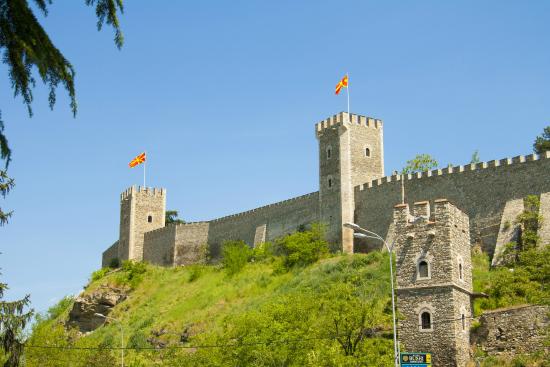
Skopje Fortress, often called Kale Fortress, stands proudly on the highest hill overlooking the capital of North Macedonia. It’s one of those places that quietly commands attention—not just because of its ancient stone walls, but because of the stories those walls seem to whisper when the wind blows through them. Built during the 6th century, the fortress has seen empires rise and fall, from Byzantines to Ottomans, each leaving a mark that still lingers in the stones. And while much of it has been restored, you can still sense its age in the rough textures of the rock and the uneven pathways that twist around the site.
What makes Kale Fortress so special isn’t just its age—it’s the view. Standing on the ramparts, you can see the entire city of Skopje spread out below, the Vardar River slicing through the middle like a silver ribbon. The contrast between the ancient walls and the modern skyline is striking. I remember the first time I visited, I went just before sunset. The sky turned this deep orange, and the city lights began to flicker on one by one—it was honestly one of those moments that sticks with you. It’s not flashy or overly polished; it’s raw, real, and quietly beautiful.
Visitors often comment on how peaceful it feels up there. Even though it’s right in the city, there’s a sense of quiet detachment from the bustle below. You’ll see locals strolling around, couples watching the sunset, and travelers snapping photos from every angle. The fortress isn’t perfect—some parts feel a bit worn, and the signage could use an update—but that’s part of its charm. It’s a place that hasn’t been overly commercialized, and that’s rare these days.
Key Features
- Ancient Origins: The fortress dates back to the 6th century, built during the Byzantine era, with later additions from Ottoman rule.
- Panoramic Views: Offers sweeping views of Skopje’s cityscape, the Vardar River, and the distant mountain ranges.
- Archaeological Significance: Excavations have uncovered artifacts from Roman, Byzantine, and medieval periods, some displayed in the on-site museum.
- Cultural Events: Occasionally hosts open-air concerts, art exhibits, and local festivals during warmer months.
- Accessibility: Features a wheelchair-accessible parking area and pathways that are relatively easy to navigate for most visitors.
- Family-Friendly: Safe open spaces make it a good spot for families with children to explore and learn about the city’s history.
- Free Entry: There’s no entrance fee, making it one of the best-value attractions in Skopje.
What I personally love is how the fortress doesn’t try too hard to impress—it just is. You can wander around freely, find your own quiet corner, and take in the view without crowds pressing around you. There’s something grounding about touching a wall that’s been standing for over 1,400 years. It’s humbling, really.
Best Time to Visit
If you ask me, the best time to visit Skopje Fortress is late afternoon, just before sunset. The light is softer, the air cooler, and the city below glows with a warm, golden hue. Spring and autumn are ideal seasons—pleasant temperatures, fewer tourists, and clearer skies. Summer can get hot, especially around midday, and there’s not much shade up there, so bring water and maybe a hat if you’re visiting then. Winter has its own charm though—those snowy rooftops of Skopje seen from the fortress are something else entirely. But be warned, the paths can get slippery, so tread carefully.
There’s also something magical about visiting early in the morning. Hardly anyone’s around, and you can hear the city waking up—the distant call to prayer, the hum of traffic starting to build, birds circling the towers. It’s a peaceful way to start the day, especially if you’re the kind of traveler who likes quiet moments before the crowds roll in.
How to Get There
Getting to Kale Fortress is fairly easy since it’s right in the heart of Skopje. If you’re staying near the city center, you can actually walk there—it’s about a 10 to 15-minute stroll from Macedonia Square. The walk itself is part of the experience, taking you past the Old Bazaar, one of the most atmospheric parts of the city. You’ll pass cobblestone alleys, little cafés, and shops selling everything from handmade jewelry to Turkish coffee sets. Then, as you climb the short hill toward the fortress, the view starts to open up, and you realize just how high above the city you’re about to be.
For those driving, there’s a free parking lot near the entrance, which is a nice bonus. Taxis are inexpensive in Skopje, so if you’re not up for walking, that’s another easy option. Public buses also stop nearby, though the routes can be a bit confusing if you’re not familiar with the city’s transport system. Honestly, walking is the best way—it gives you time to soak in the surroundings and makes the arrival feel more earned.
Tips for Visiting
Here’s the thing about Kale Fortress—it’s not a massive complex like some European castles, so you don’t need hours to explore it. But there are a few things that can make your visit even better. First, wear comfortable shoes. The ground can be uneven, and some paths are rocky. I once made the mistake of wearing sandals, and let’s just say it wasn’t my brightest travel decision.
Bring water, especially in summer. There aren’t many vendors inside the fortress grounds, so come prepared. If you’re into photography, don’t forget your camera or at least make sure your phone is fully charged. The views are easily some of the best in Skopje, especially if you catch that golden-hour light. And if you’re into history, try to read a bit about the site before you go—it makes everything more meaningful when you can connect the ruins to the stories behind them.
Families will find it a relaxed, open space where kids can run around safely, though it’s best to keep an eye on them near the edges of the walls. For travelers with limited mobility, the accessible parking and relatively gentle slopes make it manageable, but some areas might still be tricky due to uneven terrain.
Oh, and one more thing—don’t rush. Too many people just take a few photos and leave. Take your time. Sit on the stone walls, watch the city below, listen to the sounds drifting up from the streets. You’ll get a sense of how Skopje has changed over the centuries, yet still feels connected to its past. That’s the beauty of Kale Fortress—it’s not just a monument, it’s a living piece of the city’s soul.
So, whether you’re a history buff, a casual traveler, or just someone looking for a quiet place with an unforgettable view, Skopje Fortress deserves a spot on your itinerary. It’s a reminder that sometimes, the most extraordinary experiences come from the simplest places—a hilltop, a few old stones, and a breathtaking view of a city that’s been through it all and still stands proud.
Key Features
- Key Features
- Best Time to Visit
- How to Get There
- Tips for Visiting
More Details
Updated October 8, 2025
Table of Contents
Description
Skopje Fortress, often called Kale Fortress, stands proudly on the highest hill overlooking the capital of North Macedonia. It’s one of those places that quietly commands attention—not just because of its ancient stone walls, but because of the stories those walls seem to whisper when the wind blows through them. Built during the 6th century, the fortress has seen empires rise and fall, from Byzantines to Ottomans, each leaving a mark that still lingers in the stones. And while much of it has been restored, you can still sense its age in the rough textures of the rock and the uneven pathways that twist around the site.
What makes Kale Fortress so special isn’t just its age—it’s the view. Standing on the ramparts, you can see the entire city of Skopje spread out below, the Vardar River slicing through the middle like a silver ribbon. The contrast between the ancient walls and the modern skyline is striking. I remember the first time I visited, I went just before sunset. The sky turned this deep orange, and the city lights began to flicker on one by one—it was honestly one of those moments that sticks with you. It’s not flashy or overly polished; it’s raw, real, and quietly beautiful.
Visitors often comment on how peaceful it feels up there. Even though it’s right in the city, there’s a sense of quiet detachment from the bustle below. You’ll see locals strolling around, couples watching the sunset, and travelers snapping photos from every angle. The fortress isn’t perfect—some parts feel a bit worn, and the signage could use an update—but that’s part of its charm. It’s a place that hasn’t been overly commercialized, and that’s rare these days.
Key Features
- Ancient Origins: The fortress dates back to the 6th century, built during the Byzantine era, with later additions from Ottoman rule.
- Panoramic Views: Offers sweeping views of Skopje’s cityscape, the Vardar River, and the distant mountain ranges.
- Archaeological Significance: Excavations have uncovered artifacts from Roman, Byzantine, and medieval periods, some displayed in the on-site museum.
- Cultural Events: Occasionally hosts open-air concerts, art exhibits, and local festivals during warmer months.
- Accessibility: Features a wheelchair-accessible parking area and pathways that are relatively easy to navigate for most visitors.
- Family-Friendly: Safe open spaces make it a good spot for families with children to explore and learn about the city’s history.
- Free Entry: There’s no entrance fee, making it one of the best-value attractions in Skopje.
What I personally love is how the fortress doesn’t try too hard to impress—it just is. You can wander around freely, find your own quiet corner, and take in the view without crowds pressing around you. There’s something grounding about touching a wall that’s been standing for over 1,400 years. It’s humbling, really.
Best Time to Visit
If you ask me, the best time to visit Skopje Fortress is late afternoon, just before sunset. The light is softer, the air cooler, and the city below glows with a warm, golden hue. Spring and autumn are ideal seasons—pleasant temperatures, fewer tourists, and clearer skies. Summer can get hot, especially around midday, and there’s not much shade up there, so bring water and maybe a hat if you’re visiting then. Winter has its own charm though—those snowy rooftops of Skopje seen from the fortress are something else entirely. But be warned, the paths can get slippery, so tread carefully.
There’s also something magical about visiting early in the morning. Hardly anyone’s around, and you can hear the city waking up—the distant call to prayer, the hum of traffic starting to build, birds circling the towers. It’s a peaceful way to start the day, especially if you’re the kind of traveler who likes quiet moments before the crowds roll in.
How to Get There
Getting to Kale Fortress is fairly easy since it’s right in the heart of Skopje. If you’re staying near the city center, you can actually walk there—it’s about a 10 to 15-minute stroll from Macedonia Square. The walk itself is part of the experience, taking you past the Old Bazaar, one of the most atmospheric parts of the city. You’ll pass cobblestone alleys, little cafés, and shops selling everything from handmade jewelry to Turkish coffee sets. Then, as you climb the short hill toward the fortress, the view starts to open up, and you realize just how high above the city you’re about to be.
For those driving, there’s a free parking lot near the entrance, which is a nice bonus. Taxis are inexpensive in Skopje, so if you’re not up for walking, that’s another easy option. Public buses also stop nearby, though the routes can be a bit confusing if you’re not familiar with the city’s transport system. Honestly, walking is the best way—it gives you time to soak in the surroundings and makes the arrival feel more earned.
Tips for Visiting
Here’s the thing about Kale Fortress—it’s not a massive complex like some European castles, so you don’t need hours to explore it. But there are a few things that can make your visit even better. First, wear comfortable shoes. The ground can be uneven, and some paths are rocky. I once made the mistake of wearing sandals, and let’s just say it wasn’t my brightest travel decision.
Bring water, especially in summer. There aren’t many vendors inside the fortress grounds, so come prepared. If you’re into photography, don’t forget your camera or at least make sure your phone is fully charged. The views are easily some of the best in Skopje, especially if you catch that golden-hour light. And if you’re into history, try to read a bit about the site before you go—it makes everything more meaningful when you can connect the ruins to the stories behind them.
Families will find it a relaxed, open space where kids can run around safely, though it’s best to keep an eye on them near the edges of the walls. For travelers with limited mobility, the accessible parking and relatively gentle slopes make it manageable, but some areas might still be tricky due to uneven terrain.
Oh, and one more thing—don’t rush. Too many people just take a few photos and leave. Take your time. Sit on the stone walls, watch the city below, listen to the sounds drifting up from the streets. You’ll get a sense of how Skopje has changed over the centuries, yet still feels connected to its past. That’s the beauty of Kale Fortress—it’s not just a monument, it’s a living piece of the city’s soul.
So, whether you’re a history buff, a casual traveler, or just someone looking for a quiet place with an unforgettable view, Skopje Fortress deserves a spot on your itinerary. It’s a reminder that sometimes, the most extraordinary experiences come from the simplest places—a hilltop, a few old stones, and a breathtaking view of a city that’s been through it all and still stands proud.

Key Highlights
- Key Features
- Best Time to Visit
- How to Get There
- Tips for Visiting
Location
Places to Stay Near Skopje Fortress
Find and Book a Tour
Explore More Travel Guides
No reviews found! Be the first to review!
Traveler Reviews for Skopje Fortress
There are no reviews yet. Be the first one to write one.
Have you visited Skopje Fortress? Help other travelers by sharing your review.
Find Accommodations Nearby
Recommended Tours & Activities
Visitor Reviews
There are no reviews yet. Be the first one to write one.
Share Your Experience
Have you visited Skopje Fortress? Help other travelers by leaving a review.