Description
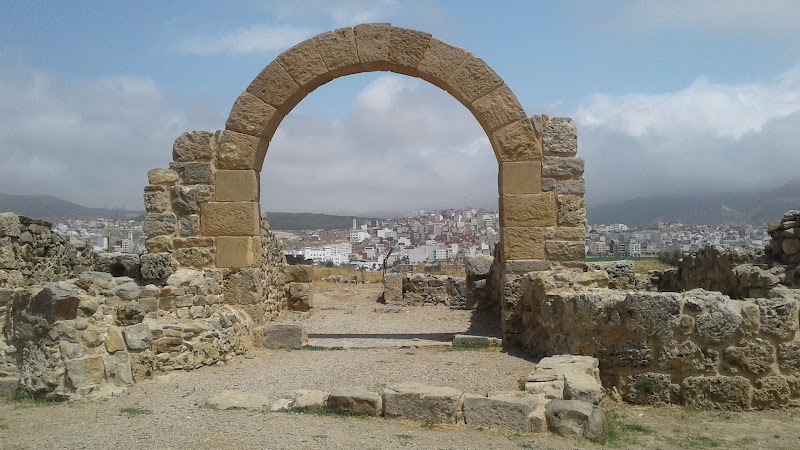
This site isn’t polished to perfection. And that’s good. The stones are weathered, the outlines of buildings are faint, and you’ll need to use your imagination. But if you give it a chance, Tamuda rewards patience. It tells a story of soldiers, merchants, and families who lived here nearly two thousand years ago. The Romans weren’t subtle, after all, and traces of their structured urban planning still show up in the grid-like layout.
One thing travelers often notice is how calm it feels. There’s no swarm of tour buses, no loudspeaker guides barking facts. You hear birds, wind, maybe kids laughing in the distance. It’s accessible for visitors with mobility needs, which isn’t always the case with archaeological ruins, and that makes it feel welcoming rather than exclusive. Families come through, too, and kids seem oddly fascinated by the idea that people once lived “here, right here.”
From a personal angle, Tamuda reminds the writer of a lazy afternoon spent wandering ruins in southern Spain years ago, when the guide left early and everyone just sort of drifted. That same sense of quiet discovery hangs in the air. It’s not dramatic like a famous colosseum, but it sticks with you. You leave thinking, “Huh, that was better than expected.”
And yes, not everyone walks away amazed. Some visitors want towering columns and restored mosaics, and Tamuda doesn’t quite deliver that. But those who enjoy subtlety, context, and space to think tend to rate it highly. It’s the kind of place that grows on you after you leave.
Key Features
What stands out most is the layout. You can still trace the main roads and imagine carts rolling through. The stones underfoot are uneven, but they tell stories. There’s also something refreshing about a site that doesn’t overwhelm you with signage. You’re encouraged to look, not just read.
Best Time to Visit
The best time to visit the Site Archéologique de Tamuda is during spring and autumn. The weather then is mild, skies tend to behave themselves, and walking around the ruins doesn’t feel like a test of endurance. Summer can get hot, and while the site is open and airy, the sun shows no mercy. Winter is quieter, but rain can make paths slippery, so sturdy shoes matter.
Mornings are ideal. The light is softer, perfect for photos, and the air feels fresher. There’s also something about starting your day with ancient history that sets a reflective tone. Afternoons are fine too, but the heat and glare can flatten the experience a bit.
Weekdays generally feel more relaxed than weekends. If you’re the type who likes having space to wander and think, aim for an off-peak hour. And don’t rush it. Even though the site isn’t massive, lingering makes a difference.
How to Get There
Getting to Tamuda is fairly straightforward if you’re already exploring northern Morocco. Most travelers approach it by car, which gives the most flexibility. Roads are decent, and signage, while not flashy, does the job. Parking is available and accessible, which is a relief after dealing with tighter historical sites elsewhere.
Public transportation can work, but it requires a bit of patience and local knowledge. Buses and shared taxis run nearby, though you may need to walk a short distance at the end. That walk, by the way, isn’t unpleasant. It gives you time to shift gears mentally, from modern life to ancient history.
For those joining organized tours, Tamuda is sometimes bundled with other regional highlights. That can be efficient, but it also means less time on site. If history really does it for you, independent travel is the way to go.
Tips for Visiting
First tip: bring water. Sounds obvious, but you’d be surprised how often people forget. There aren’t many facilities on site, so come prepared. Comfortable shoes are non-negotiable; the ground is uneven, and you’ll want to explore freely without worrying about your ankles.
Second, do a little reading beforehand. Knowing even the basics of Roman presence in North Africa adds layers to what you’re seeing. Without that context, it can feel like “just rocks.” With it, those rocks turn into streets, homes, and guard posts.
And here’s a personal quirk: the writer always suggests taking a notebook or using your phone to jot down thoughts. Something about ruins sparks reflection. Maybe it’s the contrast between then and now. Maybe it’s just the quiet. Either way, Tamuda has a way of sneaking into your head.
If you’re visiting with kids, turn it into a game. Ask them what they think each building was for. Let their imaginations run. The site is safe and open enough for that kind of interaction, and it beats dragging them along bored.
Finally, manage expectations. Tamuda isn’t flashy, and it doesn’t try to be. Go in with curiosity rather than a checklist. Give it time, walk slowly, sit for a moment if you can. And when you leave, you might find yourself oddly grateful for a place that didn’t try too hard to impress.
In a world of overproduced attractions, the Site Archéologique de Tamuda feels honest. A little rough around the edges, sure. But memorable in that quiet, lingering way that good travel experiences often are.
 Real Journey Travels