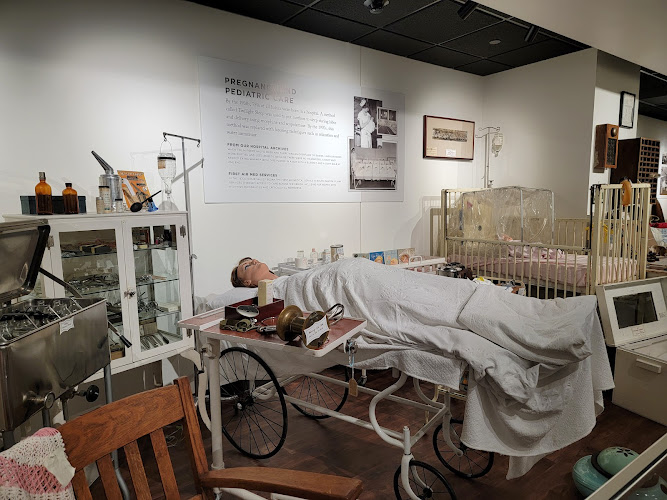
It sits as a kind of museum-of-medicine-meets-community-memory, where surgical instruments, nursing uniforms, old X-rays, and handwritten patient logs tell stories that textbooks rarely capture. Visitors who come expecting sterile displays will be pleasantly surprised by the warmth and human detail woven through every exhibit. The place has a soft, lived-in feel—as if it remembers the hands that used the instruments on show, and it invites visitors to remember along with it.
For a traveler trying to decide whether to allocate time for this stop, the museum punches above its weight. It offers a concentrated look at local medical practice and hospital life without demanding a full day. Adults interested in medical technology evolution, nursing students hunting for context, families with curious teens, and older residents revisiting memories of care in Sioux Falls will all find something worthwhile. And for the traveler who likes offbeat, educational attractions—this delivers a different flavor than a typical art or history museum.
What sets this place apart from run-of-the-mill specialty museums is its honest, unvarnished presentation. Instead of glossing over the messy realities of care and illness, the curators present objects as artifacts of lives lived: a browned surgical tray, a nurse’s cap folded just-so, a medication ledger filled with scrawl. Those little human details make the museum more than an academic display; it becomes a social document of how a community navigated sickness, healing, and death. There is an immediacy that often surprises visitors—an almost tactile sense that medicine is both science and social practice.
Accessibility is not treated like an afterthought here. The museum offers a wheelchair accessible entrance and parking lot, and there are accessible restrooms inside. These features matter a lot for travelers with mobility concerns, senior visitors, and families with strollers. The museum may be compact, but it thinks through basic needs. Restroom facilities are available on site, which is a small but practical detail that makes the visit smoother—especially if someone in the group has mobility constraints or is balancing a travel schedule.
Curatorial choices lean toward stories and artifacts that speak to everyday practice rather than medical celebrity or sensationalism. That said, there are intriguing objects that hint at dramatic moments—old resuscitation devices, early anesthesia tools, and archive photographs of hospital corridors that look frozen in time. The museum balances educational information with evocative items so visitors learn without feeling lectured. And yes, some exhibits are tactile or interactive enough to keep a teenager engaged; others are contemplative and pull at the memories of older visitors who may have worked in local hospitals.
Travelers who like context will appreciate how exhibits are arranged. Displays often pair an object with a short anecdote or an oral-history snippet. Those small capsules are what give exhibits their heartbeat. Instead of just saying This was used in the 1940s, the panels sometimes say This was used by Nurse R. during influenza season; she walked 12-hour shifts and wrote letters home in the evenings. Little narrative hooks like that turn artifacts into personal stories, and people remember stories better than lists of dates.
There are also educational programs and occasional temporary exhibits that explore specific themes—nursing practices across decades, the development of emergency care, local epidemic responses, or profiles of medical pioneers in the Sioux Empire. Travelers should check event schedules if they want to coincide a visit with a lecture, a guided tour, or a special display. Those programs can transform a short stop into a deeper, more memorable learning experience.
One of the more delightful and slightly odd pleasures of the museum is its collection of ephemera: consent forms with fountain-pen signatures, hospital newsletters, and pamphlets advertising now-outdated treatments. These pieces are like time capsules. For someone who enjoys reading old brochures and comparing language and medical advice across generations, the museum is a small treasure trove. It’s the kind of place where a seemingly mundane flyer suddenly sparks wonder: How did they explain pain management in the 1950s? or What did recovery instructions sound like before antibiotics were widespread?
Practical travelers will want to know the vibe: visits tend to be low-key and unrushed. It is not loud or crowded compared to downtown attractions in Sioux Falls. That makes it ideal for a relaxed afternoon visit when someone wants to avoid the busier tourist hubs. The museum’s layout encourages meandering rather than a one-way march, and most visitors report leaving with a mix of curiosity and a contemplative mood—sometimes a little emotional, if they connect exhibits to personal experiences with hospitals and caregiving.
There is an archival component that sometimes surprises people. Archivists and volunteers preserve records that matter to the community—photographs, personnel files, and oral histories. Researchers, family historians, and genealogy buffs can find valuable leads here. Travelers with an interest in tracing local medical lineage or family care stories may be able to arrange appointments to dig into archives. It’s not always flashy, but for certain visitors, access to these records can be profoundly meaningful.
For photography enthusiasts, the museum provides an interesting subject without the overwhelming crowds. The lighting in some exhibit rooms produces good contrast for capturing textures—the patina on surgical tools, the weave of old linens, the sepia of archival photos. However, visitors should be mindful and respectful: some artifacts are delicate, and flash photography or touching exhibits is often discouraged. The museum staff tends to be helpful if someone asks about photographing an object for personal use or research purposes.
Travelers who like to pair museum visits with nearby neighborhoods will find the location in Sioux Falls convenient to other local attractions and services. After an hour or two in the museum, one can easily continue a day exploring local cafes, parks, or historic districts. But for those who prefer to linger, the museum’s sitting areas and quiet corners invite reflection, so there’s no pressure to rush off.
One small but important detail: the museum is run with a heavy dose of community pride and volunteer energy. Exhibits often reflect donations and stories from local residents, and that community connection gives the displays a warmth that professional-only museums sometimes lack. Volunteers love to share context and little-known anecdotes about the items on display, and that personal touch can make a visit feel more intimate and authentic. In short, it’s not just a sterile collection—people care about the stories here.
Finally, the museum works well as an educational stop for families and students. School groups and nursing-student visits have been common, and the museum staff are used to tailoring brief, engaging tours for mixed-age groups. If travelers are teaching kids about health, history, or local culture on the road, the Sioux Empire Medical Museum can be an unexpected classroom—one that’s tangible, human, and honest about the past.
Overall, the Sioux Empire Medical Museum in Sioux Falls offers a thoughtful, human-centered look at medical history, with solid accessibility, archival resources, and a community-driven spirit. It may not be the flashiest stop on a traveler’s list, but for those who appreciate texture, story, and the small details that make history come alive, it is a quietly rewarding place to visit.
 Real Journey Travels