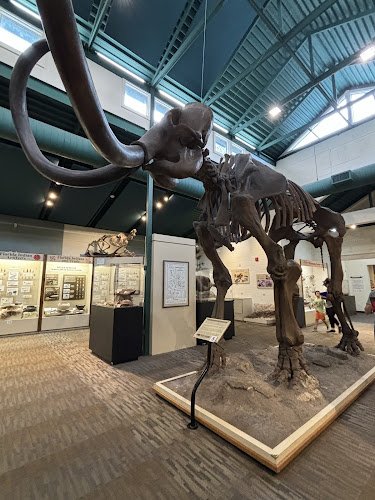
It is a local museum that blends history, science, and hands-on learning into a compact, oddly charming campus. The centerpiece is a faithful replica of a 19th-century homestead — cabins, outbuildings, a smokehouse — arranged to give a sense of how settlers and early Floridians lived off the land. But the museum is more than a time capsule. Exhibits interpret Florida’s natural history, from freshwater springs and river ecology to the plants and animals that make this region distinct.
Visitors who like to poke, prod, and ask inconvenient questions will be in good company. The place doubles as an environmental education center, so many exhibits are designed to be interactive and kid-friendly. It is a spot where school groups, families, and curious adults overlap on field trips and weekend visits. Trails fan out from the core buildings, offering a chance to see the river, spot local wildlife, and appreciate the kind of riverine habitat that has shaped central Florida for millennia.
Accessibility and comfort are taken seriously: there is a wheelchair-accessible entrance, parking, and restroom facilities, which matters more than many folks realize until they need it. The museum offers guided tours and onsite services, plus a modest gift shop where one can find field guides, children’s activity books, and small souvenirs that aren’t overly touristy. There is an admission fee, which supports programming and conservation efforts — a tangible way to help keep the trails mowed and the exhibits updated.
On a personal note — well, third-person personal — long-time volunteers often tell visitors that the museum’s special flavor comes from its people. Docents and naturalists are not reading scripts; they love to share odd facts, sometimes with a twinkle in the eye. One volunteer once pointed out how even the moss hanging from trees has a story about humidity, shade, and local microclimates. Those little asides, the kind that stick with a visitor, are part of what makes this place memorable.
The combination of living history and environmental interpretation gives the Silver River Museum a dual appeal. History buffs appreciate the homestead and artifact displays that contextualize 19th-century rural life in Florida. Nature lovers and budding scientists appreciate the exhibits on freshwater ecosystems and the river’s role in regional biodiversity. Kids get hands-on activities that make science feel like play. Together, these elements make the museum an informative stop for travelers who want to learn something rooted in place rather than a generic “museum experience.”
Key Features
- Programs and exhibits that change seasonally, with special events and workshops
Best Time to Visit
Timing matters. Spring and fall are prime windows for a visit: temperatures are milder, bugs are less ferocious, and the light on the river is simply gorgeous. Spring also brings active wildlife and blooming native plants along the trails, which makes it a favorite season for photographers and naturalists. Fall can surprise with crisp mornings and fewer crowds, and it’s often a great time for trail walks.
Summer visits are fine if visitors plan for heat and humidity. Early mornings are the smartest bet then — the air is cooler, wildlife is more active, and one can beat the afternoon storms that Florida is fond of producing in summer months. And yes, afternoon pop-up thunderstorms are part of the local charm; they make dramatic clouds and quick, cleansing downpours. Winter brings cooler temperatures and lower humidity, which many visitors find pleasant, though the river and surrounding foliage can be quieter then.
Weekdays and early opening hours generally offer a more contemplative experience. School groups and families gravitate toward mid-morning through early afternoon on weekends, so those looking for a quieter trail experience should consider weekday mornings. Special events, workshops, and seasonal programs will attract additional crowds, so check event calendars if one seeks either festivity or solitude.
How to Get There
The museum is in the Ocala area and is best reached by car. Public transportation in this part of Florida is limited, so most visitors drive or arrange a rideshare. Ample parking is available, including accessible parking spaces. Signage near the access road points the way, and the small campus is easy to navigate once on site.
For travelers coming from farther afield, the nearest major airports require a rental car to complete the journey. The region is scenic, and the drive to the museum often includes stretches of country roads with classic Florida vistas: palmetto scrub, pines, and the occasional cattle pasture. It is the kind of drive that invites a slow pace — pull over for a photo if something catches the eye.
Once at the museum, pathways connect the main exhibits and trailheads, though a bit of walking is required to truly explore. Sturdy shoes are recommended; sandals are fine for the homestead area, but any trail beyond the manicured grounds benefits from closed-toe footwear. Bicycles are less common inside the museum grounds, and visitors should check on any restrictions before bringing one along.
Tips for Visiting
Plan a half-day to a full day. The museum rewards a leisurely visit because of the twin natures of the site: historical interpretation and nature exploration. Trying to rush through both will leave a sense of missed opportunities. A good rhythm is to do indoor exhibits and the homestead first, then move onto the trails when things warm up a bit and wildlife becomes more visible.
Bring binoculars and a camera. The river and surrounding habitats are home to wading birds, turtles, and often surprisingly photogenic scenes. Binoculars make a big difference for wildlife viewing and are a small investment that pays back in memorable sightings.
Pack water and sun protection. Even a short walk under the Florida sun can be taxing. There are restrooms on site, but water fountains may not always be available, so bringing a refillable bottle is a smart move. Sunscreen and a wide-brim hat keep the day comfortable.
Dress in layers and be ready for sudden weather changes. Florida’s microclimates mean a bright, dry morning can turn into a wet, humid afternoon. A lightweight rain jacket or a packable poncho will keep the visit on track through unpredictable showers.
Bring kids’ curiosity and plan for hands-on learning. The museum’s programming is geared to engage young learners, and children tend to respond well when allowed to touch, ask, and explore. Parents should expect to be drawn into demonstrations and impromptu naturalist chats; the staff and volunteers are good at making lessons stick.
Respect the trails and habitats. The museum places emphasis on environmental education for a reason — these are delicate ecosystems. Stay on marked trails, keep a respectful distance from wildlife, and refrain from feeding animals. These small behaviors protect the river and ensure future visitors can enjoy it too.
Consider a guided tour. Docent-led tours often reveal layers of the museum’s story that aren’t obvious from signage alone. Guides point out hidden details in the homestead construction, unusual plant species, and the ecological dynamics of the river. They also tend to have the best local anecdotes, which are the kind of small, human stories that make visits stick in the memory.
Take advantage of the gift shop. It’s not just for souvenirs; the shop stocks field guides and educational materials that can deepen an interest sparked during the visit. Buying from the shop is also a direct way to support the museum’s programs.
And finally, leave time to simply listen. The river has a sound — slow-running water, distant birdcalls, leaves stirring in a breeze. In a world that moves fast, the museum offers a place to slow down and listen, to learn at a human pace rather than a checklist pace. That quiet time often becomes the part of the visit people mention months later when retelling their trip.
For travelers who want to blend history with natural science, who appreciate staff and volunteers who are genuinely enthusiastic, and who enjoy modest, well-cared-for museums that prioritize learning, the Silver River Museum & Environmental Education Center provides a thoughtful, memorable stop. It rewards curiosity, a willingness to wander, and an appetite to learn about how people and nature have shaped each other in this corner of Florida.
 Real Journey Travels