
Shiv Udyan
About Shiv Udyan
Description
The moment you step into this place, you'll realize it's one of those spots that doesn't quite fit into the neat little boxes most travel guides try to create. I've been to my fair share of destinations that promise the world and deliver something closer to a decent afternoon, but there's something genuinely different here that makes it worth your consideration. What strikes most visitors first is the atmosphere—it's got this quality that's hard to pin down exactly. Some travelers come expecting one thing and leave having experienced something entirely unexpected, which honestly can be both a blessing and a slight challenge depending on what you're after. The space itself invites exploration, though you'll want to manage your expectations about what "exploration" means in this context. From what I've gathered talking to fellow travelers and from my own observations, this destination tends to work best for people who appreciate authentic experiences over polished tourist productions. And that's really the key word here: authentic. You're not going to find everything perfectly manicured or designed with Instagram in mind, which frankly is refreshing in today's travel landscape where everything feels curated to within an inch of its life. The surrounding area contributes significantly to the overall experience. There's a genuine sense of place here that you don't always find at more commercialized spots. But let me be honest with you—this isn't going to be everyone's cup of tea. If you need state-of-the-art facilities and five-star amenities at every turn, you might want to adjust your expectations or look elsewhere. However, if you're the type of traveler who values character over convenience, you'll probably find yourself pleasantly surprised by what's on offer.Key Features
The distinctive characteristics of this destination reveal themselves gradually, which is actually part of its appeal. Here's what makes this place stand out:- The natural surroundings create an environment that shifts throughout the day, offering different perspectives depending on when you visit
- Accessibility varies depending on your physical condition and mobility requirements, so it's worth researching specific routes and entry points before you arrive
- Local character shines through in unexpected ways, particularly in the smaller details that mass-market destinations often overlook
- Photography opportunities abound for those willing to look beyond the obvious shots—early morning and late afternoon tend to offer the most interesting light
- The pace here encourages slower exploration rather than rushed sightseeing, which works wonderfully if you're trying to escape the typical tourist hustle
- Seasonal variations significantly impact the experience, with each time of year offering distinct advantages and potential drawbacks
- Local knowledge proves invaluable for getting the most out of your visit—striking up conversations with people who know the area well pays dividends
- The immediate vicinity contains additional points of interest that complement the main attraction nicely
- Crowd levels fluctuate considerably based on time of day and season, affecting both the atmosphere and practical logistics
- Weather conditions play a more significant role here than at some other destinations, so checking forecasts becomes essential rather than optional
Best Time to Visit
Timing your visit correctly can make the difference between a mediocre experience and something truly memorable. I've learned this lesson the hard way at various destinations over the years—show up at the wrong moment and even the most spectacular place can feel underwhelming. The shoulder seasons generally offer the sweet spot between favorable conditions and manageable visitor numbers. You'll find that spring and autumn provide that perfect balance where the weather cooperates most of the time, and you're not constantly navigating around tour groups or competing for space with throngs of other travelers. Summer brings its own set of considerations. Yes, you'll have longer daylight hours to work with, which is definitely advantageous if you're trying to pack a lot into your visit. But you'll also be dealing with peak season realities—more people, potentially higher costs, and that general busy atmosphere that some travelers love and others find exhausting. I've visited similar places during summer months and found myself wishing I'd come a few weeks earlier or later when things were calmer. Winter visits present a completely different experience. Some travelers absolutely swear by off-season exploration, and there's definitely merit to that approach. You'll encounter fewer people, which means more space to appreciate things at your own pace. However, you need to be prepared for potential weather challenges and the possibility that some aspects might not be accessible or as impressive as they would be during warmer months. Early mornings consistently rank as the optimal time of day regardless of season. There's something special about experiencing a place before the crowds arrive and before the day's heat sets in. I'm not naturally a morning person—never have been—but I've forced myself into early starts at destinations like this and never regretted it. The quality of light, the peaceful atmosphere, and the sense of having the place somewhat to yourself creates memories that afternoon visits simply can't match. Late afternoon and early evening deserve consideration too, particularly if you're not inclined toward dawn expeditions. The angle of the sun changes everything about how you perceive a space, and there's often a lovely golden hour quality that makes even ordinary scenes feel extraordinary. Weekdays trump weekends in terms of visitor volume. If your schedule allows any flexibility at all, aim for Tuesday through Thursday visits when local weekend crowds and day-trippers stay away.How to Get There
Getting to this destination requires some planning, though it's not particularly complicated once you understand your options. The approach you take depends largely on where you're starting from and what kind of travel experience you prefer. For those arriving from further away, you'll need to make your way to the general region first. The nearest major transportation hub serves as the logical starting point for most international and long-distance travelers. From there, your journey continues using regional transportation options that vary in speed, comfort, and cost. Public transportation represents the most economical choice for budget-conscious travelers. The connections aren't always perfectly timed, and you might find yourself with some waiting around, but the savings can be substantial compared to other options. I've taken this approach at similar destinations and found that the extra time actually gave me opportunities to observe local life and get a feel for the area that I would have missed in a private vehicle rushing past everything. Renting a car provides maximum flexibility and convenience, particularly if you're planning to explore the wider region or traveling as a group where costs get split multiple ways. The independence of having your own wheels cannot be overstated—you set your own schedule, make spontaneous stops, and don't worry about catching last buses or trains. Navigation has become increasingly straightforward with smartphone mapping apps, though having offline maps downloaded proves wise since coverage can be spotty in certain areas. Taxi services and ride-sharing apps offer middle-ground solutions. You'll pay more than public transit but less than multi-day car rentals, and you avoid driving in unfamiliar territory if that makes you nervous. Arranging return transportation in advance saves potential headaches later, especially if you're visiting during off-peak hours when available drivers might be scarce. Some travelers opt for organized tours that include transportation as part of the package. This removes all logistical concerns but obviously limits your freedom and saddles you with group dynamics that might not align with your travel style. Whether that trade-off makes sense depends entirely on your priorities and comfort level with independent travel. The final approach from the nearest drop-off point might involve some walking. Comfortable footwear isn't just recommended—it's essential. I've watched countless travelers hobble around in completely inappropriate shoes, clearly miserable and unable to fully enjoy themselves because they prioritized fashion over function.Tips for Visiting
Smart preparation transforms good visits into great ones, and I've picked up quite a few practical insights worth sharing with anyone planning to spend time here. Start with realistic time allocation. Many first-time visitors underestimate how long they'll want to stay once they arrive. Building buffer time into your schedule prevents that rushed feeling where you're constantly checking your watch instead of being present in the moment. I generally suggest allocating at least twice as long as you initially think you'll need—you can always leave early if you're genuinely done, but you can't easily extend your visit if you've got rigid commitments scheduled immediately afterward. Weather preparedness extends beyond simply checking the forecast. Conditions can shift quickly, so bringing layers makes more sense than committing to a single outfit for the day. A light rain jacket takes up minimal space in your bag but provides enormous value if clouds roll in unexpectedly. Sunscreen and a hat matter more than most people realize, especially if you're spending extended time outdoors. Hydration and snacks deserve attention before you arrive. Depending on available facilities, you might not have convenient access to food and drinks once you're there. Carrying your own supplies ensures you're not forced to cut your visit short because you're hungry or thirsty. I've made this mistake before—arriving without provisions and ending up miserable and cranky, which definitely colored my perception of an otherwise lovely place. Photography enthusiasts should think about timing and equipment beforehand. The best shots often require patience and specific lighting conditions. If capturing great images matters to you, research optimal viewpoints and times in advance rather than hoping to stumble upon them. And please, be respectful of other visitors while photographing—nobody wants their experience interrupted by someone treating the place like a personal photo studio. Cash versus card considerations vary by location, but having some physical currency on hand generally proves useful. Not everywhere accepts cards, and you don't want to miss out on something because you can't pay for it. Respect for the environment and local customs isn't just polite—it's essential for preserving places like this for future travelers. Stay on designated paths, don't leave trash behind, and be mindful of noise levels. These seem like obvious points, but I've witnessed enough poor behavior to know they bear repeating. Social media can wait. I know the temptation to immediately post everything is strong, but you'll have a richer experience if you're not constantly viewing everything through your phone screen. Take your photos, then put the device away and actually be present. Your followers will survive waiting a few hours for your updates. Flexibility in your expectations serves you well. Places rarely match exactly what we've imagined, and that's okay. Sometimes the unexpected aspects become the most memorable parts of the journey. Roll with surprises rather than getting frustrated when reality doesn't perfectly align with your preconceptions. Consider visiting multiple times if you're in the area for an extended period. Each visit reveals different aspects, and you'll notice things during subsequent trips that completely escaped your attention initially. There's real value in that repeated exposure that single visits simply cannot provide.Key Features
- Shaded walking paths suitable for morning/evening strolls
- Neat lawns and seasonal flower beds
- Seating areas and benches for relaxing or people-watching
- Family-friendly layout with space for children to play
- Easy access from Tapovan neighborhood and nearby transit
More Details
Updated March 30, 2026
Table of Contents
Description
The moment you step into this place, you’ll realize it’s one of those spots that doesn’t quite fit into the neat little boxes most travel guides try to create. I’ve been to my fair share of destinations that promise the world and deliver something closer to a decent afternoon, but there’s something genuinely different here that makes it worth your consideration.
What strikes most visitors first is the atmosphere—it’s got this quality that’s hard to pin down exactly. Some travelers come expecting one thing and leave having experienced something entirely unexpected, which honestly can be both a blessing and a slight challenge depending on what you’re after. The space itself invites exploration, though you’ll want to manage your expectations about what “exploration” means in this context.
From what I’ve gathered talking to fellow travelers and from my own observations, this destination tends to work best for people who appreciate authentic experiences over polished tourist productions. And that’s really the key word here: authentic. You’re not going to find everything perfectly manicured or designed with Instagram in mind, which frankly is refreshing in today’s travel landscape where everything feels curated to within an inch of its life.
The surrounding area contributes significantly to the overall experience. There’s a genuine sense of place here that you don’t always find at more commercialized spots. But let me be honest with you—this isn’t going to be everyone’s cup of tea. If you need state-of-the-art facilities and five-star amenities at every turn, you might want to adjust your expectations or look elsewhere. However, if you’re the type of traveler who values character over convenience, you’ll probably find yourself pleasantly surprised by what’s on offer.
Key Features
The distinctive characteristics of this destination reveal themselves gradually, which is actually part of its appeal. Here’s what makes this place stand out:
- The natural surroundings create an environment that shifts throughout the day, offering different perspectives depending on when you visit
- Accessibility varies depending on your physical condition and mobility requirements, so it’s worth researching specific routes and entry points before you arrive
- Local character shines through in unexpected ways, particularly in the smaller details that mass-market destinations often overlook
- Photography opportunities abound for those willing to look beyond the obvious shots—early morning and late afternoon tend to offer the most interesting light
- The pace here encourages slower exploration rather than rushed sightseeing, which works wonderfully if you’re trying to escape the typical tourist hustle
- Seasonal variations significantly impact the experience, with each time of year offering distinct advantages and potential drawbacks
- Local knowledge proves invaluable for getting the most out of your visit—striking up conversations with people who know the area well pays dividends
- The immediate vicinity contains additional points of interest that complement the main attraction nicely
- Crowd levels fluctuate considerably based on time of day and season, affecting both the atmosphere and practical logistics
- Weather conditions play a more significant role here than at some other destinations, so checking forecasts becomes essential rather than optional
Best Time to Visit
Timing your visit correctly can make the difference between a mediocre experience and something truly memorable. I’ve learned this lesson the hard way at various destinations over the years—show up at the wrong moment and even the most spectacular place can feel underwhelming.
The shoulder seasons generally offer the sweet spot between favorable conditions and manageable visitor numbers. You’ll find that spring and autumn provide that perfect balance where the weather cooperates most of the time, and you’re not constantly navigating around tour groups or competing for space with throngs of other travelers.
Summer brings its own set of considerations. Yes, you’ll have longer daylight hours to work with, which is definitely advantageous if you’re trying to pack a lot into your visit. But you’ll also be dealing with peak season realities—more people, potentially higher costs, and that general busy atmosphere that some travelers love and others find exhausting. I’ve visited similar places during summer months and found myself wishing I’d come a few weeks earlier or later when things were calmer.
Winter visits present a completely different experience. Some travelers absolutely swear by off-season exploration, and there’s definitely merit to that approach. You’ll encounter fewer people, which means more space to appreciate things at your own pace. However, you need to be prepared for potential weather challenges and the possibility that some aspects might not be accessible or as impressive as they would be during warmer months.
Early mornings consistently rank as the optimal time of day regardless of season. There’s something special about experiencing a place before the crowds arrive and before the day’s heat sets in. I’m not naturally a morning person—never have been—but I’ve forced myself into early starts at destinations like this and never regretted it. The quality of light, the peaceful atmosphere, and the sense of having the place somewhat to yourself creates memories that afternoon visits simply can’t match.
Late afternoon and early evening deserve consideration too, particularly if you’re not inclined toward dawn expeditions. The angle of the sun changes everything about how you perceive a space, and there’s often a lovely golden hour quality that makes even ordinary scenes feel extraordinary.
Weekdays trump weekends in terms of visitor volume. If your schedule allows any flexibility at all, aim for Tuesday through Thursday visits when local weekend crowds and day-trippers stay away.
How to Get There
Getting to this destination requires some planning, though it’s not particularly complicated once you understand your options. The approach you take depends largely on where you’re starting from and what kind of travel experience you prefer.
For those arriving from further away, you’ll need to make your way to the general region first. The nearest major transportation hub serves as the logical starting point for most international and long-distance travelers. From there, your journey continues using regional transportation options that vary in speed, comfort, and cost.
Public transportation represents the most economical choice for budget-conscious travelers. The connections aren’t always perfectly timed, and you might find yourself with some waiting around, but the savings can be substantial compared to other options. I’ve taken this approach at similar destinations and found that the extra time actually gave me opportunities to observe local life and get a feel for the area that I would have missed in a private vehicle rushing past everything.
Renting a car provides maximum flexibility and convenience, particularly if you’re planning to explore the wider region or traveling as a group where costs get split multiple ways. The independence of having your own wheels cannot be overstated—you set your own schedule, make spontaneous stops, and don’t worry about catching last buses or trains. Navigation has become increasingly straightforward with smartphone mapping apps, though having offline maps downloaded proves wise since coverage can be spotty in certain areas.
Taxi services and ride-sharing apps offer middle-ground solutions. You’ll pay more than public transit but less than multi-day car rentals, and you avoid driving in unfamiliar territory if that makes you nervous. Arranging return transportation in advance saves potential headaches later, especially if you’re visiting during off-peak hours when available drivers might be scarce.
Some travelers opt for organized tours that include transportation as part of the package. This removes all logistical concerns but obviously limits your freedom and saddles you with group dynamics that might not align with your travel style. Whether that trade-off makes sense depends entirely on your priorities and comfort level with independent travel.
The final approach from the nearest drop-off point might involve some walking. Comfortable footwear isn’t just recommended—it’s essential. I’ve watched countless travelers hobble around in completely inappropriate shoes, clearly miserable and unable to fully enjoy themselves because they prioritized fashion over function.
Tips for Visiting
Smart preparation transforms good visits into great ones, and I’ve picked up quite a few practical insights worth sharing with anyone planning to spend time here.
Start with realistic time allocation. Many first-time visitors underestimate how long they’ll want to stay once they arrive. Building buffer time into your schedule prevents that rushed feeling where you’re constantly checking your watch instead of being present in the moment. I generally suggest allocating at least twice as long as you initially think you’ll need—you can always leave early if you’re genuinely done, but you can’t easily extend your visit if you’ve got rigid commitments scheduled immediately afterward.
Weather preparedness extends beyond simply checking the forecast. Conditions can shift quickly, so bringing layers makes more sense than committing to a single outfit for the day. A light rain jacket takes up minimal space in your bag but provides enormous value if clouds roll in unexpectedly. Sunscreen and a hat matter more than most people realize, especially if you’re spending extended time outdoors.
Hydration and snacks deserve attention before you arrive. Depending on available facilities, you might not have convenient access to food and drinks once you’re there. Carrying your own supplies ensures you’re not forced to cut your visit short because you’re hungry or thirsty. I’ve made this mistake before—arriving without provisions and ending up miserable and cranky, which definitely colored my perception of an otherwise lovely place.
Photography enthusiasts should think about timing and equipment beforehand. The best shots often require patience and specific lighting conditions. If capturing great images matters to you, research optimal viewpoints and times in advance rather than hoping to stumble upon them. And please, be respectful of other visitors while photographing—nobody wants their experience interrupted by someone treating the place like a personal photo studio.
Cash versus card considerations vary by location, but having some physical currency on hand generally proves useful. Not everywhere accepts cards, and you don’t want to miss out on something because you can’t pay for it.
Respect for the environment and local customs isn’t just polite—it’s essential for preserving places like this for future travelers. Stay on designated paths, don’t leave trash behind, and be mindful of noise levels. These seem like obvious points, but I’ve witnessed enough poor behavior to know they bear repeating.
Social media can wait. I know the temptation to immediately post everything is strong, but you’ll have a richer experience if you’re not constantly viewing everything through your phone screen. Take your photos, then put the device away and actually be present. Your followers will survive waiting a few hours for your updates.
Flexibility in your expectations serves you well. Places rarely match exactly what we’ve imagined, and that’s okay. Sometimes the unexpected aspects become the most memorable parts of the journey. Roll with surprises rather than getting frustrated when reality doesn’t perfectly align with your preconceptions.
Consider visiting multiple times if you’re in the area for an extended period. Each visit reveals different aspects, and you’ll notice things during subsequent trips that completely escaped your attention initially. There’s real value in that repeated exposure that single visits simply cannot provide.
Key Highlights
- Shaded walking paths suitable for morning/evening strolls
- Neat lawns and seasonal flower beds
- Seating areas and benches for relaxing or people-watching
- Family-friendly layout with space for children to play
- Easy access from Tapovan neighborhood and nearby transit
Location
Places to Stay Near Shiv Udyan
Find and Book a Tour
Explore More Travel Guides
No reviews found! Be the first to review!
Shiv Udyan is a prominent Outdoors & Nature located in Amravati.
Visit us at: WRX2+R92.
Traveler Reviews for Shiv Udyan
There are no reviews yet. Be the first one to write one.
Have you visited Shiv Udyan? Help other travelers by sharing your review.
Nearby Attractions
You Might Also Like
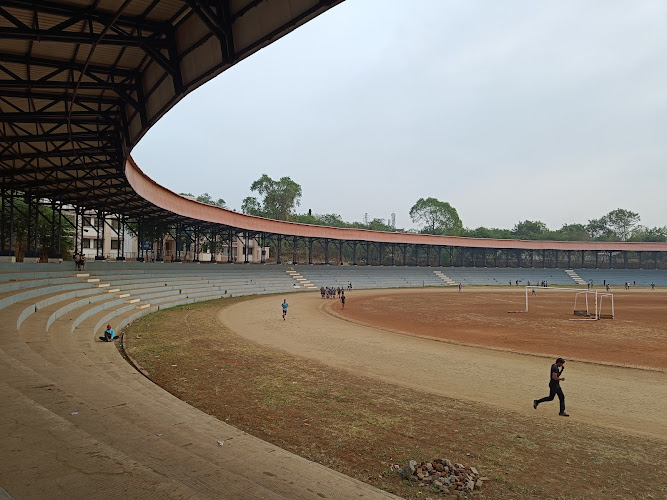
Jawaharlal Nehru Stadium
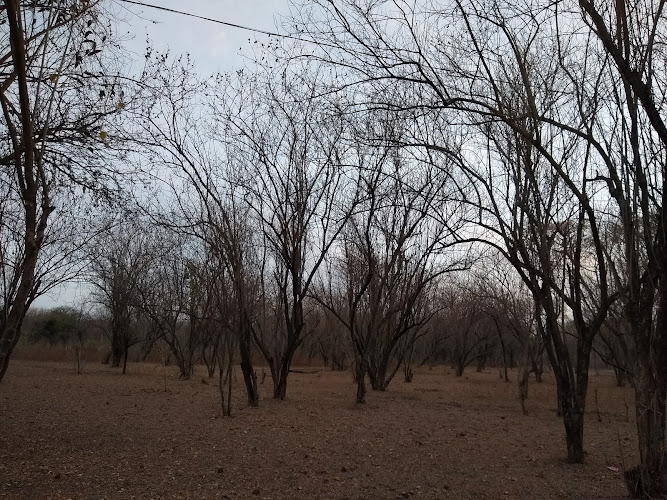
VMV Forest Reserv
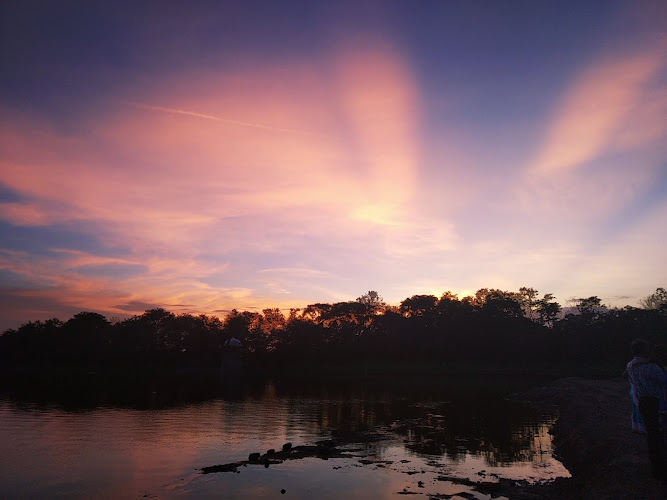
Dastur Garden
Find Accommodations Nearby
Recommended Tours & Activities
Visitor Reviews
There are no reviews yet. Be the first one to write one.
Share Your Experience
Have you visited Shiv Udyan? Help other travelers by leaving a review.