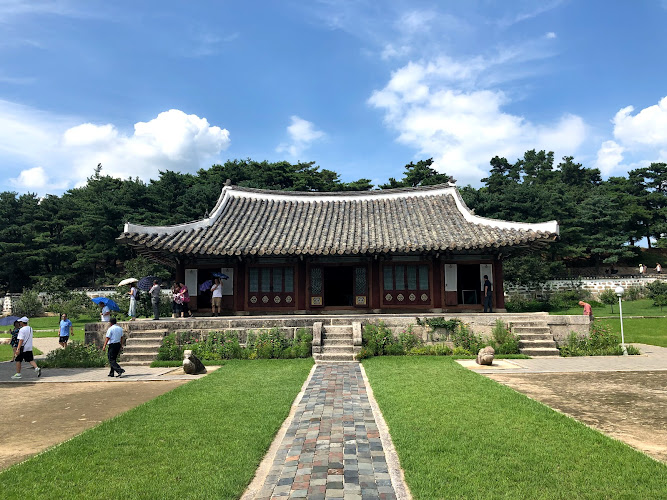
Ah, Seonggyungwan – a place that’ll make you feel like you’ve stumbled into a time machine and landed smack dab in the middle of ancient Korea. This isn’t just any old historical landmark, folks. We’re talking about the crème de la crème of Confucian education during the Joseon Dynasty. Picture this: scholars in flowing robes, debating philosophy under centuries-old trees. It’s like stepping onto the set of a historical K-drama, minus the dramatic love triangles (well, as far as we know).
Now, I’ve been to my fair share of historical sites, but Seonggyungwan? It’s got a certain je ne sais quoi that sets it apart. Maybe it’s the way the sunlight filters through the ancient architecture, or perhaps it’s the lingering aura of countless brilliant minds who’ve walked these grounds. Whatever it is, it’s pretty darn special.
But don’t go thinking this is just some stuffy old academy. Oh no, Seonggyungwan has more layers than an onion (and it might make you tear up a bit too, if you’re a history buff like me). It’s a place where tradition meets modernity, where the echoes of the past blend seamlessly with the hustle and bustle of present-day Seoul.
As you wander through the courtyards and halls, you can almost hear the whispers of students cramming for their civil service exams. Trust me, it’ll make you grateful for modern-day education – no need to memorize entire books verbatim these days!
And let’s not forget the architecture. It’s a feast for the eyes, with its intricate wooden structures and vibrant paintwork. I mean, who needs Instagram filters when you’ve got backdrops like these? Just don’t get too carried away with the selfies – you might bump into a 600-year-old pillar, and that’s a conversation with the curator you definitely want to avoid.
But what really gets me about Seonggyungwan is how it’s managed to stay relevant. It’s not just gathering dust as a relic of the past. Nope, this place is still very much alive, hosting cultural events and ceremonies that’ll transport you back in time faster than you can say “Confucius says.”
So, whether you’re a history enthusiast, an architecture aficionado, or just someone looking to add a dash of culture to their Seoul itinerary, Seonggyungwan is a must-visit. Just be prepared – you might walk in as a tourist, but you’ll leave feeling like a scholar of the Joseon Dynasty. And who knows? You might even pick up a philosophical nugget or two to impress your friends back home.
Key Features
- Daeseongjeon Shrine: The heart of Seonggyungwan, where you can pay respects to Confucius and other great scholars. It’s like the Hall of Fame for ancient Korean intellectuals!
- Myeongnyundang Lecture Hall: This is where the magic happened. Students would gather here for lectures and debates. I can almost hear the heated discussions about ethics and governance echoing through time.
- Bicheondang: A quaint little library where scholars would burn the midnight oil. It’s giving me flashbacks to my college days, minus the energy drinks and instant noodles.
- Dongmu and Seomu: These dormitories housed the students. Imagine the late-night philosophical debates and exam stress that these walls have witnessed!
- Sungkyunkwan University Museum: A treasure trove of artifacts that’ll give you a deeper understanding of Confucian education and culture. It’s like a crash course in Korean history, minus the pop quizzes.
- Traditional Gardens: Perfect for a serene stroll or a moment of Confucian contemplation. Just watch out for the roots of those ancient trees – they’ve tripped up many a distracted visitor (yours truly included).
- Ceremonial Events: If you’re lucky, you might catch a reenactment of traditional Confucian rituals. It’s like stepping into a time machine, but without the risk of accidentally becoming your own grandparent.
Best Time to Visit
Ah, the age-old question of when to visit Seonggyungwan. Well, let me tell you, this isn’t your typical “best in spring” or “avoid the summer crowds” kind of place. Seonggyungwan has a charm that persists through all seasons, but if you want my two cents (and I know you do), here’s the lowdown.
Spring is pretty spectacular, I’ll give you that. The cherry blossoms that dot the grounds burst into bloom, turning the already picturesque setting into something straight out of a watercolor painting. It’s almost too pretty – you might find yourself questioning reality. But fair warning: spring also brings hordes of visitors, all armed with selfie sticks and an insatiable appetite for the perfect blossom shot.
Summer, contrary to what you might think, isn’t half bad. Sure, it’s hot and humid (welcome to Seoul, folks), but the ancient buildings provide surprisingly good shade. Plus, the lush greenery is in full force, giving the whole place a vibrant, alive feeling. Just bring a fan and stay hydrated – you don’t want to faint and have the ghost of Confucius himself judge you for poor preparation.
Fall, oh glorious fall! This is my personal favorite. The changing leaves create a stunning backdrop of reds, oranges, and golds against the traditional architecture. It’s like Mother Nature decided to put on a special show just for Seonggyungwan. The weather is usually pretty agreeable too – not too hot, not too cold. Goldilocks would approve.
Winter has its own unique charm. The stark beauty of snow-covered roofs against a crisp blue sky is something to behold. Plus, there’s something poetic about walking the grounds where scholars once studied, all bundled up against the cold. Just be prepared for icy paths and the need for frequent warm-up breaks.
But here’s a pro tip: try to time your visit with one of the traditional ceremonies or events. These happen throughout the year and add an extra layer of authenticity to your experience. Watching a Confucian ritual performed in the very place it’s been done for centuries? Now that’s what I call time travel on a budget.
Ultimately, the best time to visit Seonggyungwan is whenever you can make it happen. Each season offers a different perspective on this historic gem, and trust me, it’s worth experiencing in all its various guises. Just avoid Korean holidays if you’re not a fan of crowds – unless you enjoy playing human Tetris, that is.
How to Get There
Alright, adventurers, let’s talk about the quest to reach Seonggyungwan. Now, I know what you’re thinking – “It’s in Seoul, how hard can it be?” Well, let me tell you, navigating this megalopolis can sometimes feel like you’re trying to solve a Rubik’s cube blindfolded. But fear not! I’ve got your back.
First things first, you’ll want to make friends with Seoul’s subway system. Trust me, it’s going to be your BFF during your stay. The nearest station to Seonggyungwan is Hyehwa Station on Line 4. Once you’ve made it there (and give yourself a pat on the back for mastering the subway map), you’ll want to head out Exit 4. From there, it’s about a 5-minute walk. Easy peasy, right?
But wait, there’s more! For those of you who prefer to stay above ground (I see you, claustrophobes), buses are your ticket to ride. The 109, 143, 150, 162, and 171 buses all stop near Seonggyungwan. Just keep your eyes peeled for the Sungkyunkwan University stop. And if you’re anything like me, maybe set an alarm on your phone so you don’t miss it while you’re busy taking in the sights (or, let’s be real, scrolling through Instagram).
Now, for my fellow walk-aholics out there, you can actually hoof it from Changgyeonggung Palace if you’re feeling particularly ambitious. It’s about a 15-minute stroll, and you get to take in some of Seoul’s charming streets along the way. Just be prepared for some uphill action – consider it your workout for the day.
For those of you who like to travel in style (or just really hate public transport), taxis are always an option. Just show the driver the address in Korean, or better yet, have it ready on your phone. And don’t be alarmed if your driver starts chatting away in Korean – just nod and smile, it’s all part of the authentic Seoul experience.
Oh, and a word to the wise: if you’re using a navigation app, make sure it’s set to pedestrian mode. I may or may not have once followed driving directions and ended up on a wild goose chase through some very confusing one-way streets. Learn from my mistakes, folks.
Remember, half the fun is in the journey. So embrace the chaos, enjoy the ride, and before you know it, you’ll be standing at the gates of Seonggyungwan, ready to dive into some serious Confucian vibes. And hey, if you get lost along the way, just think of it as an opportunity for an unexpected adventure. After all, isn’t that what travel is all about?
Tips for Visiting
Alright, future Seonggyungwan explorers, gather ’round! It’s time for some insider tips that’ll help you navigate this historical wonderland like a pro. Think of me as your virtual tour guide, minus the cheesy jokes and flag-waving (although I can’t promise I won’t slip in a pun or two).
First up, let’s talk timing. Seonggyungwan isn’t exactly Times Square on New Year’s Eve, but it can get busy. If you’re not a fan of crowds (and let’s face it, who is?), try to visit early in the morning or later in the afternoon. Not only will you have more elbow room, but the lighting for photos is *chef’s kiss* during these times.
Speaking of photos, here’s a hot tip: bring a wide-angle lens if you’ve got one. The architecture here is stunning, and you’ll want to capture as much of it as possible in one frame. Just try not to get so caught up in getting the perfect shot that you forget to actually experience the place. I may or may not be speaking from experience here…
Now, let’s address the elephant in the room – or should I say, the traditional hanbok in the closet? Yes, you can rent traditional Korean attire nearby and wear it while exploring Seonggyungwan. It’s a great way to immerse yourself in the history and get some truly unique photos. Just be prepared for some extra attention – you might end up being a bit of an attraction yourself!
When it comes to footwear, comfort is key. You’ll be doing a fair bit of walking, and some of the pathways are uneven. Leave the stilettos at home, unless you’re looking to aerate the lawns with your heels. Sneakers or comfortable flats are your best bet.
Don’t forget to bring water and maybe a snack. While there are vending machines on site, they’re not exactly in keeping with the historical ambiance. Plus, having your own refreshments means you can take a break and soak in the atmosphere whenever you like. Just remember to take any trash with you – littering is a big no-no.
If you’re a history buff (or just like to impress your travel companions with random facts), consider hiring a guide or picking up an audio tour. The stories behind Seonggyungwan are fascinating, and having some context really brings the place to life. Did you know that students here had to memorize entire books? Suddenly, your high school exams don’t seem so bad, huh?
Here’s a quirky tip: bring a notebook and pen. Not for taking notes (unless that’s your thing), but for trying your hand at calligraphy. There’s sometimes an opportunity to practice this traditional art form, and it’s a fun way to take home a unique souvenir.
Lastly, and I can’t stress
 Real Journey Travels