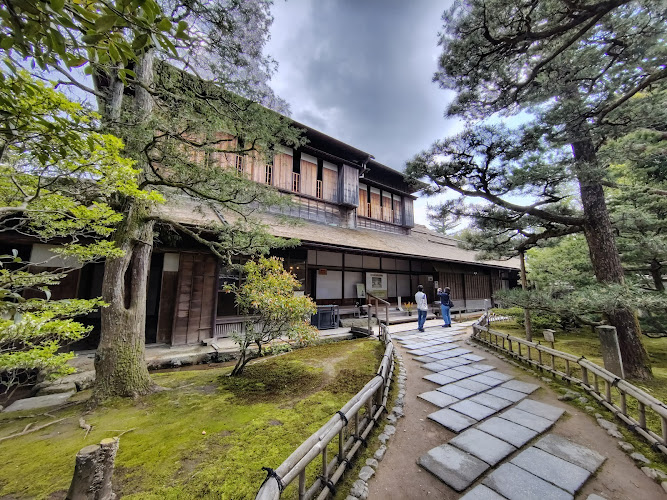
This elegant villa was constructed in 1863 by Lord Maeda Nariyasu, the 13th lord of the Kaga Domain, specifically for his mother Lady Takako. And when I say this wasn’t your average mother’s day gift, I mean it – the sheer opulence and attention to detail throughout this two-story structure is absolutely staggering.
Walking through Seison-kaku feels like stepping back through time to an era when every architectural choice carried meaning and symbolism. The building itself represents the final flourish of Edo period architecture before Japan opened to the West, making it a fascinating snapshot of a culture on the cusp of massive change. What really gets me about this place is how it blends traditional Japanese aesthetics with some surprisingly Western influences that were just starting to trickle into Japan during that period.
The villa sits within the grounds of Kenrokuen Garden, one of Japan’s three most celebrated gardens, which makes the whole area feel like a preserved pocket of history. But Seison-kaku holds its own distinct identity separate from its famous neighbor. The name itself translates roughly to “villa where one becomes clear and serene,” which I think perfectly captures the meditative quality of wandering through its halls and observing the seasonal changes through its various windows and viewing platforms.
Inside, you’ll find an impressive collection of period furnishings, artworks, and personal items that belonged to the Maeda family. These aren’t just random artifacts thrown together – they tell the story of how one of Japan’s wealthiest and most powerful families actually lived during the twilight years of the samurai era. The preservation work here has been meticulous, and the building was designated as an Important Cultural Property in 1950, which speaks volumes about its historical and architectural significance.
Key Features
The architectural and cultural treasures within Seison-kaku make it stand out among Kanazawa’s many historical attractions:
• The striking vermillion exterior walls that immediately catch your eye and distinguish it from typical wooden Japanese villas of the period
• The Tsukushoin Room on the second floor, which features stunning lapis lazuli accents – incredibly rare and expensive during that era, showing off the Maeda family’s wealth and status
• Period room configurations that demonstrate different architectural styles, from formal reception rooms to more intimate living spaces
• An extensive collection of Kutani-yaki porcelain and lacquerware that represents some of the finest craftsmanship from the Kaga region
• The Gunjo-no-ma (Ultramarine Room) with its breathtaking blue walls made from natural pigments
• Intricate ranma (transom panels) featuring detailed carvings and colored glass – some of the earliest examples of Dutch glass used in Japanese architecture
• The elegant garden that complements the villa’s architecture with carefully positioned stones, water features, and seasonal plantings
• Original furnishings including screens, scrolls, and personal belongings that provide intimate glimpses into 19th century aristocratic life
• The innovative heating system built into the floors, which was quite advanced for its time
• Detailed explanations in English throughout the building that actually help visitors understand what they’re looking at
Best Time to Visit
Timing your visit to Seison-kaku can really enhance the experience, and I’ve got some thoughts on this based on what works best for different types of travelers. Spring, particularly late March through early April, brings cherry blossom season to Kanazawa. The villa’s garden and surrounding areas look absolutely magical during this time, though you’ll be sharing the experience with substantially more visitors.
Summer months from June through August can be quite humid in Kanazawa, and while the villa itself stays relatively comfortable, the crowds thin out a bit during the rainy season in June. Some people actually prefer this period because you get a more contemplative experience without constantly navigating around tour groups.
Autumn is arguably the sweet spot for visiting – September through November offers mild temperatures and the fall foliage transforms the garden into something out of a painting. The way the red and gold leaves contrast with the vermillion walls creates photo opportunities that’ll make your Instagram followers properly jealous. Late November can get chilly though, so bring layers.
Winter presents a totally different atmosphere. Snow-covered gardens against traditional architecture create this serene, almost otherworldly scene. January and February see fewer tourists, which means you might have entire rooms to yourself for contemplation. The building can get cold despite its historical heating system, so dress warmly.
Weekday mornings, regardless of season, tend to be quieter than afternoons and weekends. If you’re the type who likes to take your time examining details without feeling rushed by crowds behind you, aim for opening time around 9 AM. The afternoon light can be beautiful for photography though, so there’s a trade-off there.
How to Get There
Getting to Seison-kaku is straightforward once you understand Kanazawa’s layout, which isn’t too complicated for a city of its size. The villa is located adjacent to Kenrokuen Garden, which most visitors are heading to anyway, so you’re likely covering both attractions in one trip.
From Kanazawa Station, you’ve got several options. The most popular and frankly easiest method is taking the Kenrokuen Shuttle bus or the regular city bus. Numbers 12, 22, or the Kenrokuen Shuttle all stop at Kenrokuen-shita or Hirosaka bus stops, both within easy walking distance. The ride takes roughly 15 minutes depending on traffic, and buses run frequently throughout the day. Keep your bus ticket – some tourist passes cover multiple rides.
Taxis from the station cost around 1,000 to 1,500 yen and take about 10 minutes without traffic. If you’re traveling with companions or hauling luggage, splitting a taxi can actually be quite reasonable and saves the navigation stress.
For those staying in the city center, particularly around Korinbo or Katamachi districts, Seison-kaku is within walking distance – maybe 15 to 20 minutes depending on your pace. The walk is pleasant and takes you through some interesting neighborhoods where you’ll spot local shops and cafes worth remembering for later.
Bicycles are another solid option if the weather cooperates. Kanazawa has a bike rental system with stations throughout the city, and cycling to Seison-kaku through the relatively flat streets takes about 15 minutes from central areas. Just note that parking your bike and finding the entrance while managing the map on your phone can be a bit fiddly.
The entrance to Seison-kaku is technically separate from Kenrokuen Garden, even though they’re neighbors. Look for the entrance along the road between Kenrokuen and the 21st Century Museum of Contemporary Art. There’s signage, but it’s less prominent than you might expect for such an important site.
Tips for Visiting
A few practical tips can really improve your Seison-kaku experience, and some of these I learned the slightly annoying way. First off, you’ll need to remove your shoes when entering – this is standard for Japanese historical buildings. They provide slippers, but if you’ve got foot issues or just prefer your own comfort, bringing a pair of thick socks isn’t a bad idea. The floors can be cold in winter.
Photography is allowed inside, which is fantastic, but flash photography isn’t permitted as it damages the artifacts and artworks over time. Natural light varies throughout the building, so if you’re serious about getting good shots, a camera that handles low light well makes a difference. Your phone will probably struggle in the darker rooms.
Plan to spend at least 45 minutes to an hour here if you want to actually appreciate what you’re seeing rather than just ticking a box on your itinerary. The audio guide, available in English, adds maybe 30 minutes but provides context that transforms the experience from looking at old stuff to understanding the stories behind it.
The staff here are knowledgeable and surprisingly patient with questions, even in broken English or through translation apps. Don’t hesitate to ask about something that interests you – I’ve found they genuinely enjoy sharing information about the villa’s history.
Combination tickets with Kenrokuen Garden are available and save you a bit of money. Since most visitors are doing both anyway, this makes practical sense. That said, doing both in one go can be exhausting, especially in hot weather. Consider splitting them across different days if your schedule allows.
The gift shop near the entrance sells some genuinely nice items – traditional crafts, local specialties, and books about the villa and Kanazawa history. It’s not the usual tourist trap stuff, and prices are reasonable for the quality.
Accessibility is somewhat limited given the building’s historical nature. There are stairs to the second floor with no elevator, and the traditional construction means narrow passages in places. If you have mobility concerns, inquire at the entrance about what’s accessible – the ground floor still offers plenty to see.
Avoid visiting during Japanese national holidays if possible, as domestic tourism surges and the experience becomes more about crowd management than cultural appreciation. Golden Week in late April-early May is particularly busy.
Lastly, take time to actually sit in the rooms designated for resting. So many visitors rush through, but part of the villa’s purpose was creating spaces for contemplation and enjoying seasonal views. Spending five minutes just sitting and observing through a traditional window frame, watching light play across tatami mats – that’s when Seison-kaku really reveals why it’s remained significant for over 150 years.
 Real Journey Travels