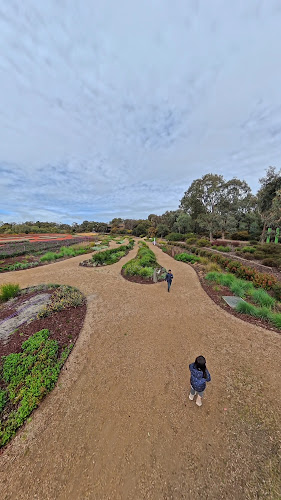
The Secrets of Lightness stands as one of those unexpected artistic encounters that makes you stop and reconsider everything you thought you knew about sculpture. This isn’t your typical monument that demands attention through sheer size or historical weight. Instead, it does something far more interesting—it plays with perception and challenges the very idea of what heavy materials like metal and stone should feel like.
When visitors first encounter this sculptural work, there’s often a moment of confusion followed by genuine delight. The piece manages to create an almost paradoxical experience where solid materials appear to defy gravity and float in ways that seem physically impossible. And that’s exactly the point. The artist behind this creation understood that great art doesn’t just sit there looking pretty—it messes with your expectations and makes you question what you’re seeing.
I’ve always believed that the best sculptures are the ones that change depending on the time of day and your mood when you visit them. The Secrets of Lightness delivers on this front beautifully. Morning light hits it differently than the golden hour glow, and each viewing angle offers something new to discover. You might walk around it three or four times during a single visit, and I’d actually recommend doing exactly that.
What makes this particular piece special for travelers is its accessibility. The location features wheelchair-accessible entrances and parking, which means this artistic experience is genuinely available to everyone who wants to see it. Too often, public art gets placed in locations that exclude portions of the population, but here the planners actually thought things through properly.
The sculpture itself seems to capture that elusive quality we all chase when we travel—that feeling of being unburdened, of leaving our everyday heaviness behind. Maybe that’s reading too much into it, but art is supposed to make you think and feel things beyond the literal interpretation.
Key Features
Visitors to the Secrets of Lightness will encounter several distinctive elements that set this sculptural experience apart from typical tourist stops:
• Full wheelchair accessibility including both entrance areas and parking facilities, making it genuinely inclusive for all visitors regardless of mobility needs
• Interactive viewing experience where the sculpture’s appearance shifts dramatically based on viewing angle, time of day, and atmospheric conditions
• Architectural integration with surrounding space that creates natural photography opportunities without requiring professional equipment
• Minimal crowds compared to more heavily promoted attractions, allowing for contemplative viewing and unhurried exploration
• Free public access that doesn’t require tickets, reservations, or advance planning
• Year-round availability with the piece designed to withstand various weather conditions while offering different aesthetic experiences in each season
• Compact viewing area that doesn’t require extensive walking, making it ideal for incorporating into broader travel itineraries without consuming entire days
• Interpretive opportunities that work for both serious art enthusiasts and casual observers who simply appreciate beautiful things
Best Time to Visit
Here’s where things get a bit subjective because honestly, every season offers something worthwhile. But let me share what I’ve observed and what other travelers have mentioned works best for them.
Early morning visits, particularly during spring and fall, provide the most dramatic lighting effects. The low angle of sunrise creates shadows and highlights that really emphasize the sculpture’s interplay with light—which is sort of the whole point given its name. If you’re an early riser anyway, getting there around 7 or 8 AM means you’ll probably have the space mostly to yourself. There’s something special about experiencing art without a dozen other people in your peripheral vision.
Summer brings longer days and warmer weather, which sounds great until you realize that midday sun can be brutally harsh for both viewing and photography. The sculpture can appear washed out during peak sunshine hours between 11 AM and 3 PM. However, summer evenings are absolutely magical. That golden hour light—maybe around 6 or 7 PM depending on exactly when sunset occurs—transforms the piece completely.
Winter visits require a different mindset. You’ll need to bundle up obviously, but there’s something to be said for seeing the Secrets of Lightness against snow or frost. The contrast between the sculpture’s smooth surfaces and nature’s crystalline additions creates an entirely different aesthetic. Just be cautious of icy conditions if accessibility is a concern for your group.
Weekdays generally offer quieter experiences than weekends. If you’ve got flexibility in your schedule, a Tuesday or Wednesday visit means you’re less likely to be competing with local families or weekend warrior photographers for viewing space.
Weather matters more than specific seasons in some ways. Overcast days create soft, even lighting that’s actually quite flattering for the sculpture. Don’t automatically skip your visit just because the forecast looks gloomy.
How to Get There
Getting to the Secrets of Lightness requires a bit of planning but nothing too complicated. The sculpture sits in a location that’s accessible by multiple transportation methods, though some work better than others depending on where you’re starting from.
For those driving, the dedicated parking area includes accessible spaces right near the viewing area. GPS coordinates work reliably for this location, and most mapping applications will get you there without trouble. The parking situation is generally stress-free even during busier times since this isn’t a massive tourist attraction that draws huge crowds. You won’t be circling endlessly looking for a spot.
Public transportation is viable though it requires more effort. Local bus routes pass within reasonable walking distance, but you’ll need to check current schedules since they change seasonally. The walk from the nearest bus stop takes maybe 10-15 minutes for most people. It’s not particularly scenic or terrible—just a normal walk through the area.
Rideshare services work well here since drivers are familiar with the location and there’s a clear dropoff point. If you’re staying in nearby accommodation, this might actually be your best bet since you won’t worry about parking or navigating while trying to sight-see.
Cycling is another option worth considering if you’re the active type. The approach roads have decent shoulders, and there’s space to secure bikes near the sculpture. Just be aware of traffic conditions if you’re not comfortable riding alongside cars.
Walking from nearby areas is feasible depending on exactly where you’re staying. Some travelers make it part of a larger walking tour of public art in the region, which honestly is a pretty nice way to spend an afternoon if you’ve got the time and energy.
One thing I’ve learned from my own travels—always give yourself more time than GPS says you need. Factor in at least 15 extra minutes for unexpected detours, missed turns, or just the general chaos that comes with navigating unfamiliar places. You don’t want to be rushed when experiencing art.
Tips for Visiting
Let me share some practical wisdom that’ll make your visit to the Secrets of Lightness more enjoyable and less frustrating.
Bring your camera or make sure your phone is charged. This probably seems obvious, but you’d be surprised how many people show up with dead batteries or no storage space left. The sculptural forms create excellent photographic opportunities, and you’ll want to capture multiple angles. Don’t just take one quick snap and leave—spend time experimenting with different perspectives.
Consider the weather but don’t let it dictate everything. Light rain actually creates interesting effects on the sculpture’s surface. Just bring appropriate gear for yourself—an umbrella or rain jacket means you can still have a great experience even when conditions aren’t perfect.
Give yourself at least 30-45 minutes for a proper visit. Yes, it’s a single sculpture not an entire museum, but rushing through defeats the purpose. Walk around it slowly. Sit nearby if there are benches. Let the piece work its magic rather than treating it like a checkbox on your itinerary.
If you’re bringing kids, help them look for specific things. Ask them how the sculpture makes them feel, what it reminds them of, why they think it’s called Secrets of Lightness. Children often notice things adults miss because they haven’t learned to filter their observations yet.
The accessible parking and entrance mean visitors with mobility devices can experience everything without barriers. But do check current conditions if weather has been severe recently—accessibility features only work properly when they’re maintained and clear of obstacles.
Photography works best with some basic principles in mind. Try shooting from low angles to emphasize the sculpture against the sky. Use the rule of thirds rather than centering everything. And please, turn off your flash—it doesn’t help with outdoor sculpture and just annoys other visitors.
Respect the space and other people experiencing it. Keep voices at reasonable levels. Don’t climb on the sculpture even if it looks sturdy enough. These seem like common sense points but every public art installation has that one person who didn’t get the memo.
Pack snacks and water if you’re planning to spend extended time in the area. There may or may not be facilities immediately nearby, and you don’t want hunger or thirst cutting your visit short.
Check for any special events or installations that might be happening concurrently. Sometimes the area hosts temporary exhibitions or performances that complement the permanent sculpture. These aren’t advertised heavily but can really enhance your experience if you happen to catch them.
Wear comfortable shoes even though the walking distance is minimal. You’ll want to move around the sculpture multiple times, and uncomfortable footwear will cut your visit short faster than anything else.
And here’s maybe the most important tip—put your phone down occasionally and just look at the thing. We’re all guilty of experiencing art through screens, but there’s something about direct observation that photographs simply cannot capture. The Secrets of Lightness reveals different qualities depending on where you stand and how you engage with it, and those subtleties get lost when you’re staring at a screen instead of the actual object.
Don’t overthink the experience either. Some visitors get caught up trying to decode every artistic intention or find some deep symbolic meaning. Sometimes a sculpture is just meant to be beautiful and make you feel something. That’s enough.
 Real Journey Travels