Schwetzingen Palace
About Schwetzingen Palace
Description
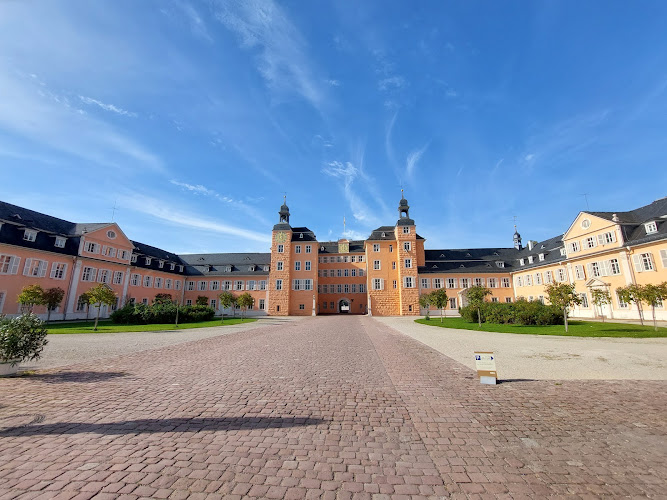
Schwetzingen Palace is one of those places that quietly takes your breath away before you even realize it. Tucked between Heidelberg and Mannheim, this 17th-century masterpiece feels like stepping into a story where art, architecture, and nature decided to collaborate. Originally a modest hunting lodge, it later blossomed into a grand summer residence for the Electors Palatine, Charles III Philip and Charles IV Theodore. And honestly, they had exquisite taste. The palace’s baroque and rococo details shimmer with elegance, but it’s the gardens that truly steal the show—meticulously planned, yet somehow effortlessly beautiful.
Walking through Schwetzingen Palace feels like time travel. You’ll find yourself wandering through ornate halls filled with lavish furnishings and classical sculptures that whisper stories of courtly life. The rococo theater inside is a gem—small, yes, but every inch of it radiates charm and history. I still remember the first time I saw it; I stood there, completely still, imagining the flicker of candlelight and the rustle of silk gowns centuries ago. There’s something deeply human about this place—it’s grand but not intimidating, refined yet inviting.
What really makes Schwetzingen stand out is its garden design. It’s not just a park—it’s a living piece of philosophy. The landscape blends French formal precision with English naturalism, symbolizing the Enlightenment’s ideal of harmony between art and reason. You’ll wander past fountains that sparkle in the sun, mythological statues that peek from behind hedges, and even a mosque-style garden pavilion that reflects the fascination with the exotic during the 18th century. It’s one of those rare places where you can lose hours without realizing it. And maybe that’s the point—to slow down, breathe, and just be.
Key Features
- Rococo Theater: An 18th-century court theater still preserved in its original form, showcasing delicate stucco work and fine acoustics.
- Palace Gardens: A stunning blend of baroque geometry and English landscape design, featuring fountains, sculptures, and themed garden areas.
- Garden Mosque: A unique architectural highlight inspired by Islamic motifs, symbolizing the Enlightenment’s curiosity and cultural openness.
- Art and Antiquities: Lavish interiors with period furniture, portraits, and decorative art pieces that reflect the grandeur of the Electors Palatine.
- Accessibility: Wheelchair-friendly entrances, restrooms, and parking make it comfortable for all visitors.
- Family-Friendly: Discounts for children and families, plus open spaces perfect for a relaxed afternoon stroll.
- Modern Amenities: Paid parking, credit card acceptance, and even mobile payment options for convenience.
What I personally love most about Schwetzingen is how it balances grandeur with intimacy. You can admire the sweeping palace façade one moment and then find yourself sitting quietly by a pond, listening to birdsong the next. It’s a place that doesn’t rush you—it invites you to linger.
Best Time to Visit
If you want the gardens in full bloom, late spring to early summer is pure magic. The air smells faintly of roses, and the fountains sparkle like champagne under the sun. I’ve been there in April when the tulips start showing off, and it’s honestly postcard-perfect. Summer brings more visitors, but also open-air concerts and events that fill the palace grounds with life and music. If you prefer quieter moments, autumn is underrated—the golden leaves add a soft melancholy beauty to the gardens. Winter has its own charm too; the palace looks almost ethereal under a dusting of snow, though some garden areas may be less accessible.
In short, there’s no bad time to visit—just different moods. Spring feels playful, summer feels festive, autumn feels reflective, and winter feels serene. Choose your vibe and go with it.
How to Get There
Schwetzingen Palace sits conveniently between Heidelberg and Mannheim, making it super easy to reach by train, car, or even bicycle if you’re feeling adventurous. From Heidelberg, it’s roughly a 15-minute drive or a short train ride. The Schwetzingen train station is within walking distance of the palace—about ten minutes on foot, depending on how distracted you get by the charming cafés along the way. If you’re driving, there’s a paid parking lot nearby, and it’s well-signposted. I once cycled there from Heidelberg on a warm May afternoon; the route was flat, scenic, and honestly one of the most peaceful rides I’ve ever done.
Public transport in the region is reliable, and the palace is clearly marked on most local maps and apps. If you’re coming from further afield, Mannheim or Heidelberg are your best base cities—they both have excellent connections to major German hubs like Frankfurt, Stuttgart, and Munich.
Tips for Visiting
Here’s where a little planning pays off. Trust me, you’ll want to give yourself at least half a day here—preferably more. The gardens alone can easily take a few hours if you like to wander slowly (and you should). Bring comfortable shoes; the grounds are expansive, and cobblestones can be tricky if you’re not prepared. I learned that the hard way after wearing sandals one summer—beautiful day, sore feet.
Guided tours are worth every minute, especially if you’re into history or architecture. The guides are knowledgeable and often share quirky anecdotes that you’d never find in a brochure. And if you’re into photography, go early in the morning or just before sunset. The light hits the fountains and façades in a way that feels almost cinematic. Don’t rush it—take time to sit on a bench, maybe grab a coffee from a local café, and just soak in the atmosphere. It’s one of those places that rewards stillness.
Families will find it easy to navigate, with plenty of open space for kids to run around. The palace staff are friendly and accommodating, and accessibility features are thoughtfully integrated throughout. If you’re planning a picnic, check the rules in advance—some areas allow it, others don’t. And yes, there’s Wi-Fi nearby, but honestly, you might not even want to check your phone. The beauty here demands your full attention.
Lastly, don’t skip the smaller details. Look up at the ceiling frescoes, notice the symmetry of the hedges, listen to the fountains. Schwetzingen Palace isn’t about rushing from one “sight” to another—it’s about experiencing a rhythm of life that feels slower, more intentional. And maybe that’s what makes it so special. It’s not just another stop on a travel itinerary—it’s a reminder of how art, nature, and time can coexist in perfect balance.
Whether you’re a history lover, a garden enthusiast, or just someone looking for a quiet day surrounded by beauty, Schwetzingen Palace delivers. It’s elegant without being pretentious, peaceful without being dull, and historic without feeling frozen in time. And every time you visit, you’ll notice something new—a sculpture you missed, a reflection in the water, a whisper of the past carried on the breeze. That’s the magic of Schwetzingen—it stays with you, long after you’ve left its gates.
Key Features
- Key Features
- Best Time to Visit
- How to Get There
- Tips for Visiting
More Details
Updated November 30, 2025
Table of Contents
Description
Schwetzingen Palace is one of those places that quietly takes your breath away before you even realize it. Tucked between Heidelberg and Mannheim, this 17th-century masterpiece feels like stepping into a story where art, architecture, and nature decided to collaborate. Originally a modest hunting lodge, it later blossomed into a grand summer residence for the Electors Palatine, Charles III Philip and Charles IV Theodore. And honestly, they had exquisite taste. The palace’s baroque and rococo details shimmer with elegance, but it’s the gardens that truly steal the show—meticulously planned, yet somehow effortlessly beautiful.
Walking through Schwetzingen Palace feels like time travel. You’ll find yourself wandering through ornate halls filled with lavish furnishings and classical sculptures that whisper stories of courtly life. The rococo theater inside is a gem—small, yes, but every inch of it radiates charm and history. I still remember the first time I saw it; I stood there, completely still, imagining the flicker of candlelight and the rustle of silk gowns centuries ago. There’s something deeply human about this place—it’s grand but not intimidating, refined yet inviting.
What really makes Schwetzingen stand out is its garden design. It’s not just a park—it’s a living piece of philosophy. The landscape blends French formal precision with English naturalism, symbolizing the Enlightenment’s ideal of harmony between art and reason. You’ll wander past fountains that sparkle in the sun, mythological statues that peek from behind hedges, and even a mosque-style garden pavilion that reflects the fascination with the exotic during the 18th century. It’s one of those rare places where you can lose hours without realizing it. And maybe that’s the point—to slow down, breathe, and just be.
Key Features
- Rococo Theater: An 18th-century court theater still preserved in its original form, showcasing delicate stucco work and fine acoustics.
- Palace Gardens: A stunning blend of baroque geometry and English landscape design, featuring fountains, sculptures, and themed garden areas.
- Garden Mosque: A unique architectural highlight inspired by Islamic motifs, symbolizing the Enlightenment’s curiosity and cultural openness.
- Art and Antiquities: Lavish interiors with period furniture, portraits, and decorative art pieces that reflect the grandeur of the Electors Palatine.
- Accessibility: Wheelchair-friendly entrances, restrooms, and parking make it comfortable for all visitors.
- Family-Friendly: Discounts for children and families, plus open spaces perfect for a relaxed afternoon stroll.
- Modern Amenities: Paid parking, credit card acceptance, and even mobile payment options for convenience.
What I personally love most about Schwetzingen is how it balances grandeur with intimacy. You can admire the sweeping palace façade one moment and then find yourself sitting quietly by a pond, listening to birdsong the next. It’s a place that doesn’t rush you—it invites you to linger.
Best Time to Visit
If you want the gardens in full bloom, late spring to early summer is pure magic. The air smells faintly of roses, and the fountains sparkle like champagne under the sun. I’ve been there in April when the tulips start showing off, and it’s honestly postcard-perfect. Summer brings more visitors, but also open-air concerts and events that fill the palace grounds with life and music. If you prefer quieter moments, autumn is underrated—the golden leaves add a soft melancholy beauty to the gardens. Winter has its own charm too; the palace looks almost ethereal under a dusting of snow, though some garden areas may be less accessible.
In short, there’s no bad time to visit—just different moods. Spring feels playful, summer feels festive, autumn feels reflective, and winter feels serene. Choose your vibe and go with it.
How to Get There
Schwetzingen Palace sits conveniently between Heidelberg and Mannheim, making it super easy to reach by train, car, or even bicycle if you’re feeling adventurous. From Heidelberg, it’s roughly a 15-minute drive or a short train ride. The Schwetzingen train station is within walking distance of the palace—about ten minutes on foot, depending on how distracted you get by the charming cafés along the way. If you’re driving, there’s a paid parking lot nearby, and it’s well-signposted. I once cycled there from Heidelberg on a warm May afternoon; the route was flat, scenic, and honestly one of the most peaceful rides I’ve ever done.
Public transport in the region is reliable, and the palace is clearly marked on most local maps and apps. If you’re coming from further afield, Mannheim or Heidelberg are your best base cities—they both have excellent connections to major German hubs like Frankfurt, Stuttgart, and Munich.
Tips for Visiting
Here’s where a little planning pays off. Trust me, you’ll want to give yourself at least half a day here—preferably more. The gardens alone can easily take a few hours if you like to wander slowly (and you should). Bring comfortable shoes; the grounds are expansive, and cobblestones can be tricky if you’re not prepared. I learned that the hard way after wearing sandals one summer—beautiful day, sore feet.
Guided tours are worth every minute, especially if you’re into history or architecture. The guides are knowledgeable and often share quirky anecdotes that you’d never find in a brochure. And if you’re into photography, go early in the morning or just before sunset. The light hits the fountains and façades in a way that feels almost cinematic. Don’t rush it—take time to sit on a bench, maybe grab a coffee from a local café, and just soak in the atmosphere. It’s one of those places that rewards stillness.
Families will find it easy to navigate, with plenty of open space for kids to run around. The palace staff are friendly and accommodating, and accessibility features are thoughtfully integrated throughout. If you’re planning a picnic, check the rules in advance—some areas allow it, others don’t. And yes, there’s Wi-Fi nearby, but honestly, you might not even want to check your phone. The beauty here demands your full attention.
Lastly, don’t skip the smaller details. Look up at the ceiling frescoes, notice the symmetry of the hedges, listen to the fountains. Schwetzingen Palace isn’t about rushing from one “sight” to another—it’s about experiencing a rhythm of life that feels slower, more intentional. And maybe that’s what makes it so special. It’s not just another stop on a travel itinerary—it’s a reminder of how art, nature, and time can coexist in perfect balance.
Whether you’re a history lover, a garden enthusiast, or just someone looking for a quiet day surrounded by beauty, Schwetzingen Palace delivers. It’s elegant without being pretentious, peaceful without being dull, and historic without feeling frozen in time. And every time you visit, you’ll notice something new—a sculpture you missed, a reflection in the water, a whisper of the past carried on the breeze. That’s the magic of Schwetzingen—it stays with you, long after you’ve left its gates.

Key Highlights
- Key Features
- Best Time to Visit
- How to Get There
- Tips for Visiting
Location
Places to Stay Near Schwetzingen Palace
Find and Book a Tour
Explore More Travel Guides
No reviews found! Be the first to review!
Traveler Reviews for Schwetzingen Palace
There are no reviews yet. Be the first one to write one.
Have you visited Schwetzingen Palace? Help other travelers by sharing your review.
Find Accommodations Nearby
Recommended Tours & Activities
Visitor Reviews
There are no reviews yet. Be the first one to write one.
Share Your Experience
Have you visited Schwetzingen Palace? Help other travelers by leaving a review.