
Sara Hildén Art Museum
About Sara Hildén Art Museum
Description
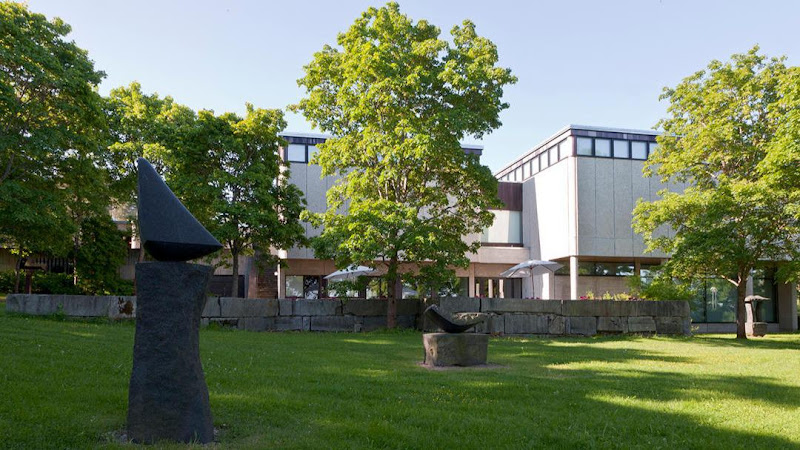
The Sara Hildén Art Museum sits on the water in Tampere, Finland, and offers a quietly compelling mix of contemporary art, thoughtful architecture and an approachable visitor experience. With a collection of roughly 4,500 works, the museum focuses on modern and contemporary art from Finland and abroad, staged across well-lit galleries and punctuated by outdoor sculpture along the waterfront and nearby green spaces. It is not a showy blockbuster palace of art; rather it feels like a confident, carefully curated place where visitors can actually breathe, look and think. The guide of this piece likes that. He thinks less can be more. But already that reveals a bias, so the reader should know: expect serious collecting, occasional surprises, and displays that sometimes ask questions rather than hand down easy answers.
Architecturally the building reads as contemporary without trying too hard. Large windows frame views toward the river and the industrial-historic profile of the Finlayson area, so natural light plays a role in how works are seen. Galleries vary in scale from intimate rooms for smaller pieces to bigger exhibition spaces designed for installations and temporary shows. The design favors calm sightlines and material choices that keep attention on the art, with a balance of neutral gallery surfaces and touches of warmth in public areas such as the café and entrance hall. And yes, on bright days the place glows—photo-friendly, but do check exhibit-specific photo rules once inside.
The collection itself is a calling card. Finnish post-war works sit alongside international contemporary pieces and experimental projects, giving the museum a tone that is both local and outward-looking. This makes the Sara Hildén Art Museum a smart stop for travelers who want to understand contemporary Finnish art in context: here one can see how Finnish artists converse with international movements, and vice versa. Rotating temporary exhibitions bring in new names and curatorial experiments on a regular basis, so repeat visits rarely feel repetitive. The museum also commissions or hosts site-specific projects and public art, so the outdoor sculpture program on the waterfront is more than decorative; it extends the exhibition space outdoors and invites casual encounters with art while walking to or from the museum.
Practical amenities are solid. There is an on-site restaurant and café that caters to realistic traveler expectations—good coffee, light meals, and a place to sit and digest what one has seen. Restrooms are available and the museum provides free Wi-Fi in public zones, which is handy for quick research on artists or to check opening hours for nearby attractions. Accessibility gets taken seriously: wheelchair-accessible entrance, parking and restrooms mean that many visitors with mobility needs can navigate the museum with fewer barriers. Families are welcome; the atmosphere tends to be family-friendly and many displays are suitable—or can be adapted—for younger visitors. Kids will often pick up on sculptures and certain interactive pieces better than grown-ups; this is an unsentimental observation but true.
How long to stay? The short answer: allow two to three hours if you want to see the main collection and a temporary exhibition at a comfortable pace. Those especially keen on certain artists or large installations can easily spend a half day. And if time is tight, the café and a quick walk around the outdoor sculpture circuit will still provide a meaningful taste of the place. The museum’s layout encourages a relaxed visit; it’s not a place for rushing. People who try to sprint through often miss the quieter works that reward slow looking.
Visitor experience is frequently described as thoughtful and contemplative. The curators organize exhibitions that sometimes challenge expectations—there will be shows that are playful and shows that are starkly conceptual. Some visitors love that adventurous programming; others prefer more straightforward presentations. That variety is deliberate. The museum supports research, talks and occasional performance or film programming, so if a traveler has a flexible schedule, checking what’s on in advance can turn a routine museum stop into a memorable cultural encounter.
There are a few little inside things visitors usually appreciate: the museum sits near pleasant outdoor spaces that invite a pause after galleries; the way natural light is used in certain galleries creates moments when even ordinary objects feel cinematic; and the staff are often helpful about suggesting which exhibitions to prioritize during a short visit. On busy days the café can get full and some galleries may feel crowded—especially during major temporary exhibitions or special events—but compared with major city museums it still feels manageable. Expect a mostly positive atmosphere with a few moments of queueing at the entrance when a big show is on.
Seasonal variation matters here. In summer the waterside setting becomes a real asset: outdoor sculptures catch sun and people stroll between the museum and nearby parks. Winter brings a very different mood—short, cold days and warm interior light make the galleries intimate and slow-paced, which many art lovers prefer. The museum’s location lends itself to mixing indoor art time with short outdoor walks, depending on the season and the visitor’s tolerance for Finnish weather.
For travelers who care about combining cultural stops, the Sara Hildén Art Museum sits conveniently near the Finlayson area, an industrial-heritage neighborhood with cafes, design shops and independent galleries. Strolling from one spot to another is easy and often rewarding, especially for those who like architecture and urban history. The nearby park areas are good for stretching legs after a long train ride or a day of walking around Tampere. Local guides sometimes recommend pairing a museum visit with a leisurely meal in the area, or with a scenic walk along the river. The museum’s restaurant makes that easy if the traveler wants art and food in one outing.
Practical hints embedded in the description: photography policies can vary by exhibition, so a quick check at the front desk saves awkward conversations. Audio guides or docent-led tours are offered at times; they provide extra context and can turn a casual visit into a deeper learning moment. The museum is aimed at both locals and tourists, so signage in English is generally good and staff can usually assist in multiple languages. Gift-shop selections reflect the museum’s focus: art books, prints and items that make useful cultural souvenirs without being cliché tourist tat.
Finally, a candid note on expectations. The Sara Hildén Art Museum is a place where art sometimes raises questions and occasionally refuses to be instantly likable. That’s part of its strength. Visitors seeking blockbuster retrospectives may find some exhibitions leaner and more experimental, while those who love discovery and contemporary conversations will be rewarded. The overall mood is curated, thoughtful and often quietly ambitious. Travelers who give the museum the time it asks for will likely leave with something to think about, and often with an image or two that lingers after they have left Tampere.
Key Features
Sara Hildén Art Museum
Tours & Activities
GetYourGuide provides this tour inventory. We may earn a commission if you book through it; verify current availability, prices, and terms with the provider.
Visitor Reviews
There are no reviews yet. Be the first one to write one.
Share Your Experience
Have you visited Sara Hildén Art Museum? Help other travelers by leaving a review.