About Santo Antão Church

History and Significance

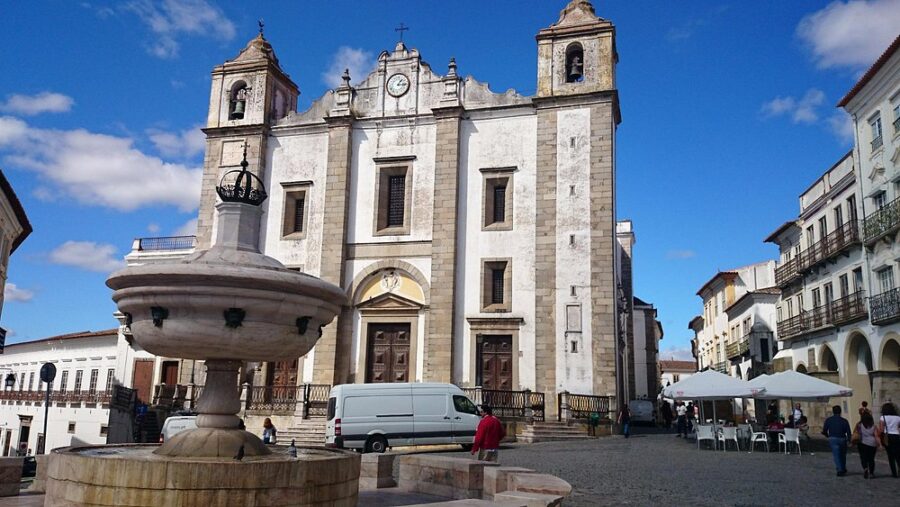
Santo Antão Church The Santo Antão Church has a deep-rooted history, dating back to the 16th century. Initially constructed in 1557, this church in Évora was built under the direction of the architect Miguel de Arruda. It showcases a blend of Roman and Renaissance styles, making it a significant structure in the Alentejo region. The church was originally an old chapel that underwent various renovations, particularly after the devastating earthquake of 1755, which altered many buildings in the area. Its historical significance is further emphasized by its location in the main square, Praça do Giraldo, where it has served as a religious and community hub for centuries. As you explore the Santo Antão Church, you can appreciate its architectural beauty and the stories it holds. The church's dedication to St. Anthony reflects the importance of religious practices in the lives of the local community. It has witnessed countless ceremonies and gatherings, solidifying its role as a pillar of faith. The intricate design elements, such as the gilded chancel and stunning arches, are a testament to the craftsmanship of the era. The church stands as a reminder of the city’s heritage, making it a must-visit for anyone exploring Évora.

Main Attractions and Activities

When visiting the Santo Antão Church, there are several attractions and activities that you won’t want to miss. The interior of the church is adorned with beautiful Baroque altars, intricate artwork, and stunning stained glass windows that illuminate the sacred space. Visitors can take a leisurely stroll through the main square in Évora, where the church is located, and soak in the vibrant atmosphere of the city. Additionally, the church often hosts religious services, providing an opportunity for visitors to experience local traditions firsthand. Besides its religious significance, the church is a fantastic spot for photography enthusiasts. The blend of architectural styles, including the Manuel style, creates a visually striking backdrop. For those interested in history, the church offers a glimpse into the past, showcasing how architecture has evolved over the centuries. Engaging with local guides can enhance your experience, as they provide fascinating insights into the church's history and the significance of its artistic elements.

Visitor Experience

Visitors to the Santo Antão Church often describe their experience as awe-inspiring and enriching. The serene atmosphere within the church allows for quiet reflection, making it an ideal place for contemplation. The friendly staff and local parishioners often greet visitors with warmth, sharing stories and insights about the church’s significance in the community. The church's location in the main square makes it easily accessible, allowing tourists to seamlessly integrate it into their exploration of Évora. Many guests take the time to admire the intricate details of the church’s interior, from the stunning arches to the beautifully gilded altar. The ambiance is calming, providing a peaceful retreat from the bustling city life outside. Additionally, the church’s historical context adds depth to the visit, as one can appreciate the centuries of faith and tradition that have taken place within its walls. Overall, the visitor experience at the Santo Antão Church is not just about sightseeing; it’s about connecting with a piece of Portugal’s rich cultural and religious heritage.

Tips for Visitors

If you plan to visit the Santo Antão Church, it’s helpful to keep a few tips in mind to enhance your experience. First, consider visiting during weekdays when the church is less crowded, allowing for a more intimate experience. Early mornings or late afternoons are ideal times to capture beautiful photographs, as the light streaming through the stained glass creates a magical effect. Additionally, dress modestly to show respect for the sacred space, especially if you plan to attend a service or religious event. Don’t forget to take advantage of guided tours offered in the area. Local guides can provide valuable insights into the church's history and significance, enriching your understanding of the site. Also, be sure to explore the surrounding Praça do Giraldo, where you can enjoy a coffee or a snack at one of the nearby cafes while soaking in the lively atmosphere of the city. Lastly, take your time to appreciate the beauty of the church's interior and its historical context, making your visit a memorable one.

Accessibility and Facilities

The Santo Antão Church is designed to be accessible to all visitors. Located in the main square of Évora, it is easily reachable by foot, making it convenient for those exploring the city. The church offers facilities that cater to visitors with mobility challenges, ensuring that everyone can appreciate its beauty and historical significance. Additionally, there are nearby parking options for those who prefer to drive. Inside the church, the layout is spacious, allowing for comfortable navigation. Restrooms are available for visitors, making it a convenient stop during your exploration of the area. Information panels are also placed throughout the church, providing insights into its history and architectural features. Overall, the Santo Antão Church strives to create a welcoming environment for all, ensuring that everyone can enjoy this beautiful piece of Évora’s heritage.

Unique Features

The Santo Antão Church boasts several unique features that set it apart from other churches in the region. One of the standout elements is its stunning Renaissance architecture, showcasing a blend of Roman influences and intricate design. The church's facade is adorned with beautiful arches and detailed ornamentation, making it a visual delight for visitors. Inside, the Baroque altars and gilded decorations create a sense of opulence that captivates the eye. Another distinctive aspect of the church is its rich history, particularly its role in the community since the 16th century. The church has witnessed many significant events, including religious ceremonies and cultural gatherings, which have shaped the identity of Évora. The preservation of its original features, despite renovations and repairs, allows visitors to step back in time and appreciate the craftsmanship of the era. These unique characteristics make the Santo Antão Church an essential stop on any journey through Évora.

Overall Impressions

Overall, the Santo Antão Church leaves a lasting impression on visitors. Its historical significance, stunning architecture, and serene atmosphere create a unique experience that resonates with people of all backgrounds. The church stands as a testament to the rich cultural heritage of Évora and offers a glimpse into the spiritual life of the community. Many visitors leave feeling inspired and enriched by their time spent in this remarkable place. As you take in the beauty of the church and its surroundings, it's easy to understand why so many people are drawn to this landmark. The blend of history, artistry, and spirituality creates an environment that invites contemplation and appreciation. Whether you're a history buff, an art lover, or simply someone looking for a peaceful moment, the Santo Antão Church provides a memorable experience that lingers long after your visit.

Pros and Cons

When considering a visit to the Santo Antão Church, it's essential to weigh the pros and cons. On the positive side, the church's stunning architecture and historical significance make it a must-see attraction in Évora. Its central location in the main square allows for easy access, and the serene atmosphere offers a peaceful retreat from the bustling city. Visitors often appreciate the friendly staff and informative resources available, enhancing their overall experience. On the downside, some visitors may find that the church can become crowded during peak tourist seasons, which might detract from the tranquil experience. Additionally, while the church is generally accessible, some areas may pose challenges for individuals with mobility issues. Overall, the benefits of visiting the Santo Antão Church far outweigh any minor inconveniences, making it a rewarding destination for anyone exploring the rich history of Évora.

Key Features

  • History and Significance
  • Main Attractions and Activities
  • Visitor Experience
  • Tips for Visitors
  • Accessibility and Facilities
  • Unique Features

More Details

Updated May 30, 2025

History and Significance

Santo Antão Church

The Santo Antão Church has a deep-rooted history, dating back to the 16th century. Initially constructed in 1557, this church in Évora was built under the direction of the architect Miguel de Arruda. It showcases a blend of Roman and Renaissance styles, making it a significant structure in the Alentejo region. The church was originally an old chapel that underwent various renovations, particularly after the devastating earthquake of 1755, which altered many buildings in the area. Its historical significance is further emphasized by its location in the main square, Praça do Giraldo, where it has served as a religious and community hub for centuries.

As you explore the Santo Antão Church, you can appreciate its architectural beauty and the stories it holds. The church’s dedication to St. Anthony reflects the importance of religious practices in the lives of the local community. It has witnessed countless ceremonies and gatherings, solidifying its role as a pillar of faith. The intricate design elements, such as the gilded chancel and stunning arches, are a testament to the craftsmanship of the era. The church stands as a reminder of the city’s heritage, making it a must-visit for anyone exploring Évora.

Main Attractions and Activities

When visiting the Santo Antão Church, there are several attractions and activities that you won’t want to miss. The interior of the church is adorned with beautiful Baroque altars, intricate artwork, and stunning stained glass windows that illuminate the sacred space. Visitors can take a leisurely stroll through the main square in Évora, where the church is located, and soak in the vibrant atmosphere of the city. Additionally, the church often hosts religious services, providing an opportunity for visitors to experience local traditions firsthand.

Besides its religious significance, the church is a fantastic spot for photography enthusiasts. The blend of architectural styles, including the Manuel style, creates a visually striking backdrop. For those interested in history, the church offers a glimpse into the past, showcasing how architecture has evolved over the centuries. Engaging with local guides can enhance your experience, as they provide fascinating insights into the church’s history and the significance of its artistic elements.

Visitor Experience

Visitors to the Santo Antão Church often describe their experience as awe-inspiring and enriching. The serene atmosphere within the church allows for quiet reflection, making it an ideal place for contemplation. The friendly staff and local parishioners often greet visitors with warmth, sharing stories and insights about the church’s significance in the community. The church’s location in the main square makes it easily accessible, allowing tourists to seamlessly integrate it into their exploration of Évora.

Many guests take the time to admire the intricate details of the church’s interior, from the stunning arches to the beautifully gilded altar. The ambiance is calming, providing a peaceful retreat from the bustling city life outside. Additionally, the church’s historical context adds depth to the visit, as one can appreciate the centuries of faith and tradition that have taken place within its walls. Overall, the visitor experience at the Santo Antão Church is not just about sightseeing; it’s about connecting with a piece of Portugal’s rich cultural and religious heritage.

Tips for Visitors

If you plan to visit the Santo Antão Church, it’s helpful to keep a few tips in mind to enhance your experience. First, consider visiting during weekdays when the church is less crowded, allowing for a more intimate experience. Early mornings or late afternoons are ideal times to capture beautiful photographs, as the light streaming through the stained glass creates a magical effect. Additionally, dress modestly to show respect for the sacred space, especially if you plan to attend a service or religious event.

Don’t forget to take advantage of guided tours offered in the area. Local guides can provide valuable insights into the church’s history and significance, enriching your understanding of the site. Also, be sure to explore the surrounding Praça do Giraldo, where you can enjoy a coffee or a snack at one of the nearby cafes while soaking in the lively atmosphere of the city. Lastly, take your time to appreciate the beauty of the church’s interior and its historical context, making your visit a memorable one.

Accessibility and Facilities

The Santo Antão Church is designed to be accessible to all visitors. Located in the main square of Évora, it is easily reachable by foot, making it convenient for those exploring the city. The church offers facilities that cater to visitors with mobility challenges, ensuring that everyone can appreciate its beauty and historical significance. Additionally, there are nearby parking options for those who prefer to drive.

Inside the church, the layout is spacious, allowing for comfortable navigation. Restrooms are available for visitors, making it a convenient stop during your exploration of the area. Information panels are also placed throughout the church, providing insights into its history and architectural features. Overall, the Santo Antão Church strives to create a welcoming environment for all, ensuring that everyone can enjoy this beautiful piece of Évora’s heritage.

Unique Features

The Santo Antão Church boasts several unique features that set it apart from other churches in the region. One of the standout elements is its stunning Renaissance architecture, showcasing a blend of Roman influences and intricate design. The church’s facade is adorned with beautiful arches and detailed ornamentation, making it a visual delight for visitors. Inside, the Baroque altars and gilded decorations create a sense of opulence that captivates the eye.

Another distinctive aspect of the church is its rich history, particularly its role in the community since the 16th century. The church has witnessed many significant events, including religious ceremonies and cultural gatherings, which have shaped the identity of Évora. The preservation of its original features, despite renovations and repairs, allows visitors to step back in time and appreciate the craftsmanship of the era. These unique characteristics make the Santo Antão Church an essential stop on any journey through Évora.

Overall Impressions

Overall, the Santo Antão Church leaves a lasting impression on visitors. Its historical significance, stunning architecture, and serene atmosphere create a unique experience that resonates with people of all backgrounds. The church stands as a testament to the rich cultural heritage of Évora and offers a glimpse into the spiritual life of the community. Many visitors leave feeling inspired and enriched by their time spent in this remarkable place.

As you take in the beauty of the church and its surroundings, it’s easy to understand why so many people are drawn to this landmark. The blend of history, artistry, and spirituality creates an environment that invites contemplation and appreciation. Whether you’re a history buff, an art lover, or simply someone looking for a peaceful moment, the Santo Antão Church provides a memorable experience that lingers long after your visit.

Pros and Cons

When considering a visit to the Santo Antão Church, it’s essential to weigh the pros and cons. On the positive side, the church’s stunning architecture and historical significance make it a must-see attraction in Évora. Its central location in the main square allows for easy access, and the serene atmosphere offers a peaceful retreat from the bustling city. Visitors often appreciate the friendly staff and informative resources available, enhancing their overall experience.

On the downside, some visitors may find that the church can become crowded during peak tourist seasons, which might detract from the tranquil experience. Additionally, while the church is generally accessible, some areas may pose challenges for individuals with mobility issues. Overall, the benefits of visiting the Santo Antão Church far outweigh any minor inconveniences, making it a rewarding destination for anyone exploring the rich history of Évora.

Key Highlights

  • History and Significance
  • Main Attractions and Activities
  • Visitor Experience
  • Tips for Visitors
  • Accessibility and Facilities
  • Unique Features

Location

Places to Stay Near Santo Antão Church

Find and Book a Tour

Explore More Travel Guides

No reviews found! Be the first to review!

Traveler Reviews for Santo Antão Church

There are no reviews yet. Be the first one to write one.

Share Your Experience

Have you visited Santo Antão Church? Help other travelers by sharing your review.

Find Accommodations Nearby

Recommended Tours & Activities

Visitor Reviews

There are no reviews yet. Be the first one to write one.

Share Your Experience

Have you visited Santo Antão Church? Help other travelers by leaving a review.