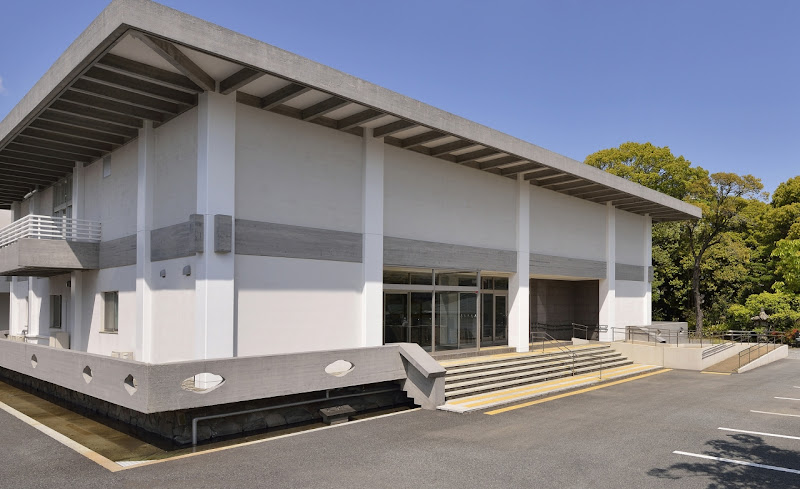
It’s not a massive, overwhelming gallery where you’re lost in endless corridors. Instead, it’s compact, thoughtfully arranged, and focused mainly on Japanese art. That makes the visit feel more personal, more digestible, and honestly, more enjoyable if you’re the type who doesn’t want to spend an entire afternoon deciphering wall text. What makes it stand out is the way it balances tradition with accessibility—you don’t have to be an art historian to appreciate what’s on display here.
One of the museum’s quiet surprises is the circuit-style garden outside. I’ve always thought gardens like this are underrated. They’re not just pretty backdrops for photos; they’re designed to be experienced as you walk through them, each turn revealing a new perspective. It’s a refreshing counterpart to the indoor galleries, and it gives you a chance to reset your mind between exhibits. I’ve found that after a stroll through the garden, the art inside feels even more alive.
The museum has earned plenty of admiration for its intimate atmosphere and thoughtful curation. People who go in expecting a blockbuster-style museum sometimes leave feeling it’s smaller than they imagined, but that’s also its charm. It’s the kind of place where you can actually see everything without rushing, and still have time to sit quietly in the garden afterward. It’s not perfect—no museum is—but it has a warmth and sincerity that makes it worth the trip.
Best Time to Visit
Timing matters more than you might think here. The museum has a steady flow of visitors, but it never feels like a tourist stampede. Weekdays are generally calmer, especially in the mornings, and that’s when I’d recommend going if you want a more contemplative experience. The garden is particularly striking in spring when the greenery is fresh and bright, or in autumn when the colors shift into warm reds and golds. Personally, I love visiting during the quieter shoulder seasons—it feels like the museum and garden belong to you for a little while.
If you’re hoping to catch a special exhibition, it’s worth checking the schedule in advance. Some of the temporary shows draw more attention and can make weekends buzzier than usual. But even then, the crowds are manageable compared to larger city museums.
How to Get There
Reaching the Sano Art Museum is pretty straightforward, and that’s part of its appeal. Travelers coming by train will find it’s a short walk from the nearest station, which makes it easy to fold into a day trip itinerary. If you’re driving, the on-site parking is free and convenient—something you don’t always get at cultural attractions. I’ve driven there myself, and it’s a relief not to stress about finding a spot or paying extra fees. The museum’s location makes it accessible without being smack in the middle of a hectic urban center, so the journey itself feels relaxed.
For international visitors, public transport is reliable and easy to navigate, even if your Japanese isn’t perfect. And if you’re traveling with kids or older family members, the accessibility features make the logistics smoother than you might expect.
Tips for Visiting
Here’s the thing: the Sano Art Museum isn’t about rushing through. It rewards a slower pace. Give yourself time to wander the galleries, then step outside to the garden and let the experience sink in. I once spent nearly half an hour just sitting on a bench, watching the light shift across the trees—it was one of those small travel moments that stuck with me longer than I expected.
Because there isn’t a restaurant on-site, it’s smart to plan your meals ahead. I usually grab a bite nearby before or after my visit. Bringing a bottle of water is also a good idea, especially if you’re exploring the garden on a warm day. Families will be glad to know that the museum is kid-friendly, so you don’t have to worry about little ones feeling out of place. And if accessibility is a concern, the wheelchair rentals and accessible restrooms make it a practical stop for travelers with mobility needs.
One last tip: don’t treat it like a checklist stop. The museum’s size might tempt you to breeze through, but it’s the kind of place where the details matter. Pause in front of a piece that catches your eye, even if you don’t fully understand it. Let the garden slow you down. That’s how you get the most out of this museum—not by seeing everything quickly, but by letting it linger with you afterward.
 Real Journey Travels