

Sandakan Central Market
About Sandakan Central Market
Description
Sandakan Central Market is one of those places that tells you more about a town in one hour than a guidebook ever could. It sits close to the water, smelling faintly of salt, fish, and ripe tropical fruit, and it feels unapologetically real. This is not a polished tourist mall pretending to be a market. It’s a working market first, and a visitor attraction second. And honestly, that’s exactly why travelers end up loving it.
The market spreads across several levels, each with its own personality. Downstairs is where the action hits you hardest. Fresh seafood glistens on ice, fishermen unload their catch, and sellers call out prices with the confidence of people who do this every single day. Upstairs, the pace slows a bit. You’ll find produce stalls, dried goods, snacks, and everyday items locals actually buy. It’s a snapshot of daily life in Sandakan, unfiltered.
What stands out is the mix of reactions visitors have. Some adore the rawness, the chaos, the sensory overload. Others feel a little overwhelmed, especially if they’re not used to wet markets. Both reactions are valid. This place isn’t trying to charm you; it just is. And I remember thinking, on my first visit, that this market doesn’t care whether you’re impressed. That’s oddly refreshing.
For travelers interested in food culture, this market is gold. You’ll see seafood you can’t name without Googling later, fruits you might be too scared to try at first (do it anyway), and cuts of fish prepared in ways you’ve probably never seen. And yes, some areas smell strong. That’s part of the deal. Real markets do that.
Accessibility is better than many Southeast Asian markets, which surprised me. There’s wheelchair access and basic amenities like restrooms, making it more manageable for a wider range of visitors. It’s busy, sometimes loud, and occasionally messy, but it’s also honest. And honesty travels well.
Key Features
- Fresh seafood section showcasing daily catches from the Sulu Sea, including prawns, squid, crabs, and reef fish
- Produce stalls selling local fruits like durian, mangosteen, rambutan, and bananas you didn’t know existed
- Separate wet and dry areas, which helps keep things somewhat organized (emphasis on somewhat)
- Upper levels with dried seafood, spices, snacks, and everyday household goods
- Early-morning buzz when fishermen arrive and traders move fast
- Wheelchair-accessible entrance and parking, not always a given in markets like this
- Onsite restrooms for visitors, which you’ll appreciate after wandering around awhile
- Opportunities to observe real bargaining and local commerce in action
- Photo opportunities if you’re respectful and quick about it
Best Time to Visit
If you want the market at its most alive, go early. And I mean early-early. Between 6:00 and 8:00 in the morning is when the seafood section is at its peak. That’s when the fish looks its best, the sellers are fully engaged, and the whole place hums with purpose. I once showed up at 7:15 a.m., half-awake, and within minutes felt more alert than coffee ever made me.
Late morning is still fine, especially if you’re not keen on crowds or strong smells. By then, some of the best seafood might be gone, but the produce stalls are still well-stocked, and the atmosphere is calmer. Afternoon visits are quieter, though parts of the market may start winding down. It’s less intense, but also less exciting.
Avoid peak heat if you can. Sandakan gets warm and humid, and walking through a busy market at midday can feel like a workout you didn’t sign up for. Rainy days are interesting, though. The market keeps going, water dripping, people adapting. It’s oddly poetic, but bring sandals you don’t love too much.
How to Get There
Getting to Sandakan Central Market is straightforward, especially if you’re staying in town. Most hotels and guesthouses are a short drive away, and taxis know the place without explanation. If you enjoy walking and don’t mind the heat, it’s reachable on foot from several central areas. Just take your time, and watch for traffic.
Public transport can get you close, though routes and schedules aren’t always obvious if you’re new to the city. Asking locals helps. People here are generally friendly, and even if the directions are delivered with enthusiastic hand gestures and half-familiar street names, you’ll get there.
I once followed a local vendor’s directions that involved “turn left at the old tree that’s not there anymore.” Somehow, it worked. That’s Sandakan for you.
Tips for Visiting
First tip: wear shoes you can wash. This is not the place for your fancy sneakers. The floors can be wet, especially in the seafood area, and things splash. Accept it. You’ll be happier.
Second, bring small bills. Vendors appreciate it, and it makes transactions smoother. Bargaining exists, but it’s subtle. Don’t push too hard. Prices are generally fair, and aggressive haggling feels out of place here.
If you want to take photos, ask first or be discreet. Most sellers don’t mind, but respect goes a long way. A smile helps. A lot, actually.
Try something new. Maybe a fruit you’ve never heard of or a snack that smells questionable but tastes amazing. I once hesitated over a local delicacy, then tried it, and spent the rest of the day thinking about why I ever doubted it. Travel does that to you.
And lastly, pace yourself. This market can be intense, especially if it’s your first wet market experience. Step outside, breathe, then go back in if you want. There’s no rule saying you have to see everything in one go.
Sandakan Central Market isn’t perfect, polished, or designed to impress. But it offers something better: a real look at how the city eats, trades, and lives. For travelers who value authenticity over comfort, it’s a stop worth making. And even if you’re not sure at first, give it a chance. It tends to grow on you, slowly, like a story you didn’t expect to enjoy but end up retelling anyway.
Key Features
- Fresh seafood section showcasing daily catches from the Sulu Sea, including prawns, squid, crabs, and reef fish
- Produce stalls selling local fruits like durian, mangosteen, rambutan, and bananas you didn’t know existed
- Separate wet and dry areas, which helps keep things somewhat organized (emphasis on somewhat)
- Upper levels with dried seafood, spices, snacks, and everyday household goods
- Early-morning buzz when fishermen arrive and traders move fast
- Wheelchair-accessible entrance and parking, not always a given in markets like this
- Onsite restrooms for visitors, which you’ll appreciate after wandering around awhile
- Opportunities to observe real bargaining and local commerce in action
More Details
Updated December 31, 2025
Table of Contents
Description
Sandakan Central Market is one of those places that tells you more about a town in one hour than a guidebook ever could. It sits close to the water, smelling faintly of salt, fish, and ripe tropical fruit, and it feels unapologetically real. This is not a polished tourist mall pretending to be a market. It’s a working market first, and a visitor attraction second. And honestly, that’s exactly why travelers end up loving it.
The market spreads across several levels, each with its own personality. Downstairs is where the action hits you hardest. Fresh seafood glistens on ice, fishermen unload their catch, and sellers call out prices with the confidence of people who do this every single day. Upstairs, the pace slows a bit. You’ll find produce stalls, dried goods, snacks, and everyday items locals actually buy. It’s a snapshot of daily life in Sandakan, unfiltered.
What stands out is the mix of reactions visitors have. Some adore the rawness, the chaos, the sensory overload. Others feel a little overwhelmed, especially if they’re not used to wet markets. Both reactions are valid. This place isn’t trying to charm you; it just is. And I remember thinking, on my first visit, that this market doesn’t care whether you’re impressed. That’s oddly refreshing.
For travelers interested in food culture, this market is gold. You’ll see seafood you can’t name without Googling later, fruits you might be too scared to try at first (do it anyway), and cuts of fish prepared in ways you’ve probably never seen. And yes, some areas smell strong. That’s part of the deal. Real markets do that.
Accessibility is better than many Southeast Asian markets, which surprised me. There’s wheelchair access and basic amenities like restrooms, making it more manageable for a wider range of visitors. It’s busy, sometimes loud, and occasionally messy, but it’s also honest. And honesty travels well.
Key Features
- Fresh seafood section showcasing daily catches from the Sulu Sea, including prawns, squid, crabs, and reef fish
- Produce stalls selling local fruits like durian, mangosteen, rambutan, and bananas you didn’t know existed
- Separate wet and dry areas, which helps keep things somewhat organized (emphasis on somewhat)
- Upper levels with dried seafood, spices, snacks, and everyday household goods
- Early-morning buzz when fishermen arrive and traders move fast
- Wheelchair-accessible entrance and parking, not always a given in markets like this
- Onsite restrooms for visitors, which you’ll appreciate after wandering around awhile
- Opportunities to observe real bargaining and local commerce in action
- Photo opportunities if you’re respectful and quick about it
Best Time to Visit
If you want the market at its most alive, go early. And I mean early-early. Between 6:00 and 8:00 in the morning is when the seafood section is at its peak. That’s when the fish looks its best, the sellers are fully engaged, and the whole place hums with purpose. I once showed up at 7:15 a.m., half-awake, and within minutes felt more alert than coffee ever made me.
Late morning is still fine, especially if you’re not keen on crowds or strong smells. By then, some of the best seafood might be gone, but the produce stalls are still well-stocked, and the atmosphere is calmer. Afternoon visits are quieter, though parts of the market may start winding down. It’s less intense, but also less exciting.
Avoid peak heat if you can. Sandakan gets warm and humid, and walking through a busy market at midday can feel like a workout you didn’t sign up for. Rainy days are interesting, though. The market keeps going, water dripping, people adapting. It’s oddly poetic, but bring sandals you don’t love too much.
How to Get There
Getting to Sandakan Central Market is straightforward, especially if you’re staying in town. Most hotels and guesthouses are a short drive away, and taxis know the place without explanation. If you enjoy walking and don’t mind the heat, it’s reachable on foot from several central areas. Just take your time, and watch for traffic.
Public transport can get you close, though routes and schedules aren’t always obvious if you’re new to the city. Asking locals helps. People here are generally friendly, and even if the directions are delivered with enthusiastic hand gestures and half-familiar street names, you’ll get there.
I once followed a local vendor’s directions that involved “turn left at the old tree that’s not there anymore.” Somehow, it worked. That’s Sandakan for you.
Tips for Visiting
First tip: wear shoes you can wash. This is not the place for your fancy sneakers. The floors can be wet, especially in the seafood area, and things splash. Accept it. You’ll be happier.
Second, bring small bills. Vendors appreciate it, and it makes transactions smoother. Bargaining exists, but it’s subtle. Don’t push too hard. Prices are generally fair, and aggressive haggling feels out of place here.
If you want to take photos, ask first or be discreet. Most sellers don’t mind, but respect goes a long way. A smile helps. A lot, actually.
Try something new. Maybe a fruit you’ve never heard of or a snack that smells questionable but tastes amazing. I once hesitated over a local delicacy, then tried it, and spent the rest of the day thinking about why I ever doubted it. Travel does that to you.
And lastly, pace yourself. This market can be intense, especially if it’s your first wet market experience. Step outside, breathe, then go back in if you want. There’s no rule saying you have to see everything in one go.
Sandakan Central Market isn’t perfect, polished, or designed to impress. But it offers something better: a real look at how the city eats, trades, and lives. For travelers who value authenticity over comfort, it’s a stop worth making. And even if you’re not sure at first, give it a chance. It tends to grow on you, slowly, like a story you didn’t expect to enjoy but end up retelling anyway.
Key Highlights
- Fresh seafood section showcasing daily catches from the Sulu Sea, including prawns, squid, crabs, and reef fish
- Produce stalls selling local fruits like durian, mangosteen, rambutan, and bananas you didn’t know existed
- Separate wet and dry areas, which helps keep things somewhat organized (emphasis on somewhat)
- Upper levels with dried seafood, spices, snacks, and everyday household goods
- Early-morning buzz when fishermen arrive and traders move fast
- Wheelchair-accessible entrance and parking, not always a given in markets like this
- Onsite restrooms for visitors, which you’ll appreciate after wandering around awhile
- Opportunities to observe real bargaining and local commerce in action
Location
Places to Stay Near Sandakan Central Market
Find and Book a Tour
Explore More Travel Guides
No reviews found! Be the first to review!
Traveler Reviews for Sandakan Central Market
There are no reviews yet. Be the first one to write one.
Have you visited Sandakan Central Market? Help other travelers by sharing your review.
You Might Also Like
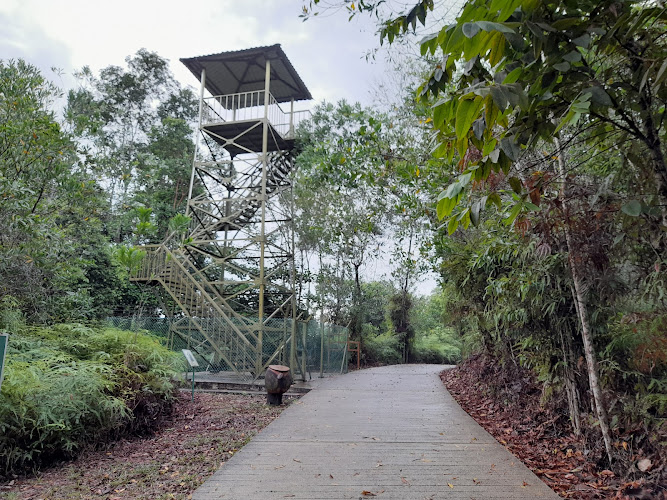
Sandakan Rainforest Park
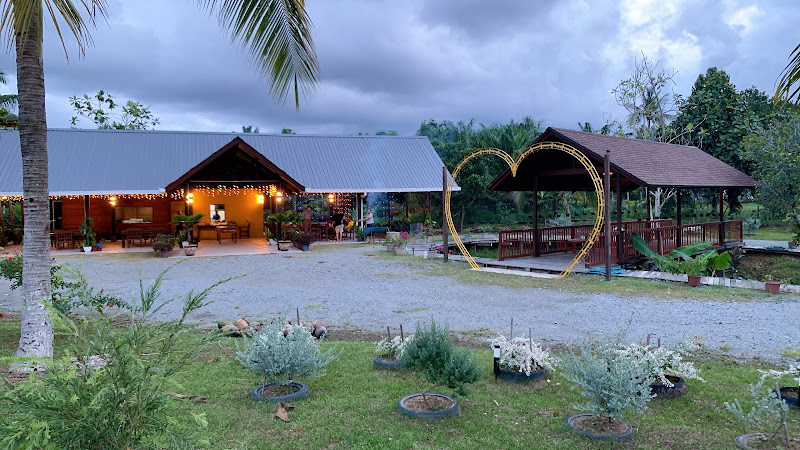
The Airport Garden Sandakan
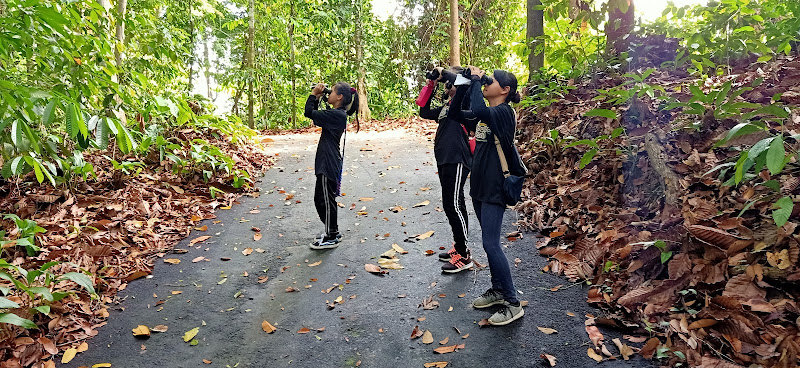
Rainforest Discovery Centre (RDC)
Find Accommodations Nearby
Recommended Tours & Activities
Visitor Reviews
There are no reviews yet. Be the first one to write one.
Share Your Experience
Have you visited Sandakan Central Market? Help other travelers by leaving a review.