
San Elijo Lagoon and Ecological Reserve
About San Elijo Lagoon and Ecological Reserve
Description
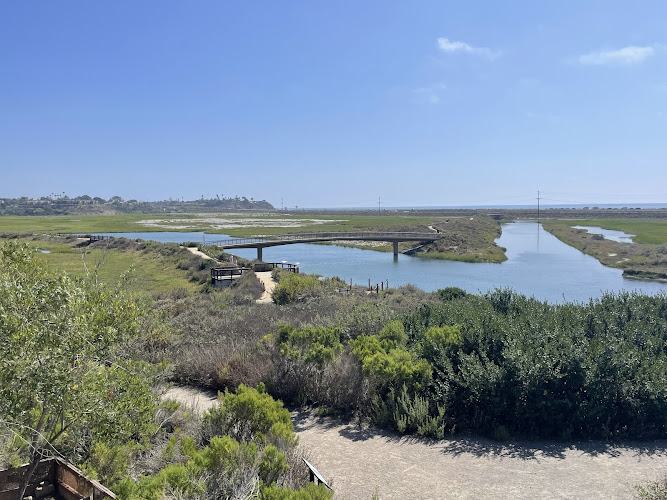
San Elijo Lagoon Ecological Reserve is one of those places where you can slow down and actually hear yourself think. Stretching across more than 700 acres of wetlands and coastal habitats, it’s a rare pocket of wildness sandwiched between the lively beach towns of Encinitas and Solana Beach. The reserve is a blend of salt marsh, freshwater marsh, riparian woodlands, and coastal sage scrub, which means you’ll spot a surprising mix of plants and animals. If you’re into birdwatching, this is practically paradise—migratory waterfowl, egrets, and even the occasional osprey make appearances. I once stood on the trail with binoculars and counted over a dozen species in less than an hour, and I’m not even what you’d call a hardcore birder.
The trails, about seven miles in total, range from easy, flat walks to slightly more rugged paths that wind through the reserve. Families often bring kids here since the hikes are short enough to keep little legs from getting cranky, and the visitor center adds a fun learning element with interactive exhibits overlooking the lagoon. Accessibility is thoughtfully considered too, with wheelchair-friendly parking and paths that make it possible for more people to enjoy the scenery. And yes, you can bring your dog along, which is always a win in my book.
Not every visit is perfect—sometimes the water levels are low or the mosquitos decide to crash your hike—but overall, the sense of peace here outweighs the small inconveniences. It’s the kind of place that grows on you the more you explore, and if you’re traveling through coastal San Diego County, skipping it would honestly feel like missing out on a piece of the region’s natural soul.
Key Features
- Over 7 miles of hiking trails with varying difficulty levels
- Visitor center with exhibits, educational programs, and lagoon views
- Diverse habitats: salt marsh, freshwater marsh, riparian woodlands, and coastal sage scrub
- Excellent birdwatching opportunities, especially during migration seasons
- Family-friendly and kid-approved trails
- Dog-friendly (on leash)
- Wheelchair-accessible parking and paths
- Public restrooms available at the nature center
Best Time to Visit
If you ask me, fall mornings are the sweet spot. The air is crisp, the trails are quiet, and the migratory birds are just arriving. Winter is also lovely—cooler temps make walking feel effortless, and the lagoon fills up with waterfowl. Spring brings bursts of wildflowers along the trails, which adds a whole new layer of beauty. Summer afternoons, though? They can be hot and a bit buggy, so if that’s your only chance to go, aim for an early morning stroll. And tide cycles matter too—at high tide, the lagoon feels alive with movement, while low tide exposes mudflats where shorebirds poke around for food. Each season has its perks, so it really depends on what kind of experience you’re after.
How to Get There
The reserve is easy to reach from the main coastal highway, tucked right between Encinitas and Solana Beach. If you’re driving, there’s a parking lot near the visitor center, and it doesn’t take long to find it once you’re off the freeway. Public transit is an option too, with bus routes that stop within walking distance, though it’s not quite as seamless as driving. Cyclists often ride in from the coast, locking up their bikes before hitting the trails. Personally, I like to combine a visit with a beach day—morning hike at the lagoon, then lunch and sand in my toes by the afternoon.
Tips for Visiting
A few things I’ve learned after multiple visits: bring water, even if you think you won’t need it. The sun reflects off the water, and it can feel hotter than you expect. Wear comfortable shoes—most trails are flat, but a couple can get sandy or uneven. If you’re into photography, sunrise and sunset light up the lagoon in ways that make it look like a painting. And don’t rush through the visitor center; the exhibits are surprisingly engaging, especially if you’re curious about the history of the wetlands.
If you’re traveling with kids, the shorter loops are perfect, and the interactive displays keep them entertained. Dog owners should bring a leash and maybe some extra water for their pup. Birdwatchers, don’t forget binoculars—you’ll regret it if you do. And one last thing: check the tides before you go. It sounds like a small detail, but it completely changes the vibe of the lagoon. High tide feels alive and full, while low tide reveals mudflats buzzing with shorebirds. Both are worth seeing, but knowing ahead of time lets you plan the kind of experience you want.
At the end of the day, San Elijo Lagoon Ecological Reserve is more than just a walk in nature. It’s a reminder that even in busy Southern California, wild spaces still thrive. Take your time here, breathe a little deeper, and let the lagoon show you its quiet magic.
Key Features
- Over 7 miles of hiking trails with varying difficulty levels
- Visitor center with exhibits, educational programs, and lagoon views
- Diverse habitats: salt marsh, freshwater marsh, riparian woodlands, and coastal sage scrub
- Excellent birdwatching opportunities, especially during migration seasons
- Family-friendly and kid-approved trails
- Dog-friendly (on leash)
- Wheelchair-accessible parking and paths
- Public restrooms available at the nature center
More Details
Updated October 2, 2025
Table of Contents
Description
San Elijo Lagoon Ecological Reserve is one of those places where you can slow down and actually hear yourself think. Stretching across more than 700 acres of wetlands and coastal habitats, it’s a rare pocket of wildness sandwiched between the lively beach towns of Encinitas and Solana Beach. The reserve is a blend of salt marsh, freshwater marsh, riparian woodlands, and coastal sage scrub, which means you’ll spot a surprising mix of plants and animals. If you’re into birdwatching, this is practically paradise—migratory waterfowl, egrets, and even the occasional osprey make appearances. I once stood on the trail with binoculars and counted over a dozen species in less than an hour, and I’m not even what you’d call a hardcore birder.
The trails, about seven miles in total, range from easy, flat walks to slightly more rugged paths that wind through the reserve. Families often bring kids here since the hikes are short enough to keep little legs from getting cranky, and the visitor center adds a fun learning element with interactive exhibits overlooking the lagoon. Accessibility is thoughtfully considered too, with wheelchair-friendly parking and paths that make it possible for more people to enjoy the scenery. And yes, you can bring your dog along, which is always a win in my book.
Not every visit is perfect—sometimes the water levels are low or the mosquitos decide to crash your hike—but overall, the sense of peace here outweighs the small inconveniences. It’s the kind of place that grows on you the more you explore, and if you’re traveling through coastal San Diego County, skipping it would honestly feel like missing out on a piece of the region’s natural soul.
Key Features
- Over 7 miles of hiking trails with varying difficulty levels
- Visitor center with exhibits, educational programs, and lagoon views
- Diverse habitats: salt marsh, freshwater marsh, riparian woodlands, and coastal sage scrub
- Excellent birdwatching opportunities, especially during migration seasons
- Family-friendly and kid-approved trails
- Dog-friendly (on leash)
- Wheelchair-accessible parking and paths
- Public restrooms available at the nature center
Best Time to Visit
If you ask me, fall mornings are the sweet spot. The air is crisp, the trails are quiet, and the migratory birds are just arriving. Winter is also lovely—cooler temps make walking feel effortless, and the lagoon fills up with waterfowl. Spring brings bursts of wildflowers along the trails, which adds a whole new layer of beauty. Summer afternoons, though? They can be hot and a bit buggy, so if that’s your only chance to go, aim for an early morning stroll. And tide cycles matter too—at high tide, the lagoon feels alive with movement, while low tide exposes mudflats where shorebirds poke around for food. Each season has its perks, so it really depends on what kind of experience you’re after.
How to Get There
The reserve is easy to reach from the main coastal highway, tucked right between Encinitas and Solana Beach. If you’re driving, there’s a parking lot near the visitor center, and it doesn’t take long to find it once you’re off the freeway. Public transit is an option too, with bus routes that stop within walking distance, though it’s not quite as seamless as driving. Cyclists often ride in from the coast, locking up their bikes before hitting the trails. Personally, I like to combine a visit with a beach day—morning hike at the lagoon, then lunch and sand in my toes by the afternoon.
Tips for Visiting
A few things I’ve learned after multiple visits: bring water, even if you think you won’t need it. The sun reflects off the water, and it can feel hotter than you expect. Wear comfortable shoes—most trails are flat, but a couple can get sandy or uneven. If you’re into photography, sunrise and sunset light up the lagoon in ways that make it look like a painting. And don’t rush through the visitor center; the exhibits are surprisingly engaging, especially if you’re curious about the history of the wetlands.
If you’re traveling with kids, the shorter loops are perfect, and the interactive displays keep them entertained. Dog owners should bring a leash and maybe some extra water for their pup. Birdwatchers, don’t forget binoculars—you’ll regret it if you do. And one last thing: check the tides before you go. It sounds like a small detail, but it completely changes the vibe of the lagoon. High tide feels alive and full, while low tide reveals mudflats buzzing with shorebirds. Both are worth seeing, but knowing ahead of time lets you plan the kind of experience you want.
At the end of the day, San Elijo Lagoon Ecological Reserve is more than just a walk in nature. It’s a reminder that even in busy Southern California, wild spaces still thrive. Take your time here, breathe a little deeper, and let the lagoon show you its quiet magic.
Key Highlights
- Over 7 miles of hiking trails with varying difficulty levels
- Visitor center with exhibits, educational programs, and lagoon views
- Diverse habitats: salt marsh, freshwater marsh, riparian woodlands, and coastal sage scrub
- Excellent birdwatching opportunities, especially during migration seasons
- Family-friendly and kid-approved trails
- Dog-friendly (on leash)
- Wheelchair-accessible parking and paths
- Public restrooms available at the nature center
Location
Places to Stay Near San Elijo Lagoon and Ecological Reserve
Find and Book a Tour
Explore More Travel Guides
No reviews found! Be the first to review!
Traveler Reviews for San Elijo Lagoon and Ecological Reserve
There are no reviews yet. Be the first one to write one.
Have you visited San Elijo Lagoon and Ecological Reserve? Help other travelers by sharing your review.
You Might Also Like

Heath Park

Wales National War Memorial

Exitus Escape Rooms
Find Accommodations Nearby
Recommended Tours & Activities
Visitor Reviews
There are no reviews yet. Be the first one to write one.
Share Your Experience
Have you visited San Elijo Lagoon and Ecological Reserve? Help other travelers by leaving a review.