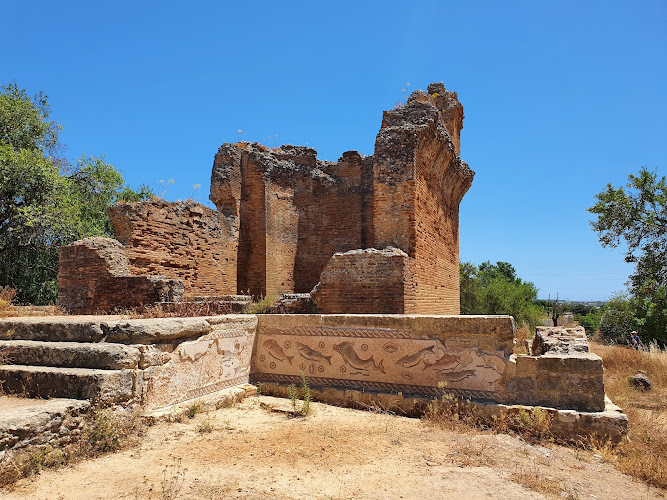
Sitting in the sun-drenched Algarve hills—not the party beaches, but a world apart—you’ll stumble across a site where time has been sort of stubborn. Milreu is not so much a grand amphitheater or a crumbling colosseum; it’s way more personal. This was Roman villa living, the lap of ancient Mediterranean luxury, built for families who seriously liked their comfort. I admit, I’ve got a soft spot for places that let you imagine wandering around in your tunic debating philosophy—and Milreu’s the real deal. You see the bones of private baths, farm buildings, and those dreamy mosaic floors (some shockingly vibrant, considering their age).
Now, I’m not going to sugarcoat it—if you expect towering marble columns and gladiator duels, you might be underwhelmed. But for the traveler who loves detail and whispers of real life, Milreu is honest, atmospheric, and refreshingly uncrowded even at peak times. I’ve spent lazy mornings here, coffee in hand, just letting the layers of centuries soak in. Most people are awestruck that you can walk right among the villa walls—no glass barriers or velvet ropes—imagining long-gone banquets. You feel the passage of time, and, well, the Algarve sun doesn’t hurt.
It’s not just statues and stones here; you’ll spot evidence of Roman ingenuity in their water cisterns, the remains of their baths, and agricultural setups that make you pause (Roman sustainability, no joke). And yes, kids genuinely get a kick out of hunting for mosaic patterns, plus there’s space for a picnic if the mood strikes. It’s wheelchair accessible, too—something I truly appreciate when traveling with family. There’s a subtle magic here even if, sure, a few curmudgeons might call it “just ruins.” Their loss, your win.
Best Time to Visit
Here’s where personal experience helps, right? Honestly, the Algarve is tempting all year—and sure, sunny days make ancient stones look lovely. But for Milreu, I’d put my chips on late spring (April to early June) and early autumn (September, maybe early October) for the sweet spot. Here’s why: the weather is just right, especially for outdoor exploring, and the heat hasn’t turned the site into a pizza oven.
Tour buses are rare, school groups minimal, and the site is at its most peaceful. I’ve done a midday summer visit (rookie mistake—bring water, trust me), and the mosaics looked dazzling in the sun, but my shirt did not survive. Winters, while typically mild, can be damp or blustery, occasionally making the uneven ground slippery. Honestly? Any time’s good if you value some ancient solitude—but mid-week mornings or golden hour evenings are extra special. You’re practically guaranteed a front row seat to Roman history.
How to Get There
Getting to Milreu is, thankfully, much less of an adventure than it was for the original Romans. If you’re coming from Faro or anywhere in central Algarve, you’re in luck—the roads are smooth, and the drive’s a scenic treat. Here’s the lowdown:
- By Car: This is by far the easiest. Free parking right at the entrance, and honestly, public parking takes away a whole layer of stress. Your GPS should recognize the site easily. Once you leave Faro, it’s a breezy 15-20 minute drive—wind through the orange orchards and you can’t miss it.
- By Public Transport: You can hop a regional bus from Faro to Estoi, but be warned, rural Algarve bus schedules lean toward the unpredictable (I missed one by minutes and had a cinematic run for the next—wouldn’t recommend). From Estoi village, it’s a short walk or taxi ride. The stroll’s pleasant if it’s not scorching.
- By Taxi or Ride Shares: Reasonably quick and not budget-breaking between Faro, Estoi, or neighboring towns. I’ve shared rides with other curious travelers more than once—never hurts to ask at a hostel or guesthouse.
Pro tip: Pick up some bottled water or a picnic in Estoi before you arrive. The ruins themselves don’t have a café (which keeps the vibe authentic, but does mean those almond pastries have to be planned for).
Tips for Visiting
- Wear Decent Shoes: The uneven, sometimes rocky paths are not the spot for flip-flops or heels (I’ve tried both, lived to regret both). Good sneakers or walking sandals do the trick.
- Bring Water and Snacks: Especially in summer. There’s no vending machine magically appearing between the Roman baths—hydrate like a Caesar.
- Photographers, Bring a Wide Lens: Those mosaic floors are incredible up close and wider site shots capture the full bones of the villa. Golden hours, in particular, make even amateur snaps look “museum-quality.”
- Take Your Time: Don’t just rush through with a checklist mentality. Sometimes you hear birds, or you spot a chip in a mosaic—details you miss if you’re racing.
- Consider a Guided Visit: If you’re a history buff, local guides can add lots of flavor—local lore, restoration tales, and stuff you’ll never find in the info placards. If you can’t snag a guide, the English descriptions around the site are decent, but I always say: ask staff, they’re super friendly.
- Respect the Site: Seems obvious, but touching mosaics or clambering on walls (I’ve seen grown adults do it, agh) speeds up the decay of what’s survived 1,500 years. Treat it like someone else’s living room. Because it was.
- Visit Estoi Palace After: The nearby rococo Estoi Palace and its gardens are worth a stroll if you want to double your dose of architectural history in one day.
- Bring the Kids: The site is manageable for families, and with room to roam, youngsters get to channel their inner Indiana Jones. If you’ve got budding historians, even better.
- Accessibility: The main areas cater to wheelchairs and strollers, a rare win for historic sites. And the parking is truly free—saves you a few euros for a treat later.
- Expect Honest Beauty: Finally, just be open to the place. Parts are “just ruins,” but—if you linger—you start to sense the rhythm of ancient life here. Give it a bit of imagination and, honestly, the experience will stick with you way longer than a dozen postcard shots of more famous sites.
To sum it up—Roman Ruins of Milreu isn’t about instant spectacle, but about layers and echoes, sunlight and shadow, and the thrill of finding beauty in the details. If you have half a day on your Algarve adventure and a love for time travel via wandering, put Milreu on your map. And, please, let me know if you end up spotting that elusive mosaic dolphin—one of these days, I’ll find it.
 Real Journey Travels