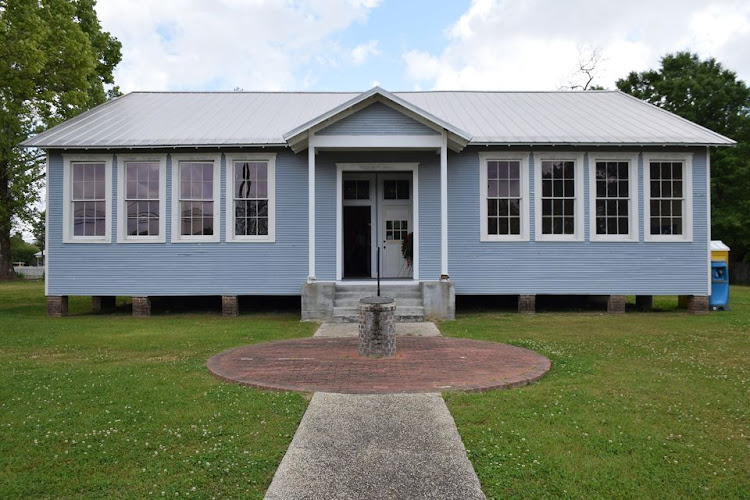
It’s not a massive, intimidating institution where you get lost in endless halls. Instead, it’s intimate, personal, and deeply rooted in the community it represents. This museum was founded in the 1990s and has steadily grown into a cultural landmark that tells the stories of African Americans in the rural parishes of South Louisiana—stories that often go unheard elsewhere.
What sets it apart is its focus on real people. Instead of just broad strokes about slavery or civil rights, you’ll find the nuanced details of daily life—artifacts from sugarcane plantations, oral histories, photographs, and even buildings like the Dr. Lowery Medical Office and a Rosenwald School that have been preserved as part of the museum’s collection. These aren’t just objects on display; they’re pieces of lived history. Walking through, you can almost picture the families, the workers, the children who once filled these spaces with their voices.
The museum is also proudly Black-owned, and that authenticity shines through in how the stories are told. It doesn’t sugarcoat the painful past, but it also celebrates resilience, creativity, and achievements. You’ll see exhibits about African American inventors, musicians, and community leaders who shaped Louisiana and beyond. And if you’re lucky, you might catch a live performance—music, storytelling, or cultural demonstrations that add another layer of richness to the visit.
Of course, like any place, experiences vary. Some visitors rave about how moving and eye-opening it is, while others might wish for more extensive exhibits or modern displays. But that’s part of its charm—it’s not trying to be a slick, polished attraction. It’s a grassroots effort, built with love and determination, and it feels genuine. For families, it’s a meaningful stop that sparks conversations with kids. For solo travelers, it’s a chance to slow down and reflect. And for history buffs, it’s a goldmine of stories you won’t find in textbooks.
Key Features
- On-site parking for convenience
- Gift shop with locally inspired items
Best Time to Visit
If you ask me, the best time to stop by is during the cooler months—fall through early spring. Louisiana summers can be brutally hot and humid, and while the museum itself is comfortable, exploring the grounds and nearby historic buildings is far more pleasant when the weather isn’t sweltering. Weekdays tend to be quieter, which makes it easier to take your time with the exhibits and maybe even chat with the staff, who are always eager to share stories and answer questions.
Special events, like cultural festivals or live performances, are also a fantastic time to visit. These moments bring the museum to life in a way that’s hard to describe—you’re not just learning about history, you’re experiencing it in real time with music, food, and community energy. If you’re planning a trip, it’s worth checking ahead to see if anything special is happening during your dates.
How to Get There
The museum is located in the small town of Donaldsonville, which sits along the Mississippi River. If you’re coming from Baton Rouge, it’s about a 45-minute drive, while New Orleans is roughly an hour and a half away. The drive itself is part of the experience—you’ll pass sugarcane fields, levees, and small towns that give you a feel for the region’s history and landscape.
Most visitors arrive by car, as public transportation options are limited in this part of Louisiana. Thankfully, the museum has on-site parking, so you won’t need to stress about finding a spot. If you’re road-tripping along River Road to see the plantations, the museum makes a meaningful stop that balances out the narrative, giving you the perspective of the people whose labor built those grand estates.
Tips for Visiting
First and foremost, give yourself enough time. This isn’t a place to rush through in 20 minutes. Even though it’s not huge, the stories are powerful, and you’ll want to linger. I’d recommend at least an hour, maybe two if you’re the type who reads every plaque and asks lots of questions.
If you’re traveling with kids, prepare them ahead of time. Some of the history is heavy, but it’s presented in a way that sparks curiosity and empathy. My own kids asked questions I wasn’t expecting, and it turned into one of those car-ride conversations you remember years later.
Wear comfortable shoes, especially if you plan to walk the grounds or explore nearby. Bring water in the warmer months, because Louisiana heat is no joke. And here’s a little tip I wish I’d known my first time: get your tickets in advance if possible. It helps the museum plan for visitors and ensures you won’t miss out during busy days.
Lastly, don’t skip the gift shop. It’s not just a place to grab a souvenir—it supports the museum and often features books, crafts, and items that tie directly into the history you’ve just learned about. I picked up a small locally made piece that still sits on my shelf, and every time I see it, I remember that visit.
The River Road African American Museum isn’t just another stop on a Louisiana itinerary—it’s the kind of place that stays with you. It’s about honoring stories that deserve to be told and making sure future generations remember them. If you’re traveling through the region, it’s absolutely worth carving out the time.
 Real Journey Travels