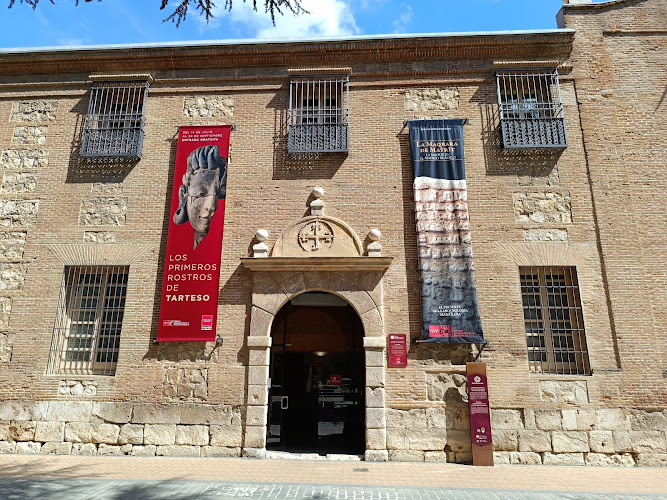
It presents a steady sweep of human presence in the region — from the vague shapes of prehistoric tools to the geometric perfection of Roman mosaics — and it does so in a compact, intimate way that rewards slow eyes and curious hands (well, not literally touching the exhibits, but you get the idea). The museum is both a repository of objects and a storytelling machine: local finds, funerary items, architectural fragments, and ceramics are all arranged to suggest lives, trade routes, and cultural crossroads rather than just isolated artifacts under glass.
Its setting in an old convent gives the galleries a particular mood. High ceilings, stone details, cloister-like corridors — they all whisper context. Rather than shouting facts, the museum encourages a gentle piecing together of the past. Visitors often leave with a clearer sense of how the landscape around Alcalá de Henares was shaped by Romans, pre-Roman peoples, medieval communities, and more. It’s not the biggest archaeological museum in Spain, but that’s part of its charm: everything feels readable, intimate, and relevant to the town the museum calls home.
Practicalities are solid. The museum offers onsite services, Wi-Fi, and restrooms. Families are welcomed — it’s good for kids and there are changing tables — and accessibility has been addressed with a wheelchair-accessible entrance and restroom. Full accessibility isn’t flawless; for example, wheelchair-accessible parking isn’t available on site, so plan for that if driving. There’s no restaurant inside, so expect to explore the excellent local cafés and tapas bars in Alcalá afterward. Visitors often combine the museum visit with a walk through the historic center, which is a short and very pleasant stroll away.
One of the most striking things is the local focus. This is not a collection assembled from far-flung corners of the empire; a lot of the material comes from nearby digs and local histories. That gives the exhibits a sense of place. When a sign says a Roman mosaic comes from a villa a few kilometers away, it feels immediate. And for anyone who enjoys archaeology as a kind of detective work, the museum supplies plenty of leads: stratigraphy charts, excavation photographs, and notes about how pieces were found. It’s a hands-on intellectual experience even if touching is off-limits.
Key Features
- A calm, contemplative layout that rewards slow, curious exploration rather than rushed ticking-off
Best Time to Visit
The best time to visit the Regional Archaeological Museum of Madrid in Alcalá de Henares is when the town itself is less crowded — typically weekday mornings during the shoulder seasons (spring and autumn). Those months offer mild weather for pairing the museum with an outdoor walk through the historic center without the oppressive heat of high summer. Weekdays also tend to have fewer school groups and tour groups, which makes for a quieter, more reflective experience in the galleries.
But if someone loves energy and wants to feel part of a larger tourism pulse, early autumn weekends have life: festivals in the town, lively cafés, and an animated atmosphere outside the museum. Just expect more people in the public areas and maybe lines at entrance times. For travelers who really hate crowds, aim for the first hour after opening; the galleries are fresher then, and the light in the cloisters is often at its best. As an aside, the writer once wandered in mid-October and had the place almost to himself — memorable, quiet, and ideal for taking notes.
How to Get There
Reaching the museum is straightforward for most visitors staying in or traveling from Madrid. Alcalá de Henares has good transport links and a compact historic center, so once in town the museum is an easy walk from central points. Commuter rail and regional bus services connect Alcalá to Madrid and surrounding towns, making it a popular day-trip option for history-minded visitors. For those driving, there is public parking near the historic center, but remember that the museum itself does not provide wheelchair-accessible parking, so allow extra time to park and approach the site.
From the main train station in Alcalá de Henares it’s a pleasant walk through historic streets to the old convent; the trip doubles as a mini walking tour. Taxis are plentiful and relatively affordable for shorter hops, and bike-friendly routes make cycling a convenient option in good weather. If someone is planning an itinerary that mixes several museums or historic sites, it’s easy to pair a visit here with nearby cultural attractions and leisurely lunches at local bars — a small, efficient cultural day that feels more curated than crammed.
Tips for Visiting
Plan at least 60–90 minutes. The museum’s size makes it tempting to spend 30 minutes and move on, but the real rewards come from lingering: reading the context panels, studying a mosaic’s detail, and tracing how local finds connect to larger historical movements. The writer recommends bringing a notebook or using a phone to snap non-flash photos of labels (when photography is allowed), because many of the details are the sort that linger in the mind better when jotted down.
Check for temporary exhibitions and guided tours. Temporary shows can highlight recent excavations or special themes not visible in the permanent displays, and guided tours, when available, add nuance and backstory that enrich the visit. If the visitor is traveling with children, look for hands-on activities or family-oriented explanations; the museum is kid-friendly and can spark good conversations about ancient daily life, tools, and even games.
Mind the lack of an onsite restaurant. There’s no café inside the museum, so visitors should plan snack breaks elsewhere. The historic center surrounding the museum brims with cafés, bakeries, and tapas bars — perfect for post-museum debriefs over coffee or a leisurely lunch. If someone has dietary needs, it’s wise to scope out options in advance or bring small snacks, because plans can be derailed by unexpected closures of nearby eateries.
Accessibility realities: the site has a wheelchair-accessible entrance and restroom, which is excellent. However, accessible parking is not available on site, so visitors traveling by car who need accessible parking should arrange alternatives or contact local tourist information for guidance. For families with small children, changing tables are provided, which is a relief and makes the visit less logistically fraught.
Photography and etiquette: the museum atmosphere is contemplative, so low voices and respectful behavior are appreciated. Flash photography is usually restricted to protect artifacts; when unsure, ask staff. And don’t hover too long in front of a label if a family or small group wants to read it — patience and small courtesies go a long way here.
Pair the museum with a walking route. The surrounding town is one of the Museum’s virtues: its historic streets, plazas, and cafés are part of the experience. A suggested rhythm is morning at the museum followed by lunch and a stroll through the old university quarter. That way the archaeological visit becomes a central chapter in a longer narrative about place, architecture, and local foods.
Prepare for varied displays. Not every piece is a headline mosaic; many are small but significant fragments — ceramics, bone tools, coins — that quietly alter how a visitor thinks about daily life centuries ago. That’s partly the museum’s charm: it rewards patience and curiosity over flashier thrills. If a traveler expects only monumental artifacts, they might be surprised — in a good way — by how revealing humble objects can be.
Finally, consider timing with local events. Alcalá de Henares has cultural rhythms: university schedules, festivals, and market days that can swell the town or create extra programming at cultural sites. Checking a local events calendar before traveling can add serendipitous perks — a lecture, a temporary exhibit, or craft markets that make the whole day feel curated and full.
In short, the Regional Archaeological Museum of Madrid in Alcalá de Henares is the kind of place that rewards curiosity. It’s practical, well-curated, and quietly persuasive about the long and layered history of the surrounding area. Travelers who give it time, who like context as much as spectacle, and who plan their visit around accessibility and meal logistics will come away with a richer sense of the past and a lighter, more coherent plan for the rest of their day in this agreeable Spanish town.
 Real Journey Travels