Description
The temple is best known for its thousand-armed, thousand-eyed statue of Avalokiteśvara (Kannon), a breathtaking sight that seems to radiate calm compassion. Standing before it, you can’t help but feel small, but in the best possible way. The statue, carved with incredible detail, is said to protect all beings, and honestly, even if you’re not particularly spiritual, there’s something deeply grounding about it. I remember standing there once, watching a monk adjust a candle, and thinking how easy it is to forget the beauty of stillness.
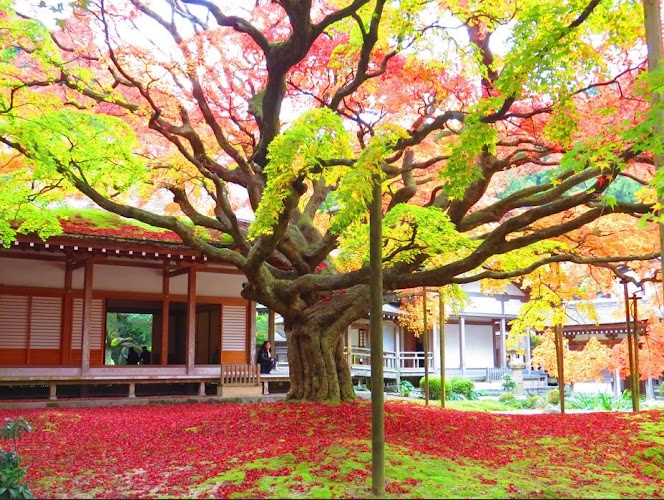
Outside, the temple grounds unfold like a painting—especially in autumn. The 400-year-old maple tree steals the show then, its leaves turning every shade of red and gold imaginable. But even beyond the fall colors, the gardens are worth exploring all year round. You’ll find paths lined with stone Buddhas, each with its own expression, as though frozen mid-thought. These 500 stone disciples are both eerie and comforting, a reminder of devotion carved in stone.
While most visitors come for the foliage or the statues, there’s a quiet charm in the smaller details too—the sound of the temple bell echoing through the valley, the faint hum of insects in summer, the way the sunlight filters through the trees and dances on the moss-covered steps. It’s peaceful without being sterile, sacred without feeling distant. And yes, it can get a bit crowded in peak season, but somehow, even with people around, the place keeps its calm. That’s part of its magic.
Key Features
If you’re the type who enjoys photography, this temple is a dream. Every corner seems to hide a perfect frame—the contrast of old wood and bright leaves, the play of shadow and light, the stillness of statues against moving clouds. But even without a camera, you’ll find yourself wanting to linger. There’s a sense of continuity here, of being part of something much older than yourself.
Best Time to Visit
Ask anyone who’s been, and they’ll probably tell you: autumn is the showstopper. From late October to mid-November, Raizan Sennyoji Daihioin turns into a living canvas of crimson and gold. The 400-year-old maple tree at the heart of the temple grounds becomes the main attraction, and for good reason—it’s enormous, with branches that stretch wide like arms embracing the sky. But don’t overlook spring either. The cherry blossoms around the temple are subtle but beautiful, painting the grounds with soft pink petals that drift like snow when the wind picks up.
Summer brings lush greenery and the sound of cicadas—peaceful if you like that kind of meditative hum. Winter, though quieter, has its own charm. The temple dusted in snow looks like something out of a woodblock print. So really, there isn’t a bad season to visit; it just depends on what kind of beauty you’re after. Personally, I love late autumn mornings when the mist still lingers around the mountain and the colors seem almost unreal.
How to Get There
Reaching Raizan Sennyoji Daihioin is part of the adventure. If you’re staying in Fukuoka City, you can take a train to Itoshima Station, then hop on a local bus or taxi that winds its way up toward Mt. Raizan. The last stretch is a gentle climb through forested roads, and if you’re up for it, walking the final distance gives you time to soak in the scenery. The path is lined with small shrines, stone lanterns, and those quiet mountain sounds you never get in the city.
For those driving, there’s a parking area near the entrance that accommodates both cars and buses, and it’s wheelchair accessible. The route is well-marked, though the mountain roads can be a bit narrow, so take it slow. Public transport is reliable, but schedules may vary depending on the season, so it’s smart to check before you go. Either way, the journey feels like part of the pilgrimage—each curve in the road revealing a little more of the mountain’s calm.
Tips for Visiting
A few things can make your visit smoother—and more meaningful. First, wear comfortable shoes. The temple grounds are spread out, and some paths are uneven or slightly steep. If you’re visiting in autumn, go early in the morning. Not only will you beat the crowds, but the morning light filtering through the maple leaves is pure magic. Bring a light jacket too; the mountain air can be surprisingly cool, even on sunny days.
Photography is allowed in most areas, but always be respectful—especially inside the main hall. The monks are gracious, but this is still an active place of worship. Take a moment to sit quietly, maybe even meditate for a few minutes. You’ll understand why so many people describe this temple as peaceful rather than just beautiful.
If you’re traveling with family or elderly companions, you’ll be happy to know the temple has restrooms and accessible parking. There’s also a small souvenir shop near the entrance selling charms, incense, and traditional sweets. I once bought a small wooden amulet there, and even years later, it still smells faintly of sandalwood.
And here’s a small insider tip: if you have time, continue past the temple up the trail to Mt. Raizan’s summit. It’s not a long hike, and from the top, you can see the sea stretching out beyond Itoshima. It’s a view that somehow ties everything together—the sacred and the natural, the quiet and the vast.
Raizan Sennyoji Daihioin isn’t just a place to check off your travel list. It’s the kind of spot that stays with you long after you’ve left. Maybe it’s the way the maple leaves fall like little flames, or the way the temple bell echoes through the valley. Or maybe it’s just the feeling of being still for once, surrounded by centuries of devotion and the gentle hum of the mountain. Whatever it is, you’ll know it when you feel it.