
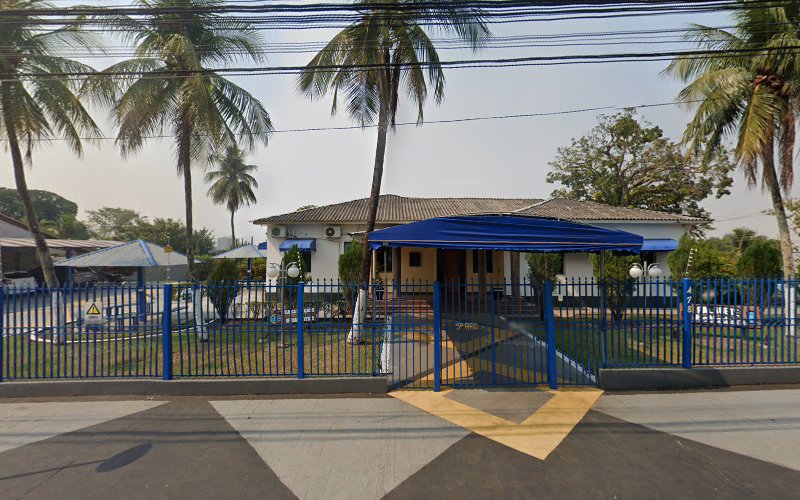
R. Dom Pedro II, 485 – São Cristóvão
About R. Dom Pedro II, 485 – São Cristóvão
Description
When you're planning a trip to Rio de Janeiro, most guidebooks will point you straight toward Copacabana or Christ the Redeemer. But let me tell you about a neighborhood that doesn't always get the spotlight it deserves - São Cristóvão. This historic district sits in the northern zone of Rio, and it's where you'll find a fascinating blend of imperial Brazilian history, authentic local culture, and some seriously underrated architectural gems. The area around R. Dom Pedro II offers travelers a genuine slice of carioca life without the tourist crowds that can sometimes overwhelm the southern beach neighborhoods. I remember my first visit here - I was honestly blown away by how different it felt from the Rio I thought I knew. The streets carry the weight of centuries, and you can almost feel the imperial past whispering through the old buildings and tree-lined avenues. São Cristóvão was actually where Brazilian royalty chose to set up their residence back in the 19th century. That's not just some random historical footnote either - it shaped the entire character of the neighborhood. The district grew around the royal palace, attracting aristocrats and wealthy families who built their own grand homes nearby. Today, that legacy remains visible in the architecture and the layout of the streets themselves. What makes this particular location special is its accessibility to some of Rio's most important cultural institutions while maintaining that authentic neighborhood vibe. You're not constantly dodging selfie sticks here. Instead, you'll find locals going about their daily routines, kids playing football in the streets, and corner bakeries where the smell of fresh pão de queijo drifts out onto the sidewalks each morning.Key Features
The area surrounding R. Dom Pedro II presents visitors with several distinctive characteristics that set it apart from other Rio neighborhoods: • Proximity to Quinta da Boa Vista - This massive public park spans over 155,000 square meters and once served as the grounds for the Imperial Palace. The park itself is a local favorite for weekend picnics and morning jogs. • Museum Access - You're walking distance from several significant museums, including the National Museum complex, which has been undergoing restoration following the tragic 2018 fire but remains an important cultural landmark. • Authentic Local Markets - The famous Centro Luiz Gonzaga de Tradições Nordestinas sits nearby, offering travelers an incredible window into northeastern Brazilian culture through food, music, and crafts. • Colonial and Imperial Architecture - The streetscape features buildings dating back to the 18th and 19th centuries, showcasing Portuguese colonial and Brazilian imperial architectural styles. • Public Transportation Hub - The neighborhood benefits from excellent metro and bus connections, making it easy to explore other parts of Rio without renting a car. • Genuine Brazilian Dining - Local restaurants here serve traditional food at prices that won't make your wallet cry, unlike some of the tourist-heavy areas. • São Cristóvão Fair - Weekend cultural celebrations bring together music, dance, and regional cuisine in an atmosphere that feels worlds away from the typical tourist experience. • Sports Facilities - The São Cristóvão Stadium and various sports clubs dot the area, reflecting the neighborhood's community-focused character.Best Time to Visit
Okay, so here's where I'm gonna be real with you - Rio doesn't really have a bad season, but São Cristóvão definitely has its sweet spots throughout the year. The absolute best time to explore this neighborhood runs from May through September. These months fall during Rio's winter, which sounds dramatic until you realize winter here means temperatures around 20-25°C (68-77°F). It's comfortable for walking, the humidity drops to bearable levels, and you won't be competing with peak tourist season crowds. I personally love visiting during this period because you can actually enjoy outdoor exploration without feeling like you're melting into the sidewalk. If you're trying to experience the neighborhood at its most lively, weekends are when São Cristóvão really comes alive. The weekend fair transforms parts of the area into this sprawling celebration of northeastern Brazilian culture. You'll hear forró music echoing through the streets, smell grilled meats from dozens of food stalls, and see families dressed in their best enjoying the festivities. But be warned - it gets packed, especially on Saturday nights. Summer months from December to March bring Rio's famous heat and humidity. Temperatures can push past 40°C (104°F), and afternoon rain showers appear almost daily. Not ideal for extensive walking tours, honestly. However, if you don't mind the weather, you'll find fewer international tourists in São Cristóvão specifically, since most visitors concentrate on the beaches during summer. One thing travelers often overlook - Brazilian school holidays. When local schools break in July and January, you'll notice more families out and about. This creates a wonderful energetic atmosphere but also means popular spots get busier than usual. Early mornings in São Cristóvão, regardless of season, offer something special. The neighborhood wakes up slowly, with locals grabbing coffee at corner cafés and shop owners opening their shutters. If you're an early riser like me, there's something magical about watching a historic neighborhood start its day.How to Get There
Getting to the R. Dom Pedro II area in São Cristóvão is actually way easier than many travelers expect, especially if you're staying in the more touristy parts of Rio. The metro system provides the most straightforward option. You'll want to take Line 2 (the green line) to São Cristóvão station. From there, it's a short walk to the R. Dom Pedro II area. The Rio metro is modern, air-conditioned, and operates from around 5am until midnight on weekdays, with slightly reduced hours on weekends. A single ticket costs roughly R$5, and you can purchase a rechargeable RioCard at any station that'll save you a bit of money if you're planning multiple trips. Buses run throughout the neighborhood as well, though I'll be honest - Rio's bus system can feel overwhelming if you don't speak Portuguese. Routes 474, 476, and 678 all service the São Cristóvão area, but figuring out the stops requires either a good translation app or some patience. The upside? Buses cost less than the metro at around R$4.30 per ride. Ride-sharing apps like Uber and 99 work perfectly well in Rio, and they're honestly my go-to recommendation for travelers who aren't confident navigating public transport in a foreign country. A ride from Copacabana to São Cristóvão typically runs between R$25-40 depending on traffic, which isn't bad if you're splitting the cost with travel companions. Just be aware that Rio traffic can be absolutely brutal during rush hours (roughly 7-9am and 5-7pm). If you're driving yourself - and I wouldn't necessarily recommend this for most travelers - parking can be challenging in the older parts of the neighborhood. Street parking exists but fills up quickly on weekends. Some paid lots operate near major attractions. One pro tip I learned the hard way: download offline maps before you go. Cell coverage is generally fine, but having offline navigation saved me more than once when my data decided to act up in the middle of navigating unfamiliar streets.Tips for Visiting
Alright, let me share some practical wisdom that'll make your visit to this area smoother and more enjoyable. First thing - language. São Cristóvão isn't a heavily touristed neighborhood, which means English speakers are few and far between. Download a translation app and learn a few basic Portuguese phrases. Even just "obrigado" (thank you) and "por favor" (please) will earn you smiles and better service. I've found that locals really appreciate when visitors make even small efforts to speak Portuguese. Safety deserves an honest conversation. São Cristóvão is generally safe during daylight hours, especially in the main areas around the parks and cultural sites. However, like any urban neighborhood, you should stay alert. Keep valuables tucked away, don't flash expensive cameras or jewelry, and stick to well-populated streets. After dark, I'd recommend taking a taxi or Uber rather than walking extensively, particularly if you're unfamiliar with the area. Dress comfortably and practically. You'll be doing a fair bit of walking on uneven sidewalks and cobblestone streets in some areas. Leave the fancy shoes at your hotel. Lightweight, breathable clothing works best year-round, and bring a small backpack for water - staying hydrated in Rio's climate isn't optional. Cash still rules in many of São Cristóvão's smaller establishments. While major museums and larger restaurants accept cards, street vendors, small cafés, and market stalls often operate cash-only. ATMs are available throughout the neighborhood, but withdraw money during daylight hours in busy areas. Food adventurers, this is your playground. Don't shy away from the local restaurants and food stalls. The cuisine here leans heavily toward northeastern Brazilian flavors - think sun-dried meat, cassava, and coalho cheese. My personal favorite discovery was a tiny family-run restaurant where the grandmother still cooks everything. Those places exist here, and they're absolutely worth finding. Timing your visit around the weekend fair can either enhance or complicate your experience depending on what you're after. If you want cultural immersion and don't mind crowds, weekends are perfect. If you prefer quiet exploration of historical sites, visit on a Tuesday or Wednesday when things calm down considerably. Photography enthusiasts should wake up early. The morning light on the old buildings creates stunning opportunities, plus you'll avoid harsh midday shadows. And honestly, there's less photobombing when the streets are quieter. Connect with locals if you can. Cariocas are genuinely friendly people, and in neighborhoods like São Cristóvão where tourists are less common, you'll find residents happy to chat and share recommendations. Some of my best travel experiences have come from random conversations at bus stops or in café lines. Finally, give yourself more time than you think you'll need. This isn't a neighborhood you rush through. The history, the architecture, the local culture - it all deserves attention. When I first visited, I allocated maybe three hours. I ended up spending an entire day and still felt like I'd barely scratched the surface. São Cristóvão rewards the curious traveler who ventures beyond Rio's greatest hits. It's real, it's historical, and it's genuinely interesting in ways that beaches and mountains, beautiful as they are, simply can't match.Key Features
- Three historic water tanks (early 1900s) installed to serve the city
- Small shaded plaza with benches and local social life
- Central São Cristóvão location near historic downtown
- Street-food vendors and small local businesses nearby
- Photogenic industrial-heritage structures reflecting Porto Velho’s past
More Details
Updated January 17, 2026
Table of Contents
- Description
- Key Features
- Best Time to Visit
- How to Get There
- Tips for Visiting
- Key Highlights
- Location
- Places to Stay Near R. Dom Pedro II, 485 - São Cristóvão
- Find and Book a Tour
- Explore More Travel Guides
- Nearby Places You Might Like
- Traveler Reviews for R. Dom Pedro II, 485 – São Cristóvão
- Share Your Experience
Description
When you’re planning a trip to Rio de Janeiro, most guidebooks will point you straight toward Copacabana or Christ the Redeemer. But let me tell you about a neighborhood that doesn’t always get the spotlight it deserves – São Cristóvão. This historic district sits in the northern zone of Rio, and it’s where you’ll find a fascinating blend of imperial Brazilian history, authentic local culture, and some seriously underrated architectural gems.
The area around R. Dom Pedro II offers travelers a genuine slice of carioca life without the tourist crowds that can sometimes overwhelm the southern beach neighborhoods. I remember my first visit here – I was honestly blown away by how different it felt from the Rio I thought I knew. The streets carry the weight of centuries, and you can almost feel the imperial past whispering through the old buildings and tree-lined avenues.
São Cristóvão was actually where Brazilian royalty chose to set up their residence back in the 19th century. That’s not just some random historical footnote either – it shaped the entire character of the neighborhood. The district grew around the royal palace, attracting aristocrats and wealthy families who built their own grand homes nearby. Today, that legacy remains visible in the architecture and the layout of the streets themselves.
What makes this particular location special is its accessibility to some of Rio’s most important cultural institutions while maintaining that authentic neighborhood vibe. You’re not constantly dodging selfie sticks here. Instead, you’ll find locals going about their daily routines, kids playing football in the streets, and corner bakeries where the smell of fresh pão de queijo drifts out onto the sidewalks each morning.
Key Features
The area surrounding R. Dom Pedro II presents visitors with several distinctive characteristics that set it apart from other Rio neighborhoods:
• Proximity to Quinta da Boa Vista – This massive public park spans over 155,000 square meters and once served as the grounds for the Imperial Palace. The park itself is a local favorite for weekend picnics and morning jogs.
• Museum Access – You’re walking distance from several significant museums, including the National Museum complex, which has been undergoing restoration following the tragic 2018 fire but remains an important cultural landmark.
• Authentic Local Markets – The famous Centro Luiz Gonzaga de Tradições Nordestinas sits nearby, offering travelers an incredible window into northeastern Brazilian culture through food, music, and crafts.
• Colonial and Imperial Architecture – The streetscape features buildings dating back to the 18th and 19th centuries, showcasing Portuguese colonial and Brazilian imperial architectural styles.
• Public Transportation Hub – The neighborhood benefits from excellent metro and bus connections, making it easy to explore other parts of Rio without renting a car.
• Genuine Brazilian Dining – Local restaurants here serve traditional food at prices that won’t make your wallet cry, unlike some of the tourist-heavy areas.
• São Cristóvão Fair – Weekend cultural celebrations bring together music, dance, and regional cuisine in an atmosphere that feels worlds away from the typical tourist experience.
• Sports Facilities – The São Cristóvão Stadium and various sports clubs dot the area, reflecting the neighborhood’s community-focused character.
Best Time to Visit
Okay, so here’s where I’m gonna be real with you – Rio doesn’t really have a bad season, but São Cristóvão definitely has its sweet spots throughout the year.
The absolute best time to explore this neighborhood runs from May through September. These months fall during Rio’s winter, which sounds dramatic until you realize winter here means temperatures around 20-25°C (68-77°F). It’s comfortable for walking, the humidity drops to bearable levels, and you won’t be competing with peak tourist season crowds. I personally love visiting during this period because you can actually enjoy outdoor exploration without feeling like you’re melting into the sidewalk.
If you’re trying to experience the neighborhood at its most lively, weekends are when São Cristóvão really comes alive. The weekend fair transforms parts of the area into this sprawling celebration of northeastern Brazilian culture. You’ll hear forró music echoing through the streets, smell grilled meats from dozens of food stalls, and see families dressed in their best enjoying the festivities. But be warned – it gets packed, especially on Saturday nights.
Summer months from December to March bring Rio’s famous heat and humidity. Temperatures can push past 40°C (104°F), and afternoon rain showers appear almost daily. Not ideal for extensive walking tours, honestly. However, if you don’t mind the weather, you’ll find fewer international tourists in São Cristóvão specifically, since most visitors concentrate on the beaches during summer.
One thing travelers often overlook – Brazilian school holidays. When local schools break in July and January, you’ll notice more families out and about. This creates a wonderful energetic atmosphere but also means popular spots get busier than usual.
Early mornings in São Cristóvão, regardless of season, offer something special. The neighborhood wakes up slowly, with locals grabbing coffee at corner cafés and shop owners opening their shutters. If you’re an early riser like me, there’s something magical about watching a historic neighborhood start its day.
How to Get There
Getting to the R. Dom Pedro II area in São Cristóvão is actually way easier than many travelers expect, especially if you’re staying in the more touristy parts of Rio.
The metro system provides the most straightforward option. You’ll want to take Line 2 (the green line) to São Cristóvão station. From there, it’s a short walk to the R. Dom Pedro II area. The Rio metro is modern, air-conditioned, and operates from around 5am until midnight on weekdays, with slightly reduced hours on weekends. A single ticket costs roughly R$5, and you can purchase a rechargeable RioCard at any station that’ll save you a bit of money if you’re planning multiple trips.
Buses run throughout the neighborhood as well, though I’ll be honest – Rio’s bus system can feel overwhelming if you don’t speak Portuguese. Routes 474, 476, and 678 all service the São Cristóvão area, but figuring out the stops requires either a good translation app or some patience. The upside? Buses cost less than the metro at around R$4.30 per ride.
Ride-sharing apps like Uber and 99 work perfectly well in Rio, and they’re honestly my go-to recommendation for travelers who aren’t confident navigating public transport in a foreign country. A ride from Copacabana to São Cristóvão typically runs between R$25-40 depending on traffic, which isn’t bad if you’re splitting the cost with travel companions. Just be aware that Rio traffic can be absolutely brutal during rush hours (roughly 7-9am and 5-7pm).
If you’re driving yourself – and I wouldn’t necessarily recommend this for most travelers – parking can be challenging in the older parts of the neighborhood. Street parking exists but fills up quickly on weekends. Some paid lots operate near major attractions.
One pro tip I learned the hard way: download offline maps before you go. Cell coverage is generally fine, but having offline navigation saved me more than once when my data decided to act up in the middle of navigating unfamiliar streets.
Tips for Visiting
Alright, let me share some practical wisdom that’ll make your visit to this area smoother and more enjoyable.
First thing – language. São Cristóvão isn’t a heavily touristed neighborhood, which means English speakers are few and far between. Download a translation app and learn a few basic Portuguese phrases. Even just “obrigado” (thank you) and “por favor” (please) will earn you smiles and better service. I’ve found that locals really appreciate when visitors make even small efforts to speak Portuguese.
Safety deserves an honest conversation. São Cristóvão is generally safe during daylight hours, especially in the main areas around the parks and cultural sites. However, like any urban neighborhood, you should stay alert. Keep valuables tucked away, don’t flash expensive cameras or jewelry, and stick to well-populated streets. After dark, I’d recommend taking a taxi or Uber rather than walking extensively, particularly if you’re unfamiliar with the area.
Dress comfortably and practically. You’ll be doing a fair bit of walking on uneven sidewalks and cobblestone streets in some areas. Leave the fancy shoes at your hotel. Lightweight, breathable clothing works best year-round, and bring a small backpack for water – staying hydrated in Rio’s climate isn’t optional.
Cash still rules in many of São Cristóvão’s smaller establishments. While major museums and larger restaurants accept cards, street vendors, small cafés, and market stalls often operate cash-only. ATMs are available throughout the neighborhood, but withdraw money during daylight hours in busy areas.
Food adventurers, this is your playground. Don’t shy away from the local restaurants and food stalls. The cuisine here leans heavily toward northeastern Brazilian flavors – think sun-dried meat, cassava, and coalho cheese. My personal favorite discovery was a tiny family-run restaurant where the grandmother still cooks everything. Those places exist here, and they’re absolutely worth finding.
Timing your visit around the weekend fair can either enhance or complicate your experience depending on what you’re after. If you want cultural immersion and don’t mind crowds, weekends are perfect. If you prefer quiet exploration of historical sites, visit on a Tuesday or Wednesday when things calm down considerably.
Photography enthusiasts should wake up early. The morning light on the old buildings creates stunning opportunities, plus you’ll avoid harsh midday shadows. And honestly, there’s less photobombing when the streets are quieter.
Connect with locals if you can. Cariocas are genuinely friendly people, and in neighborhoods like São Cristóvão where tourists are less common, you’ll find residents happy to chat and share recommendations. Some of my best travel experiences have come from random conversations at bus stops or in café lines.
Finally, give yourself more time than you think you’ll need. This isn’t a neighborhood you rush through. The history, the architecture, the local culture – it all deserves attention. When I first visited, I allocated maybe three hours. I ended up spending an entire day and still felt like I’d barely scratched the surface.
São Cristóvão rewards the curious traveler who ventures beyond Rio’s greatest hits. It’s real, it’s historical, and it’s genuinely interesting in ways that beaches and mountains, beautiful as they are, simply can’t match.
Key Highlights
- Three historic water tanks (early 1900s) installed to serve the city
- Small shaded plaza with benches and local social life
- Central São Cristóvão location near historic downtown
- Street-food vendors and small local businesses nearby
- Photogenic industrial-heritage structures reflecting Porto Velho’s past
Location
Places to Stay Near R. Dom Pedro II, 485 - São Cristóvão
Find and Book a Tour
Explore More Travel Guides
No reviews found! Be the first to review!
Traveler Reviews for R. Dom Pedro II, 485 – São Cristóvão
There are no reviews yet. Be the first one to write one.
Have you visited R. Dom Pedro II, 485 – São Cristóvão? Help other travelers by sharing your review.
Nearby Attractions
You Might Also Like

Monumento Do Índio
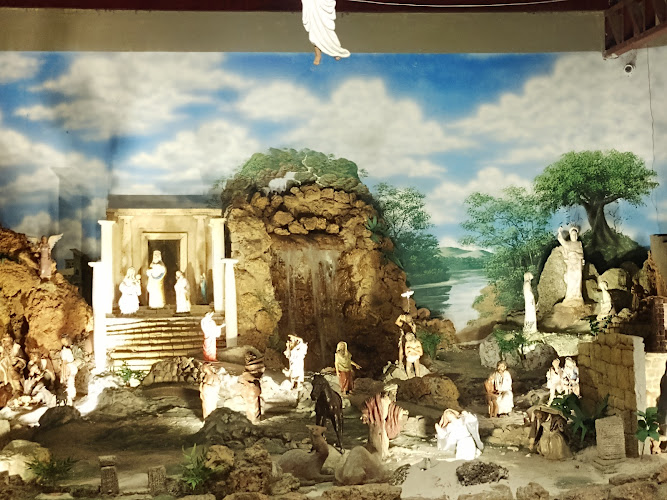
Museu Internacional do Presépio

Cultural Market Porto Velho
Find Accommodations Nearby
Recommended Tours & Activities
Visitor Reviews
There are no reviews yet. Be the first one to write one.
Share Your Experience
Have you visited R. Dom Pedro II, 485 – São Cristóvão? Help other travelers by leaving a review.