Description
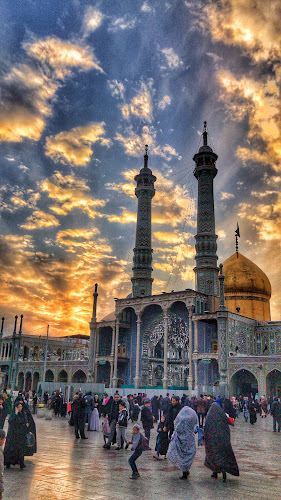
The city’s heartbeat is the Holy Shrine of Fatima Masumeh, one of the most sacred sites in Shia Islam. Pilgrims travel from across Iran—and beyond—to pay their respects. Even if you’re not religious, the sheer energy of the place is undeniable. The architecture alone, with its intricate tile work and luminous courtyards, is worth the trip. And then there’s the hum of everyday life: shopkeepers calling out in the bazaar, the smell of saffron and rosewater drifting from confectionery stalls, students in their clerical robes walking briskly to the seminaries. Qom is deeply traditional, yes, but it’s also surprisingly dynamic. There’s a sense that the past and present coexist here in a kind of delicate balance.
I remember my first visit to Qom years ago—it was winter, and the air had that crisp, desert chill that sneaks up on you after sunset. I wandered through the old bazaar, haggled over a box of sohan (the city’s famous saffron brittle), and ended up chatting with a local craftsman who’d been making copperware for forty years. He told me, “In Qom, patience is a kind of prayer.” That line stuck with me. It sums up the city perfectly—slow, deliberate, and full of quiet devotion.
Key Features
- Holy Shrine of Fatima Masumeh: The spiritual heart of Qom, known for its stunning golden dome and intricate mosaics.
- Qom Seminary (Hawza): One of the most important centers for Islamic studies in the world, attracting scholars from across continents.
- Qom Bazaar: A maze of narrow lanes filled with spices, textiles, and traditional Iranian sweets—perfect for those who love local culture.
- Jamkaran Mosque: A pilgrimage site located just outside the city, associated with deep religious significance and local legend.
- Salt Desert (Dasht-e Kavir): The vast desert nearby offers surreal landscapes and opportunities for off-road adventures.
- Museums and Cultural Centers: Including the Qom Museum of Antiquities, which showcases artifacts from the city’s long history.
- Local Cuisine: Don’t miss the traditional sohan, saffron tea, and hearty Persian stews served in family-run eateries.
Each of these features gives a glimpse into Qom’s character—a mix of devotion, craftsmanship, and resilience. The city isn’t trying to impress; it’s just being itself, and that authenticity is what makes it unforgettable.
Best Time to Visit
Timing matters when it comes to Qom. Summers can be scorching, with temperatures easily soaring above 35°C, thanks to its semi-desert climate. If you’re not a fan of heat, aim for spring (March to May) or autumn (September to November). During these months, the weather is pleasantly mild, and the city feels more alive. You’ll see more pilgrims and travelers, but not so many that it feels crowded. Winter has its own charm too—the air is crisp, and the evenings are perfect for sipping tea in a quiet courtyard.
Personally, I think early spring is the sweet spot. The desert air softens, the sky turns a pale blue, and the city seems to glow under the sunlight. Plus, the nearby landscapes—especially the desert plains—look their best after the occasional rain. If you’re planning photography or just want to wander without sweating through your shirt, spring is your friend.
How to Get There
Getting to Qom is straightforward, especially if you’re coming from Tehran. It’s about a two-hour drive (give or take, depending on traffic). Buses run frequently from Tehran’s south terminal, and the highway is in good condition. If you prefer comfort, private taxis or car rentals are available, and the route itself is scenic in its own quiet way—flat plains, distant mountains, and the occasional roadside tea stand.
For international travelers, the nearest major airport is Tehran Imam Khomeini International Airport (IKA). From there, you can catch a direct bus or hire a driver. There’s also a train service connecting Qom to other major Iranian cities like Isfahan and Mashhad. The train station is small but efficient, and if you’re the type who enjoys watching the countryside roll by, it’s a relaxing way to travel.
Once you’re in Qom, getting around is easy. Taxis are plentiful and affordable, and many of the main attractions are within a short distance of each other. Walking is often the best way to experience the city’s rhythm—just remember to dress modestly out of respect for local customs.
Tips for Visiting
Before you pack your bags, a few things are worth keeping in mind. Qom is a deeply religious city, and while visitors are warmly welcomed, it’s important to be mindful of local etiquette. Dress conservatively—women should wear a headscarf, and men should avoid sleeveless shirts or shorts. It’s not about restriction, really; it’s about showing respect for the culture that defines this place.
- Respect sacred spaces: Non-Muslim visitors can admire the exteriors of shrines but may have limited access inside. Always ask before entering.
- Learn a few Persian phrases: Even a simple “salaam” (hello) goes a long way in connecting with locals.
- Try the sweets: Qom’s sohan is legendary. You’ll find countless shops offering samples—don’t resist.
- Stay hydrated: The desert climate can be deceptive. Carry water, especially if you’re exploring on foot.
- Photography: Be cautious when taking photos near religious sites or people. Always ask permission first.
- Plan around religious events: During major pilgrimages, the city can get very crowded. If you prefer a quieter experience, check the calendar before you go.
One more thing—don’t rush. Qom isn’t the kind of city you “do” in a day. It’s more about soaking in the atmosphere, listening to the call to prayer echo across the rooftops, and maybe having a heartfelt chat with a local over tea. The beauty of Qom lies in its sincerity. It’s not polished for tourists, and that’s precisely why it feels so real.
If you’re the kind of traveler who seeks meaning in your journeys, not just photo ops, Qom will speak to you. It’s a city that invites reflection, whether you’re standing before the golden dome of the shrine or watching the sunset turn the desert sky into shades of amber. And maybe, just maybe, you’ll leave with a deeper understanding—not just of Iran, but of yourself too.