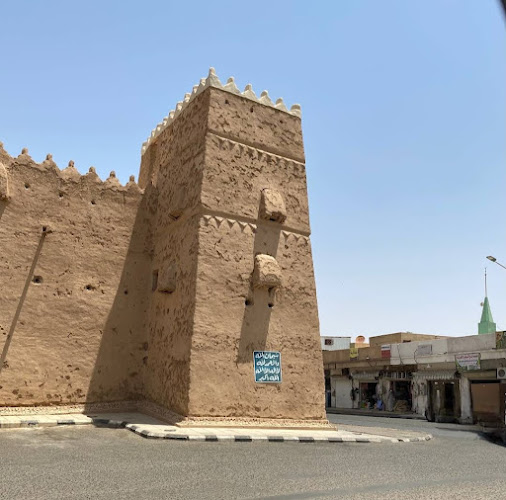
Qishlah Palace stands as one of those places that quietly tells the story of Saudi Arabia without shouting for attention. It’s a historical landmark, yes, and technically a castle, but it feels more like a time capsule made of mudbrick and memory. Built in the late 19th century, during the reign of King Abdulaziz, the palace once served as a military garrison and administrative center. Soldiers lived here, trained here, probably complained about the heat here too. And when you walk through it now, that sense of everyday life from another era still hangs in the air.
The palace has a square layout with thick walls that were designed to defend, not decorate. And yet, there’s a certain beauty to it. Not the polished kind you see in glossy travel magazines, but a grounded, honest beauty. The kind that makes you stop and run your hand along the wall just to feel how solid it is. The central courtyard is wide and open, and when the sun hits it just right, the shadows from the surrounding rooms stretch out like clock hands. It’s oddly calming.
What makes Qishlah Palace especially interesting for travelers is how approachable it feels. This isn’t one of those historical sites where you’re afraid to breathe too loudly or step in the wrong spot. Kids wander around freely, families take their time, and locals often drop by just to soak in a bit of history. The palace has clearly been restored and maintained, but it hasn’t been overdone. Some imperfections remain, and honestly, that’s a good thing. It reminds visitors that history is messy, not polished.
The overall sentiment from visitors tends to lean positive, though not blindly so. Some people expect more exhibits or detailed explanations and walk away a bit underwhelmed. Others, especially travelers who appreciate architecture and atmosphere, leave genuinely impressed. It’s one of those places where your experience depends on how curious you are. If you rush through, it’s just an old building. If you slow down, it starts telling stories.
Description
Qishlah Palace is a large, rectangular fortification built primarily from mudbrick, a traditional construction method in central Arabia. The walls are thick and tall, designed to withstand both attacks and the harsh desert climate. At each corner, watchtowers rise above the structure, offering views that once helped guards keep an eye on the surrounding area. Inside, rooms line the perimeter, opening into a spacious central courtyard.
The palace played a key role during the early years of the Saudi state. It functioned as a military headquarters, a storage area for weapons and supplies, and a symbol of authority. Standing there now, it’s easy to imagine soldiers lining up in the courtyard at dawn. And maybe it’s just me, but I always picture the early mornings being strangely quiet, broken only by footsteps and the occasional shout.
Today, the palace serves more as a cultural and historical site. Some rooms have been adapted to display artifacts or host small exhibitions, while others remain mostly empty, allowing visitors to use their imagination. The accessibility features are well thought out, making it easier for wheelchair users to enter and move around, which isn’t always the case with older landmarks. Families with children will also find it manageable, as there’s space to roam without feeling cramped.
One thing that stands out is how the palace connects past and present. You might hear modern city sounds drifting over the walls, reminding you that this fortress once stood at the edge of town and is now part of a growing urban landscape. That contrast adds depth to the visit. It’s not frozen in time; it’s coexisting with now.
Best Time to Visit
The best time to visit Qishlah Palace is during the cooler months, typically from November to March. The weather is more forgiving, and walking around the open courtyard doesn’t feel like a test of endurance. Early mornings are particularly nice. The light is soft, the air is cooler, and there are fewer visitors. It’s easier to imagine the palace as it once was when it’s quiet.
Late afternoons can also be pleasant, especially if you enjoy photography. The sun starts to dip, casting long shadows across the courtyard and highlighting the texture of the walls. That said, midday visits in summer can be rough. The palace is mostly open-air, and while some rooms offer shade, the heat can sap your energy fast.
If you happen to visit during a cultural event or national celebration, the palace sometimes hosts activities or exhibitions. Those moments add an extra layer of context, but they also bring crowds. Personally, I prefer visiting on a normal weekday, when you can wander without feeling rushed. But that’s just me being picky about space and silence.
How to Get There
Getting to Qishlah Palace is fairly straightforward, especially if you’re already staying within the city. Taxis and ride-hailing services are widely used and usually the easiest option for travelers unfamiliar with local roads. Drivers generally know the landmark, even if they don’t speak much English, which helps.
If you’re driving yourself, parking is available and accessible, including designated spots for wheelchair users. The surrounding streets can get busy at certain times of day, so patience is key. Public transportation options exist, but they may require a bit of walking afterward, which is something to consider during hotter months.
One small piece of advice from personal experience: give yourself more time than you think you need. Not because it’s hard to reach, but because the area around the palace often has other points of interest that catch your eye. You might plan for a quick visit and end up staying longer, wandering, thinking, taking photos you didn’t expect to take.
Tips for Visiting
First, wear comfortable shoes. This sounds obvious, but the ground can be uneven in places, and you’ll likely be walking more than you expect. Second, bring water, especially if you’re visiting outside the cooler months. Shade is available, but hydration matters.
Take your time. Qishlah Palace isn’t about ticking off rooms or rushing to the exit. Sit in the courtyard for a few minutes. Look at the way the walls are built. Notice how sound carries differently inside. These small observations are where the place really opens up.
If you’re visiting with kids, let them explore a bit. The palace is safe and open, and it’s one of those rare historical sites where children don’t feel like they have to whisper constantly. For wheelchair users or those with mobility concerns, the accessible entrance and parking make a real difference, though some interior areas may still require caution.
And finally, manage your expectations. Qishlah Palace isn’t packed with interactive displays or high-tech exhibits. It’s more subtle than that. If you come looking for a deep connection to Saudi history, architecture, and daily life from another era, you’ll likely leave satisfied. If you’re expecting flashy attractions, maybe not so much. But honestly, that understated quality is what makes it worth visiting. Sometimes history speaks softly, and you just have to listen.