

Puu Jih Syh Temple
About Puu Jih Syh Temple
Description
Puu Jih Syh Temple sits high above Sandakan Bay, and it knows it. The place has that quiet confidence of a location that doesn’t need to shout to impress you. Built in 1987, the temple blends Chinese Buddhist architecture with sweeping coastal views that honestly stop people mid-sentence. You’ll see visitors go quiet here, not because someone told them to, but because the setting does that naturally.
The hilltop position gives the temple a front-row seat to the sea. On a clear day, the water stretches out in soft blues and silvers, and the fishing boats below look like toys. I remember standing there once thinking, “Well, this is better than whatever I had planned next.” And I stayed longer than intended, which seems to happen a lot at Puu Jih Syh. It’s not flashy in a theme-park way, but it’s quietly powerful.
The temple is active, not frozen in time. You’ll notice monks going about their routines, locals stopping by to light incense, and travelers like you wandering around with cameras and that slightly awed look. It works as a place of worship and as a tourist attraction, which is a tricky balance, but somehow it pulls it off. The air smells faintly of incense and sea breeze, an odd combo that shouldn’t work but does.
Architecturally, the temple follows traditional Chinese Buddhist design, with layered roofs, curved eaves, and rich red and gold details. But it’s not overwhelming. The scale feels human. You don’t feel dwarfed; you feel welcomed. There are statues, prayer halls, and open courtyards that invite wandering rather than rushing. And yes, you’ll probably take more photos than you planned. That’s fine. Everyone does.
What I appreciate most is how approachable it feels. You don’t need deep knowledge of Buddhism to enjoy the place. You can simply walk, observe, and soak it in. And if you are curious, there’s plenty to learn just by paying attention. The temple has earned its reputation over the years, and while not every visitor leaves blown away, most leave content, calm, and glad they came.
Key Features
- Hilltop location with wide views over Sandakan Bay and the open sea
- Traditional Chinese Buddhist architecture dating back to 1987
- Peaceful prayer halls and open courtyards for quiet reflection
- Large statues and symbolic details that reward slow exploration
- Wheelchair accessible entrance and parking, which is genuinely appreciated
- On-site restrooms, making longer visits comfortable
- A calm atmosphere that balances tourism and active religious practice
Best Time to Visit
Morning is the sweet spot, if you ask me. The light hits the temple just right, soft and forgiving, and the sea below looks calmer somehow. It’s also cooler, which matters more than you think when you’re walking uphill paths and open courtyards. Early mornings tend to have fewer visitors, so you can enjoy the silence without feeling like you’re in anyone’s way.
Late afternoon is another strong contender. The sun starts to dip, the heat eases up, and the views over Sandakan Bay turn dramatic. This is when photographers get excited and phones come out en masse. It can be busier then, but not in an unpleasant way. There’s a shared appreciation in the air, like everyone knows they’re watching something special.
Midday visits are fine, but be prepared for heat and brighter crowds. If you do go then, bring water and patience. And a hat. Trust me on the hat. Weather-wise, drier months make walking around easier, but even during wetter periods, short showers tend to pass quickly. The temple doesn’t lose its charm in the rain; if anything, it feels more contemplative.
How to Get There
Getting to Puu Jih Syh Temple is fairly straightforward, which is good because the destination deserves your energy, not your frustration. From Sandakan town, the temple is accessible by car or taxi, and most drivers know it well. You can just say the name and watch them nod. It’s one of those places everyone recognizes.
The road winds uphill toward the temple, and as you climb, the views start to open up. That’s when you know you’re close. Parking is available near the top, including accessible spaces, which makes a big difference for visitors with mobility needs. From the parking area, it’s a short walk to the main grounds.
If you’re the adventurous type and staying nearby, some people opt for a combination of public transport and walking. But honestly, unless you’re keen on extra exercise in tropical weather, a car or taxi is the easiest choice. Save your energy for exploring the temple itself. That’s where it’s best spent.
Tips for Visiting
Dress respectfully. This isn’t a hard rule written in stone, but it’s good manners. Shoulders covered, shorts not too short, that sort of thing. You’ll feel more comfortable, and so will everyone around you.
Take your time. This isn’t a place to rush through in 15 minutes just to tick a box. Sit for a bit. Watch the sea. Listen to the sounds around you. I once sat on a bench here longer than planned, just watching clouds move. It felt indulgent, in the best way.
Be mindful with photos. Photos are welcome, but remember this is an active religious site. If someone is praying, give them space. Common sense goes a long way.
Bring water, especially if you’re visiting during warmer hours. There are restrooms on site, which is a small but important detail when you’re planning your day.
If you’re traveling with someone who uses a wheelchair or has limited mobility, you’ll be glad to know the temple is accessible. Not every attraction gets this right, but Puu Jih Syh does a decent job.
And finally, go with an open mind. Don’t expect fireworks or over-the-top spectacle. Expect calm, beauty, and a sense of place. If you let it, Puu Jih Syh Temple can be one of those travel moments that sticks with you long after you’ve left Sandakan. It did for me, and I’ve been thinking about that sea view ever since.
Key Features
- Hilltop location with wide views over Sandakan Bay and the open sea
- Traditional Chinese Buddhist architecture dating back to 1987
- Peaceful prayer halls and open courtyards for quiet reflection
- Large statues and symbolic details that reward slow exploration
- Wheelchair accessible entrance and parking, which is genuinely appreciated
- On-site restrooms, making longer visits comfortable
- A calm atmosphere that balances tourism and active religious practice
More Details
Updated December 31, 2025
Table of Contents
Description
Puu Jih Syh Temple sits high above Sandakan Bay, and it knows it. The place has that quiet confidence of a location that doesn’t need to shout to impress you. Built in 1987, the temple blends Chinese Buddhist architecture with sweeping coastal views that honestly stop people mid-sentence. You’ll see visitors go quiet here, not because someone told them to, but because the setting does that naturally.
The hilltop position gives the temple a front-row seat to the sea. On a clear day, the water stretches out in soft blues and silvers, and the fishing boats below look like toys. I remember standing there once thinking, “Well, this is better than whatever I had planned next.” And I stayed longer than intended, which seems to happen a lot at Puu Jih Syh. It’s not flashy in a theme-park way, but it’s quietly powerful.
The temple is active, not frozen in time. You’ll notice monks going about their routines, locals stopping by to light incense, and travelers like you wandering around with cameras and that slightly awed look. It works as a place of worship and as a tourist attraction, which is a tricky balance, but somehow it pulls it off. The air smells faintly of incense and sea breeze, an odd combo that shouldn’t work but does.
Architecturally, the temple follows traditional Chinese Buddhist design, with layered roofs, curved eaves, and rich red and gold details. But it’s not overwhelming. The scale feels human. You don’t feel dwarfed; you feel welcomed. There are statues, prayer halls, and open courtyards that invite wandering rather than rushing. And yes, you’ll probably take more photos than you planned. That’s fine. Everyone does.
What I appreciate most is how approachable it feels. You don’t need deep knowledge of Buddhism to enjoy the place. You can simply walk, observe, and soak it in. And if you are curious, there’s plenty to learn just by paying attention. The temple has earned its reputation over the years, and while not every visitor leaves blown away, most leave content, calm, and glad they came.
Key Features
- Hilltop location with wide views over Sandakan Bay and the open sea
- Traditional Chinese Buddhist architecture dating back to 1987
- Peaceful prayer halls and open courtyards for quiet reflection
- Large statues and symbolic details that reward slow exploration
- Wheelchair accessible entrance and parking, which is genuinely appreciated
- On-site restrooms, making longer visits comfortable
- A calm atmosphere that balances tourism and active religious practice
Best Time to Visit
Morning is the sweet spot, if you ask me. The light hits the temple just right, soft and forgiving, and the sea below looks calmer somehow. It’s also cooler, which matters more than you think when you’re walking uphill paths and open courtyards. Early mornings tend to have fewer visitors, so you can enjoy the silence without feeling like you’re in anyone’s way.
Late afternoon is another strong contender. The sun starts to dip, the heat eases up, and the views over Sandakan Bay turn dramatic. This is when photographers get excited and phones come out en masse. It can be busier then, but not in an unpleasant way. There’s a shared appreciation in the air, like everyone knows they’re watching something special.
Midday visits are fine, but be prepared for heat and brighter crowds. If you do go then, bring water and patience. And a hat. Trust me on the hat. Weather-wise, drier months make walking around easier, but even during wetter periods, short showers tend to pass quickly. The temple doesn’t lose its charm in the rain; if anything, it feels more contemplative.
How to Get There
Getting to Puu Jih Syh Temple is fairly straightforward, which is good because the destination deserves your energy, not your frustration. From Sandakan town, the temple is accessible by car or taxi, and most drivers know it well. You can just say the name and watch them nod. It’s one of those places everyone recognizes.
The road winds uphill toward the temple, and as you climb, the views start to open up. That’s when you know you’re close. Parking is available near the top, including accessible spaces, which makes a big difference for visitors with mobility needs. From the parking area, it’s a short walk to the main grounds.
If you’re the adventurous type and staying nearby, some people opt for a combination of public transport and walking. But honestly, unless you’re keen on extra exercise in tropical weather, a car or taxi is the easiest choice. Save your energy for exploring the temple itself. That’s where it’s best spent.
Tips for Visiting
Dress respectfully. This isn’t a hard rule written in stone, but it’s good manners. Shoulders covered, shorts not too short, that sort of thing. You’ll feel more comfortable, and so will everyone around you.
Take your time. This isn’t a place to rush through in 15 minutes just to tick a box. Sit for a bit. Watch the sea. Listen to the sounds around you. I once sat on a bench here longer than planned, just watching clouds move. It felt indulgent, in the best way.
Be mindful with photos. Photos are welcome, but remember this is an active religious site. If someone is praying, give them space. Common sense goes a long way.
Bring water, especially if you’re visiting during warmer hours. There are restrooms on site, which is a small but important detail when you’re planning your day.
If you’re traveling with someone who uses a wheelchair or has limited mobility, you’ll be glad to know the temple is accessible. Not every attraction gets this right, but Puu Jih Syh does a decent job.
And finally, go with an open mind. Don’t expect fireworks or over-the-top spectacle. Expect calm, beauty, and a sense of place. If you let it, Puu Jih Syh Temple can be one of those travel moments that sticks with you long after you’ve left Sandakan. It did for me, and I’ve been thinking about that sea view ever since.
Key Highlights
- Hilltop location with wide views over Sandakan Bay and the open sea
- Traditional Chinese Buddhist architecture dating back to 1987
- Peaceful prayer halls and open courtyards for quiet reflection
- Large statues and symbolic details that reward slow exploration
- Wheelchair accessible entrance and parking, which is genuinely appreciated
- On-site restrooms, making longer visits comfortable
- A calm atmosphere that balances tourism and active religious practice
Location
Places to Stay Near Puu Jih Syh Temple
Find and Book a Tour
Explore More Travel Guides
No reviews found! Be the first to review!
Traveler Reviews for Puu Jih Syh Temple
There are no reviews yet. Be the first one to write one.
Have you visited Puu Jih Syh Temple? Help other travelers by sharing your review.
You Might Also Like
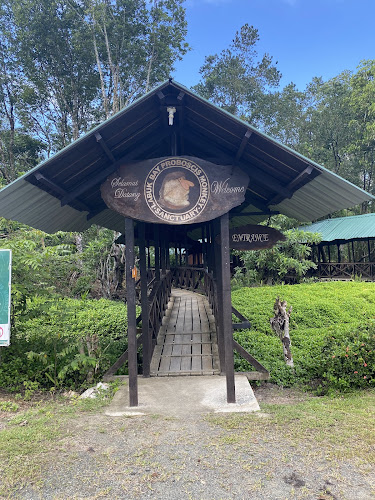
Labuk Bay Proboscis Monkey Sanctuary - Entrance
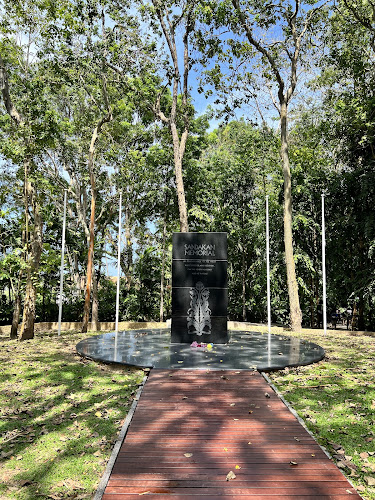
Sandakan Memorial Park
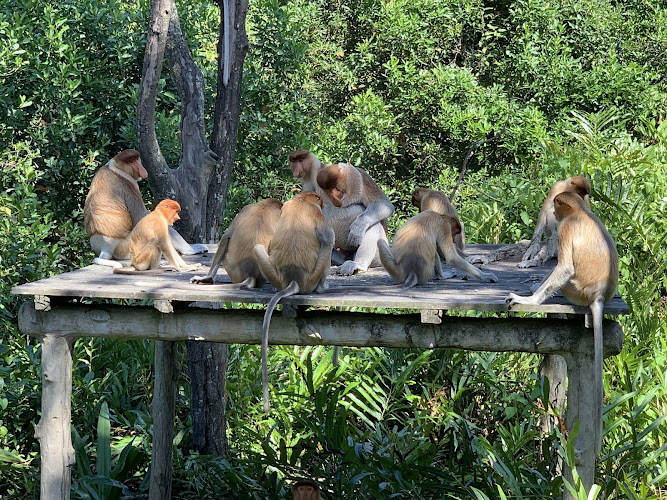
Labuk Bay Proboscis Sanctuary - Platform B
Find Accommodations Nearby
Recommended Tours & Activities
Visitor Reviews
There are no reviews yet. Be the first one to write one.
Share Your Experience
Have you visited Puu Jih Syh Temple? Help other travelers by leaving a review.