Puente de Guadua
About Puente de Guadua
Description
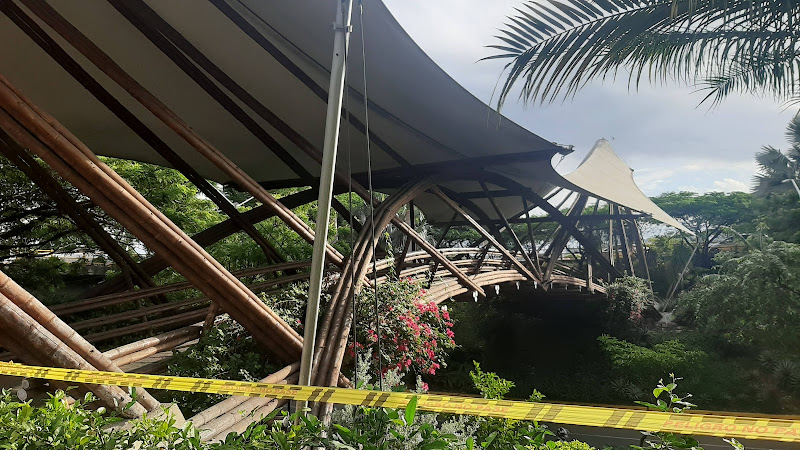
The Puente de Guadua is one of those places that surprises you—not because it’s flashy or grand, but because it feels alive. Built from guadua, a native bamboo that’s both strong and elegant, this bridge stands as a quiet masterpiece of Colombian craftsmanship and eco-architecture. It’s not just a crossing point; it’s a symbol of how tradition and sustainability can blend beautifully in modern design. Travelers often find themselves pausing midway, not to rest, but to simply take in the textures, the smell of bamboo, and the soft creak beneath their feet. It’s a sensory experience as much as it is a visual one.
What’s fascinating is that the bridge isn’t just about function—it tells a story. Guadua has been used in Colombian construction for centuries, and here, it’s elevated to an art form. The structure feels organic, almost as if it grew right out of the landscape. And yet, there’s a modern edge to it, a precision in how each bamboo beam fits perfectly into the next. I remember the first time I walked across it—it was early morning, the air still cool, and the sunlight filtered through the guadua slats in golden streaks. It felt like walking through a piece of living architecture.
Visitors often describe the Puente de Guadua as peaceful, a place that invites you to slow down. Whether you’re a photographer, an architecture enthusiast, or just someone who enjoys discovering hidden gems, this bridge has a quiet charm that’s hard to ignore. Sure, it’s not the biggest or most famous bridge in Colombia, but that’s part of its appeal. It’s understated, human, and deeply connected to the land and people who built it.
Key Features
- Eco-friendly construction: Built primarily from guadua bamboo, known for its strength and sustainability.
- Architectural significance: A blend of traditional Colombian building techniques and modern design principles.
- Scenic views: Offers a panoramic look at the surrounding landscape, especially beautiful during sunrise and sunset.
- Wheelchair accessible: The entrance and pathways are designed to accommodate visitors of all mobility levels.
- Photogenic structure: The natural textures and geometric patterns make it a favorite spot for photographers.
- Cultural symbolism: Represents the fusion of nature, craftsmanship, and innovation in Colombian culture.
What I personally love most is the way the guadua changes color over time. When freshly built, it’s a bright golden hue, but as the years pass, it deepens into a warm, earthy tone that seems to tell its own story. There’s something poetic about that—how even a bridge can age gracefully.
Best Time to Visit
If you ask me, the best time to visit the Puente de Guadua is early in the morning or late in the afternoon. The light is softer, the air cooler, and the bamboo seems to glow in those golden hours. Midday can be quite hot, especially if you’re visiting in the dry season, so it’s worth planning your trip around the sun’s schedule.
The dry months, typically from December to March, are ideal if you prefer clear skies and easy walking conditions. During the wetter months, the nearby vegetation becomes lush and vibrant (in the best sense of the word), but the humidity can make things a bit sticky. Still, there’s something magical about hearing raindrops tapping against the bamboo—it’s like nature’s own percussion concert.
And if you enjoy photography, go right after a light rain. The bridge takes on a glossy sheen, and the reflections are stunning. Bring a light jacket, though; the breeze can catch you off guard.
How to Get There
Reaching the Puente de Guadua is fairly straightforward, especially if you’re already exploring the city. Most visitors choose to take a short taxi or rideshare from the city center, which is both affordable and convenient. If you’re the adventurous type, you can also walk or rent a bike—it’s a pleasant route with plenty of local scenery along the way.
Public transportation is reliable, too. Local buses run routes that drop you within walking distance of the site. Just make sure to ask the driver to let you know when you’re close—it’s easy to miss the stop if you’re not paying attention. And honestly, chatting with locals during the ride can be one of the best parts of the journey. Colombians are naturally friendly and love sharing stories about their city’s landmarks.
If you’re driving, parking is available nearby. It’s not a massive lot, but it’s usually enough unless you’re visiting during a local event or holiday. I once went on a weekend when a small artisan fair was being held nearby—let’s just say, finding a spot was an adventure in itself. But it was worth it for the handmade crafts and the smell of fresh arepas in the air.
Tips for Visiting
A few simple tips can make your visit much more enjoyable. First, wear comfortable shoes. The bridge isn’t long, but you’ll probably end up walking around the area to explore and take photos. The surface can get a bit slippery after rain, so good grip is a must.
Second, bring water and maybe a small snack. There aren’t many vendors right by the bridge, though you’ll find some local cafés and food stands a short walk away. I always make a point to grab a fresh juice afterward—it’s one of those little rituals that make the experience feel complete.
If you’re into photography, visit during different times of day. Morning light highlights the textures of the guadua, while late afternoon casts dramatic shadows that give the bridge a completely different personality. And don’t be shy about taking your time; it’s not a place to rush through. Sit for a while, listen to the wind moving through the bamboo, and let yourself just be there. It’s surprisingly grounding.
One more thing—respect the structure. It’s sturdy, yes, but it’s also a living material that reacts to the elements. Avoid climbing or leaning heavily on the railings. Locals take great pride in maintaining it, and as visitors, it’s on us to help preserve that effort.
Lastly, if you’re traveling with kids or someone with mobility challenges, you’ll be glad to know the bridge is wheelchair accessible. The paths are smooth, and the gentle slope makes it easy to navigate. It’s one of those rare tourist spots that truly welcomes everyone.
All in all, the Puente de Guadua is more than just a bridge—it’s an experience that connects you to the essence of Colombian creativity and resilience. It’s the kind of place that doesn’t shout for attention but quietly earns your admiration. Walking across it, you can’t help but feel a little awe for the ingenuity that turned humble bamboo into something so enduring and beautiful. And maybe, just maybe, you’ll find yourself lingering a bit longer than you planned.
Key Features
- Key Features
- Best Time to Visit
- How to Get There
- Tips for Visiting
More Details
Updated November 7, 2025
Table of Contents
Description
The Puente de Guadua is one of those places that surprises you—not because it’s flashy or grand, but because it feels alive. Built from guadua, a native bamboo that’s both strong and elegant, this bridge stands as a quiet masterpiece of Colombian craftsmanship and eco-architecture. It’s not just a crossing point; it’s a symbol of how tradition and sustainability can blend beautifully in modern design. Travelers often find themselves pausing midway, not to rest, but to simply take in the textures, the smell of bamboo, and the soft creak beneath their feet. It’s a sensory experience as much as it is a visual one.
What’s fascinating is that the bridge isn’t just about function—it tells a story. Guadua has been used in Colombian construction for centuries, and here, it’s elevated to an art form. The structure feels organic, almost as if it grew right out of the landscape. And yet, there’s a modern edge to it, a precision in how each bamboo beam fits perfectly into the next. I remember the first time I walked across it—it was early morning, the air still cool, and the sunlight filtered through the guadua slats in golden streaks. It felt like walking through a piece of living architecture.
Visitors often describe the Puente de Guadua as peaceful, a place that invites you to slow down. Whether you’re a photographer, an architecture enthusiast, or just someone who enjoys discovering hidden gems, this bridge has a quiet charm that’s hard to ignore. Sure, it’s not the biggest or most famous bridge in Colombia, but that’s part of its appeal. It’s understated, human, and deeply connected to the land and people who built it.
Key Features
- Eco-friendly construction: Built primarily from guadua bamboo, known for its strength and sustainability.
- Architectural significance: A blend of traditional Colombian building techniques and modern design principles.
- Scenic views: Offers a panoramic look at the surrounding landscape, especially beautiful during sunrise and sunset.
- Wheelchair accessible: The entrance and pathways are designed to accommodate visitors of all mobility levels.
- Photogenic structure: The natural textures and geometric patterns make it a favorite spot for photographers.
- Cultural symbolism: Represents the fusion of nature, craftsmanship, and innovation in Colombian culture.
What I personally love most is the way the guadua changes color over time. When freshly built, it’s a bright golden hue, but as the years pass, it deepens into a warm, earthy tone that seems to tell its own story. There’s something poetic about that—how even a bridge can age gracefully.
Best Time to Visit
If you ask me, the best time to visit the Puente de Guadua is early in the morning or late in the afternoon. The light is softer, the air cooler, and the bamboo seems to glow in those golden hours. Midday can be quite hot, especially if you’re visiting in the dry season, so it’s worth planning your trip around the sun’s schedule.
The dry months, typically from December to March, are ideal if you prefer clear skies and easy walking conditions. During the wetter months, the nearby vegetation becomes lush and vibrant (in the best sense of the word), but the humidity can make things a bit sticky. Still, there’s something magical about hearing raindrops tapping against the bamboo—it’s like nature’s own percussion concert.
And if you enjoy photography, go right after a light rain. The bridge takes on a glossy sheen, and the reflections are stunning. Bring a light jacket, though; the breeze can catch you off guard.
How to Get There
Reaching the Puente de Guadua is fairly straightforward, especially if you’re already exploring the city. Most visitors choose to take a short taxi or rideshare from the city center, which is both affordable and convenient. If you’re the adventurous type, you can also walk or rent a bike—it’s a pleasant route with plenty of local scenery along the way.
Public transportation is reliable, too. Local buses run routes that drop you within walking distance of the site. Just make sure to ask the driver to let you know when you’re close—it’s easy to miss the stop if you’re not paying attention. And honestly, chatting with locals during the ride can be one of the best parts of the journey. Colombians are naturally friendly and love sharing stories about their city’s landmarks.
If you’re driving, parking is available nearby. It’s not a massive lot, but it’s usually enough unless you’re visiting during a local event or holiday. I once went on a weekend when a small artisan fair was being held nearby—let’s just say, finding a spot was an adventure in itself. But it was worth it for the handmade crafts and the smell of fresh arepas in the air.
Tips for Visiting
A few simple tips can make your visit much more enjoyable. First, wear comfortable shoes. The bridge isn’t long, but you’ll probably end up walking around the area to explore and take photos. The surface can get a bit slippery after rain, so good grip is a must.
Second, bring water and maybe a small snack. There aren’t many vendors right by the bridge, though you’ll find some local cafés and food stands a short walk away. I always make a point to grab a fresh juice afterward—it’s one of those little rituals that make the experience feel complete.
If you’re into photography, visit during different times of day. Morning light highlights the textures of the guadua, while late afternoon casts dramatic shadows that give the bridge a completely different personality. And don’t be shy about taking your time; it’s not a place to rush through. Sit for a while, listen to the wind moving through the bamboo, and let yourself just be there. It’s surprisingly grounding.
One more thing—respect the structure. It’s sturdy, yes, but it’s also a living material that reacts to the elements. Avoid climbing or leaning heavily on the railings. Locals take great pride in maintaining it, and as visitors, it’s on us to help preserve that effort.
Lastly, if you’re traveling with kids or someone with mobility challenges, you’ll be glad to know the bridge is wheelchair accessible. The paths are smooth, and the gentle slope makes it easy to navigate. It’s one of those rare tourist spots that truly welcomes everyone.
All in all, the Puente de Guadua is more than just a bridge—it’s an experience that connects you to the essence of Colombian creativity and resilience. It’s the kind of place that doesn’t shout for attention but quietly earns your admiration. Walking across it, you can’t help but feel a little awe for the ingenuity that turned humble bamboo into something so enduring and beautiful. And maybe, just maybe, you’ll find yourself lingering a bit longer than you planned.

Key Highlights
- Key Features
- Best Time to Visit
- How to Get There
- Tips for Visiting
Location
Places to Stay Near Puente de Guadua
Find and Book a Tour
Explore More Travel Guides
No reviews found! Be the first to review!
Traveler Reviews for Puente de Guadua
There are no reviews yet. Be the first one to write one.
Have you visited Puente de Guadua? Help other travelers by sharing your review.
Find Accommodations Nearby
Recommended Tours & Activities
Visitor Reviews
There are no reviews yet. Be the first one to write one.
Share Your Experience
Have you visited Puente de Guadua? Help other travelers by leaving a review.