Place of Memory, Tolerance and Social Inclusion (LUM)
About Place of Memory, Tolerance and Social Inclusion (LUM)
Description
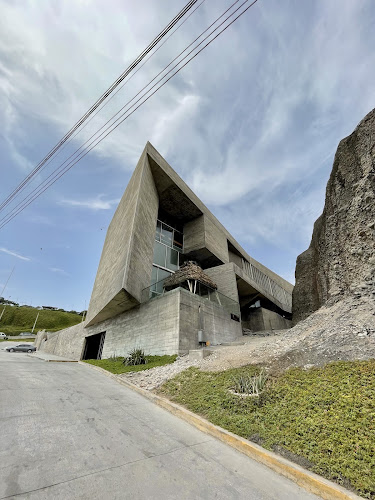
[The Space of Memory, Tolerance and Social Inclusion (LUM) serves as a powerful testament to Peru's journey of healing and reconciliation after a dark period of internal conflict](https://arquitecturaviva.com/works/space-of-memory). Located in Lima's Miraflores district, this thought-provoking museum documents the harrowing events that took place between 1980 and 2000, when terrorist organizations and government forces engaged in a conflict that deeply affected Peruvian society. You know, walking through these halls hits differently than your typical museum visit. The exhibits are raw, honest, and sometimes difficult to process - but that's exactly what makes this place so important. Through photographs, testimonies, and personal artifacts, you'll gain deep insights into how this period shaped modern Peru.Key Features
• Multi-floor permanent exhibition chronicling the chronological events of the conflict • Interactive digital archives where visitors can access testimonies and historical documents • Memorial wall honoring victims and survivors • Contemporary art installations reflecting themes of memory and reconciliation • Educational center hosting workshops and discussions • Observation deck offering panoramic views of Lima's coastline • Documentation center with extensive research materials • Temporary exhibition spaces featuring rotating collections • Meditation areas for reflection and contemplation • Multi-purpose auditorium for cultural events and presentationsBest Time to Visit
I've found that weekday mornings, particularly Tuesday through Thursday, offer the most contemplative atmosphere to explore the museum. The exhibits deserve your full attention, and fewer crowds mean you can take your time with each display. If you're visiting during peak tourist season (June-August), try to arrive right when they open. The museum's content can be emotionally intense, so I always suggest setting aside at least 2-3 hours for your visit. This gives you enough time to process everything and take breaks when needed. The late afternoon light streaming through the building's distinctive architecture creates an especially moving ambiance.How to Get There
Getting to LUM is pretty straightforward. If you're staying in Miraflores, it's an easy 10-minute taxi ride. The museum is also accessible via the Metropolitano bus system - just hop off at the Estadio Nacional station and walk about 15 minutes. Uber and local taxi apps work great too, but make sure to have the exact name handy as some drivers might not know it as "LUM." From Central Lima, expect about a 30-minute drive, though this can stretch to an hour during rush hour (avoid 8-10 AM and 5-7 PM if possible). Trust me, I learned this one the hard way! The museum is well-marked once you're in the area, and its modern architecture makes it hard to miss.Tips for Visiting
Listen, this isn't your typical tourist spot, and there are some things I wish someone had told me before my first visit. The content is heavy - it deals with real historical trauma - so prepare yourself emotionally. Take breaks when you need them; there's a lovely café area where you can pause and reflect. Download the museum's audio guide app before your visit - it's available in English and Spanish and adds incredible depth to the experience. I'd definitely recommend bringing a light jacket (Lima's coastal breeze can be chilly) and comfortable walking shoes. Photography is allowed in most areas, but please be mindful and respectful of the sensitive nature of some exhibits. The information panels are primarily in Spanish, but English translations are available through the audio guide and printed materials. If you're interested in diving deeper, check out their calendar for special exhibitions and events. They often host fascinating talks and documentary screenings. And don't rush through - some of the most powerful moments come from simply taking time to absorb and reflect. The museum shop offers thoughtfully curated books and materials about Peru's history if you want to learn more. Just remember, this isn't about ticking off another tourist attraction - it's about understanding a crucial chapter in Peru's history and its ongoing journey toward reconciliation. Oh, and one last thing - if you're planning to visit with kids, I'd recommend checking the museum's website for age-appropriate visiting hours and guided tours. They do a remarkable job of handling sensitive content for younger visitors while maintaining the integrity of the historical narrative.Key Features
- Key Features
- Best Time to Visit
- How to Get There
- Tips for Visiting
More Details
Updated June 26, 2025
Table of Contents
- Description
- Key Features
- Best Time to Visit
- How to Get There
- Tips for Visiting
- Key Highlights
- Location
- Places to Stay Near Place of Memory, Tolerance and Social Inclusion (LUM)
- Find and Book a Tour
- Explore More Travel Guides
- Nearby Places You Might Like
- Traveler Reviews for Place of Memory, Tolerance and Social Inclusion (LUM)
- Share Your Experience
Description
[The Space of Memory, Tolerance and Social Inclusion (LUM) serves as a powerful testament to Peru’s journey of healing and reconciliation after a dark period of internal conflict](https://arquitecturaviva.com/works/space-of-memory). Located in Lima’s Miraflores district, this thought-provoking museum documents the harrowing events that took place between 1980 and 2000, when terrorist organizations and government forces engaged in a conflict that deeply affected Peruvian society.
You know, walking through these halls hits differently than your typical museum visit. The exhibits are raw, honest, and sometimes difficult to process – but that’s exactly what makes this place so important. Through photographs, testimonies, and personal artifacts, you’ll gain deep insights into how this period shaped modern Peru.
Key Features
• Multi-floor permanent exhibition chronicling the chronological events of the conflict
• Interactive digital archives where visitors can access testimonies and historical documents
• Memorial wall honoring victims and survivors
• Contemporary art installations reflecting themes of memory and reconciliation
• Educational center hosting workshops and discussions
• Observation deck offering panoramic views of Lima’s coastline
• Documentation center with extensive research materials
• Temporary exhibition spaces featuring rotating collections
• Meditation areas for reflection and contemplation
• Multi-purpose auditorium for cultural events and presentations
Best Time to Visit
I’ve found that weekday mornings, particularly Tuesday through Thursday, offer the most contemplative atmosphere to explore the museum. The exhibits deserve your full attention, and fewer crowds mean you can take your time with each display. If you’re visiting during peak tourist season (June-August), try to arrive right when they open.
The museum’s content can be emotionally intense, so I always suggest setting aside at least 2-3 hours for your visit. This gives you enough time to process everything and take breaks when needed. The late afternoon light streaming through the building’s distinctive architecture creates an especially moving ambiance.
How to Get There
Getting to LUM is pretty straightforward. If you’re staying in Miraflores, it’s an easy 10-minute taxi ride. The museum is also accessible via the Metropolitano bus system – just hop off at the Estadio Nacional station and walk about 15 minutes. Uber and local taxi apps work great too, but make sure to have the exact name handy as some drivers might not know it as “LUM.”
From Central Lima, expect about a 30-minute drive, though this can stretch to an hour during rush hour (avoid 8-10 AM and 5-7 PM if possible). Trust me, I learned this one the hard way! The museum is well-marked once you’re in the area, and its modern architecture makes it hard to miss.
Tips for Visiting
Listen, this isn’t your typical tourist spot, and there are some things I wish someone had told me before my first visit. The content is heavy – it deals with real historical trauma – so prepare yourself emotionally. Take breaks when you need them; there’s a lovely café area where you can pause and reflect.
Download the museum’s audio guide app before your visit – it’s available in English and Spanish and adds incredible depth to the experience. I’d definitely recommend bringing a light jacket (Lima’s coastal breeze can be chilly) and comfortable walking shoes.
Photography is allowed in most areas, but please be mindful and respectful of the sensitive nature of some exhibits. The information panels are primarily in Spanish, but English translations are available through the audio guide and printed materials.
If you’re interested in diving deeper, check out their calendar for special exhibitions and events. They often host fascinating talks and documentary screenings. And don’t rush through – some of the most powerful moments come from simply taking time to absorb and reflect.
The museum shop offers thoughtfully curated books and materials about Peru’s history if you want to learn more. Just remember, this isn’t about ticking off another tourist attraction – it’s about understanding a crucial chapter in Peru’s history and its ongoing journey toward reconciliation.
Oh, and one last thing – if you’re planning to visit with kids, I’d recommend checking the museum’s website for age-appropriate visiting hours and guided tours. They do a remarkable job of handling sensitive content for younger visitors while maintaining the integrity of the historical narrative.
Key Highlights
- Key Features
- Best Time to Visit
- How to Get There
- Tips for Visiting
Location
Places to Stay Near Place of Memory, Tolerance and Social Inclusion (LUM)
Find and Book a Tour
Explore More Travel Guides
No reviews found! Be the first to review!
Traveler Reviews for Place of Memory, Tolerance and Social Inclusion (LUM)
There are no reviews yet. Be the first one to write one.
Have you visited Place of Memory, Tolerance and Social Inclusion (LUM)? Help other travelers by sharing your review.
Find Accommodations Nearby
Recommended Tours & Activities
Visitor Reviews
There are no reviews yet. Be the first one to write one.
Share Your Experience
Have you visited Place of Memory, Tolerance and Social Inclusion (LUM)? Help other travelers by leaving a review.
