
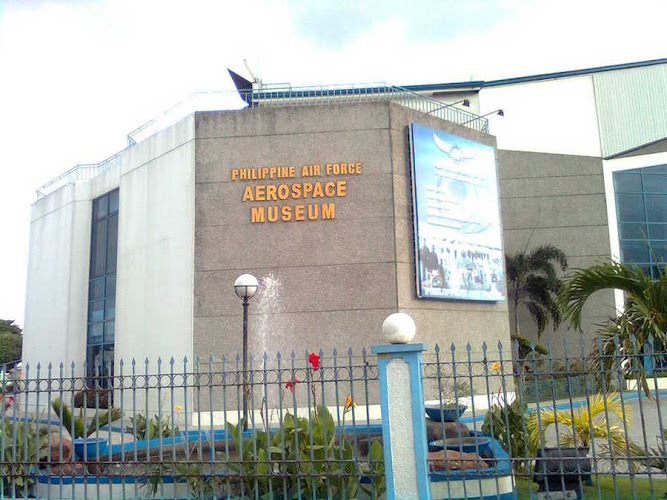
Philippine Air Force Aerospace Museum
About Philippine Air Force Aerospace Museum
Description
The Philippine Air Force Aerospace Museum in Pasay City is one of those places that quietly surprises you. It’s not flashy or over-the-top, but it has this undeniable charm that pulls you in if you’ve ever been curious about planes, history, or the stories of the men and women who’ve served in the skies. Established back in 1974, it stands proudly within Villamor Air Base, just a stone’s throw away from the busy Ninoy Aquino International Airport Terminal 3. You can actually hear the hum of modern aircraft taking off while you’re standing near vintage jets that once ruled the skies decades ago—it’s a bit surreal, honestly.
Inside, the museum is part history lesson, part time machine. You’ll find aircraft models, uniforms, flight instruments, and even dioramas that give you a glimpse into how aviation shaped the Philippines’ defense and progress. There’s something oddly grounding about seeing the evolution of the Philippine Air Force laid out before your eyes—from the propeller-driven planes of the mid-20th century to the sleek jets that symbolize modern air power. And while the museum isn’t huge, it’s well-curated and full of heart. You can tell that the people running it care deeply about preserving this history.
It’s also a great stop for families. Kids love the aircraft display area outside, where they can walk right up to old fighter planes and helicopters. There’s a certain magic in standing under the wing of a real aircraft, feeling the metal, and imagining what it must’ve been like to soar thousands of feet above. The museum is accessible too—wheelchair-friendly entrances, restrooms, and pathways make it easy for everyone to explore comfortably. It’s not a place that screams “tourist attraction,” but that’s part of its appeal. It feels authentic, like you’ve stumbled upon a piece of living history that hasn’t been overly commercialized.
Now, not everything’s perfect. Some exhibits could use a bit of updating, and a few displays show their age. But that’s kind of the charm. It’s a genuine, grassroots museum experience—more about substance than show. You’ll walk away with a deeper appreciation for the Philippine Air Force and the role aviation has played in shaping the nation’s story. And if you’re the kind of traveler who loves discovering places that most people overlook, this one’s a gem hiding in plain sight.
Key Features
- Historic Aircraft Collection: A fascinating lineup of vintage planes and helicopters used by the Philippine Air Force, from training aircraft to fighter jets.
- Interactive Exhibits: Displays that let visitors explore aviation technology, flight gear, and even cockpit instruments up close.
- Heritage Hall: A gallery dedicated to the heroes of Philippine aviation, complete with medals, portraits, and wartime memorabilia.
- Dioramas and Miniatures: Detailed models illustrating key moments in Philippine air defense history and military operations.
- Outdoor Aircraft Park: A spacious area where you can walk among real aircraft—perfect for photos and hands-on learning.
- Accessibility: Wheelchair-accessible facilities including restrooms, entrances, and parking spaces.
- Family-Friendly Environment: Safe and engaging for kids, with plenty of open space and educational displays.
- Educational Value: Ideal for students, aviation enthusiasts, and anyone interested in military history or engineering.
Best Time to Visit
Honestly, any time of the year works, but if you want to make the most of your visit, aim for the dry months between December and May. The outdoor aircraft park is much more enjoyable when it’s sunny, and you won’t have to dodge puddles or carry an umbrella. Weekdays are usually quieter, which means you can take your time exploring without feeling rushed. If you visit on a weekend, expect a few families and school groups—it’s quite popular for educational trips. Personally, mornings are my favorite time to go. There’s something peaceful about the early light hitting the old planes, and the air feels just a bit cooler before the Manila heat kicks in.
And here’s a little insider tip: if you happen to visit around Philippine Air Force Day (usually in July), you might catch special exhibits or events. The atmosphere gets a bit more festive, and sometimes you’ll even see uniformed personnel around, adding to the experience. It’s those small, unplanned moments that make a visit feel special.
How to Get There
Getting to the museum is pretty straightforward. It’s right inside Villamor Air Base in Pasay City, which is basically next door to NAIA Terminal 3. If you’re flying into Manila, you could literally drop by before heading to your hotel—it’s that close. For those coming from other parts of Metro Manila, taxis and ride-hailing apps like Grab are the easiest options. Just type “Philippine Air Force Aerospace Museum” and you’ll be guided straight to the entrance. Public transportation is possible too; buses and jeepneys heading toward Pasay or the airport area can drop you nearby, but you’ll need to walk a bit to the gate.
For drivers, there’s parking available inside the base, though it can get full during weekends or holidays. The guards at the gate are generally friendly and helpful—just bring a valid ID since you’re entering a military facility. It’s all pretty straightforward once you’re there. The museum isn’t hard to find, but it’s tucked away enough that it still feels like a hidden find amid the city’s chaos.
Tips for Visiting
Here’s what I’ve learned from visiting a few times (and from dragging a couple of friends along who didn’t think they’d enjoy it but ended up loving it):
- Bring a valid ID. You’ll need to present one at the gate since it’s inside an active air base.
- Go early. The museum opens in the morning, and it’s best to start your visit before noon to avoid the heat, especially if you want to explore the outdoor displays comfortably.
- Take your time. Don’t rush through the exhibits. Some of the stories behind the displays are fascinating if you pause to read the captions or chat with the staff—they’re usually happy to share more context.
- Photography is allowed. Bring your camera or phone fully charged. The aircraft park is fantastic for photos, especially if you love aviation or retro aesthetics.
- Stay hydrated. There’s no restaurant inside, so bring a bottle of water. You can grab snacks from nearby convenience stores before entering.
- Bring kids along. It’s a surprisingly great place for children to learn about science, history, and engineering in a hands-on way.
- Combine your visit. Since it’s so close to the airport, you can easily pair it with other nearby attractions like Newport City or a meal at one of the restaurants around NAIA Terminal 3.
- Respect the space. Remember, this is not just a museum—it’s part of a military base. Be mindful of restricted areas and follow the posted rules.
One last thought: what makes the Philippine Air Force Aerospace Museum special isn’t just the aircraft or the artifacts—it’s the feeling you get walking through it. You’re surrounded by decades of innovation, courage, and national pride. It’s humbling and inspiring at the same time. It’s the kind of place that makes you pause and think about how far aviation has come, and how much of it was built on the dedication of people who loved flight enough to risk everything for it.
If you’re the type of traveler who enjoys discovering meaningful places off the typical tourist radar, this museum deserves a spot on your itinerary. It’s a quiet reminder that history doesn’t always live in grand palaces or monuments—sometimes, it’s right there in the hangar of an air base, waiting for you to walk in and listen to the stories it has to tell.
Key Features
- Key Features
- Best Time to Visit
- How to Get There
- Tips for Visiting
More Details
Updated November 7, 2025
Table of Contents
- Description
- Key Features
- Best Time to Visit
- How to Get There
- Tips for Visiting
- Key Highlights
- Location
- Places to Stay Near Philippine Air Force Aerospace Museum
- Find and Book a Tour
- Explore More Travel Guides
- Nearby Places You Might Like
- Traveler Reviews for Philippine Air Force Aerospace Museum
- Share Your Experience
Description
The Philippine Air Force Aerospace Museum in Pasay City is one of those places that quietly surprises you. It’s not flashy or over-the-top, but it has this undeniable charm that pulls you in if you’ve ever been curious about planes, history, or the stories of the men and women who’ve served in the skies. Established back in 1974, it stands proudly within Villamor Air Base, just a stone’s throw away from the busy Ninoy Aquino International Airport Terminal 3. You can actually hear the hum of modern aircraft taking off while you’re standing near vintage jets that once ruled the skies decades ago—it’s a bit surreal, honestly.
Inside, the museum is part history lesson, part time machine. You’ll find aircraft models, uniforms, flight instruments, and even dioramas that give you a glimpse into how aviation shaped the Philippines’ defense and progress. There’s something oddly grounding about seeing the evolution of the Philippine Air Force laid out before your eyes—from the propeller-driven planes of the mid-20th century to the sleek jets that symbolize modern air power. And while the museum isn’t huge, it’s well-curated and full of heart. You can tell that the people running it care deeply about preserving this history.
It’s also a great stop for families. Kids love the aircraft display area outside, where they can walk right up to old fighter planes and helicopters. There’s a certain magic in standing under the wing of a real aircraft, feeling the metal, and imagining what it must’ve been like to soar thousands of feet above. The museum is accessible too—wheelchair-friendly entrances, restrooms, and pathways make it easy for everyone to explore comfortably. It’s not a place that screams “tourist attraction,” but that’s part of its appeal. It feels authentic, like you’ve stumbled upon a piece of living history that hasn’t been overly commercialized.
Now, not everything’s perfect. Some exhibits could use a bit of updating, and a few displays show their age. But that’s kind of the charm. It’s a genuine, grassroots museum experience—more about substance than show. You’ll walk away with a deeper appreciation for the Philippine Air Force and the role aviation has played in shaping the nation’s story. And if you’re the kind of traveler who loves discovering places that most people overlook, this one’s a gem hiding in plain sight.
Key Features
- Historic Aircraft Collection: A fascinating lineup of vintage planes and helicopters used by the Philippine Air Force, from training aircraft to fighter jets.
- Interactive Exhibits: Displays that let visitors explore aviation technology, flight gear, and even cockpit instruments up close.
- Heritage Hall: A gallery dedicated to the heroes of Philippine aviation, complete with medals, portraits, and wartime memorabilia.
- Dioramas and Miniatures: Detailed models illustrating key moments in Philippine air defense history and military operations.
- Outdoor Aircraft Park: A spacious area where you can walk among real aircraft—perfect for photos and hands-on learning.
- Accessibility: Wheelchair-accessible facilities including restrooms, entrances, and parking spaces.
- Family-Friendly Environment: Safe and engaging for kids, with plenty of open space and educational displays.
- Educational Value: Ideal for students, aviation enthusiasts, and anyone interested in military history or engineering.
Best Time to Visit
Honestly, any time of the year works, but if you want to make the most of your visit, aim for the dry months between December and May. The outdoor aircraft park is much more enjoyable when it’s sunny, and you won’t have to dodge puddles or carry an umbrella. Weekdays are usually quieter, which means you can take your time exploring without feeling rushed. If you visit on a weekend, expect a few families and school groups—it’s quite popular for educational trips. Personally, mornings are my favorite time to go. There’s something peaceful about the early light hitting the old planes, and the air feels just a bit cooler before the Manila heat kicks in.
And here’s a little insider tip: if you happen to visit around Philippine Air Force Day (usually in July), you might catch special exhibits or events. The atmosphere gets a bit more festive, and sometimes you’ll even see uniformed personnel around, adding to the experience. It’s those small, unplanned moments that make a visit feel special.
How to Get There
Getting to the museum is pretty straightforward. It’s right inside Villamor Air Base in Pasay City, which is basically next door to NAIA Terminal 3. If you’re flying into Manila, you could literally drop by before heading to your hotel—it’s that close. For those coming from other parts of Metro Manila, taxis and ride-hailing apps like Grab are the easiest options. Just type “Philippine Air Force Aerospace Museum” and you’ll be guided straight to the entrance. Public transportation is possible too; buses and jeepneys heading toward Pasay or the airport area can drop you nearby, but you’ll need to walk a bit to the gate.
For drivers, there’s parking available inside the base, though it can get full during weekends or holidays. The guards at the gate are generally friendly and helpful—just bring a valid ID since you’re entering a military facility. It’s all pretty straightforward once you’re there. The museum isn’t hard to find, but it’s tucked away enough that it still feels like a hidden find amid the city’s chaos.
Tips for Visiting
Here’s what I’ve learned from visiting a few times (and from dragging a couple of friends along who didn’t think they’d enjoy it but ended up loving it):
- Bring a valid ID. You’ll need to present one at the gate since it’s inside an active air base.
- Go early. The museum opens in the morning, and it’s best to start your visit before noon to avoid the heat, especially if you want to explore the outdoor displays comfortably.
- Take your time. Don’t rush through the exhibits. Some of the stories behind the displays are fascinating if you pause to read the captions or chat with the staff—they’re usually happy to share more context.
- Photography is allowed. Bring your camera or phone fully charged. The aircraft park is fantastic for photos, especially if you love aviation or retro aesthetics.
- Stay hydrated. There’s no restaurant inside, so bring a bottle of water. You can grab snacks from nearby convenience stores before entering.
- Bring kids along. It’s a surprisingly great place for children to learn about science, history, and engineering in a hands-on way.
- Combine your visit. Since it’s so close to the airport, you can easily pair it with other nearby attractions like Newport City or a meal at one of the restaurants around NAIA Terminal 3.
- Respect the space. Remember, this is not just a museum—it’s part of a military base. Be mindful of restricted areas and follow the posted rules.
One last thought: what makes the Philippine Air Force Aerospace Museum special isn’t just the aircraft or the artifacts—it’s the feeling you get walking through it. You’re surrounded by decades of innovation, courage, and national pride. It’s humbling and inspiring at the same time. It’s the kind of place that makes you pause and think about how far aviation has come, and how much of it was built on the dedication of people who loved flight enough to risk everything for it.
If you’re the type of traveler who enjoys discovering meaningful places off the typical tourist radar, this museum deserves a spot on your itinerary. It’s a quiet reminder that history doesn’t always live in grand palaces or monuments—sometimes, it’s right there in the hangar of an air base, waiting for you to walk in and listen to the stories it has to tell.
Key Highlights
- Key Features
- Best Time to Visit
- How to Get There
- Tips for Visiting
Location
Places to Stay Near Philippine Air Force Aerospace Museum
Find and Book a Tour
Explore More Travel Guides
No reviews found! Be the first to review!
Traveler Reviews for Philippine Air Force Aerospace Museum
There are no reviews yet. Be the first one to write one.
Have you visited Philippine Air Force Aerospace Museum? Help other travelers by sharing your review.
You Might Also Like
SM MOA Eye

Star City

Archdiocesan Shrine of Jesus the Way, the Truth, and the Life
Find Accommodations Nearby
Recommended Tours & Activities
Visitor Reviews
There are no reviews yet. Be the first one to write one.
Share Your Experience
Have you visited Philippine Air Force Aerospace Museum? Help other travelers by leaving a review.