About Parque Zoológico Municipal de Bauru

Description

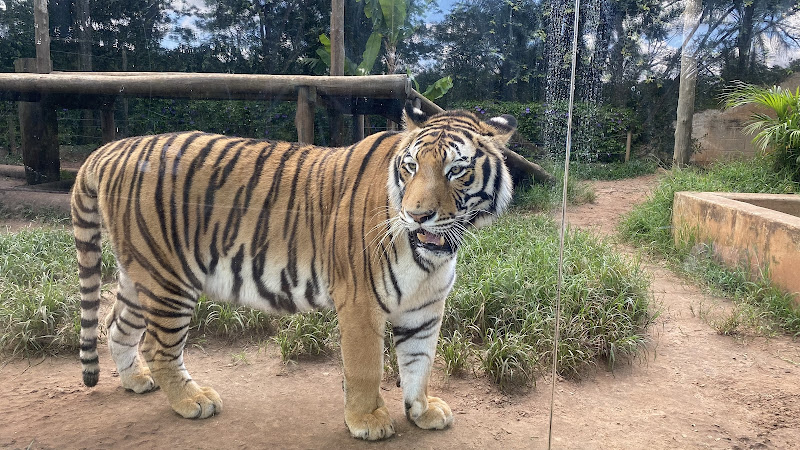
The Parque Zoológico Municipal de Bauru is the kind of place that quietly wins you over. It’s organized, shaded, and refreshingly focused on conservation rather than spectacle. This is a breeding zoo with a serious mission: protecting jungle cats and primates native to Brazil and South America, while also educating the public in a way that doesn’t feel preachy. You walk in expecting a simple afternoon stroll and end up staying longer than planned because, well, there’s a lot going on here if you slow down and actually look. The layout feels like a park first and a zoo second, which I personally appreciate. Wide paths wind through tall trees, and there’s enough green cover that even on warm days it doesn’t feel oppressive. I remember visiting on a slightly overcast afternoon, thinking I’d do a quick lap and leave. Two hours later, I was still lingering near the primate enclosures, watching keepers interact with animals that clearly recognized them. That’s when it hit me: this place is more about relationships than displays. The zoo is known for its work with jungle cats like jaguars, pumas, and ocelots. And yes, seeing a jaguar up close is a heart-stopping moment, even if you’ve seen one before in other parks. There’s something about knowing these animals are part of breeding and conservation programs that adds weight to the experience. It’s not flashy. It’s purposeful. And that matters, especially if you’re traveling with kids and want them to leave with more than photos. Primates are another strong point. Capuchins, howler monkeys, and other species are housed in enclosures that prioritize space and enrichment. You might catch a feeding session or hear the unmistakable calls echoing through the trees. And no, it’s not always perfectly quiet or pristine. Some areas show their age. But honestly, that just makes it feel real, like a working zoo rather than a polished theme park. Beyond mammals, there are aviaries filled with native and exotic birds, a reptile house that’s surprisingly informative, and a penguin pool that tends to be a crowd magnet. The penguins are probably the most talked-about residents, especially on hot days when they’re active and playful. I’ve seen adults linger there longer than kids, which says something. For travelers, the zoo offers a grounded, educational experience that reflects Brazil’s biodiversity without overwhelming you. It’s not trying to be the biggest or the newest. It’s trying to do things right. And most days, it succeeds.

Key Features

  • Breeding and conservation focus with special attention to jungle cats and primates, including species rarely seen up close.
  • Penguin pool that’s well-maintained and surprisingly engaging, especially during feeding times.
  • Extensive aviaries showcasing colorful birds, many native to Brazil, in walkable enclosures.
  • Reptile house featuring snakes, lizards, and turtles with clear, educational signage.
  • Shaded walking paths that make the visit comfortable even in warmer months.
  • Playground area for kids, useful if you’re traveling with younger family members who need a break.
  • Wheelchair accessible entrance and parking, making it easier for visitors with mobility needs.
  • On-site amenities that accept credit cards, debit cards, and mobile payments, which is more convenient than you’d expect.

Best Time to Visit

Timing matters here. The best time to visit the Parque Zoológico Municipal de Bauru is during the cooler months, roughly from May to September. Temperatures are milder, animals tend to be more active, and walking the paths feels less like a workout. Early mornings are gold. That’s when keepers are active, animals are alert, and the light filtering through the trees makes everything feel calmer. Weekdays are quieter, obviously. If you can swing a Tuesday or Wednesday visit, do it. Weekends bring families, school groups, and a bit more noise. That’s not necessarily bad, but if you’re the type who likes to linger and observe animal behavior, fewer crowds help. I once visited on a Saturday afternoon and found myself waiting behind a group of excited kids at the jaguar enclosure. Cute, yes. Peaceful, not so much. Avoid visiting during extreme heat if possible. While the zoo has plenty of shade, some animals retreat to cooler areas and become harder to spot. Rainy days can be hit or miss. Light rain actually adds a nice atmosphere and cools things down, but heavy rain can limit access to certain areas and make paths slippery. And here’s a small tip from experience: check if there are any school holidays going on. Local holidays can turn a calm zoo into a bustling one very quickly. Not a deal-breaker, just something to be aware of.

How to Get There

Getting to the zoo is straightforward, especially if you’re already in Bauru. The city is well-connected within the state of São Paulo, and once you’re in town, signage pointing toward the zoo is generally clear. If you’re driving, access roads are manageable, and parking is available, including designated spots for visitors with disabilities. Public transportation is an option, though it may require a bit of patience. Local buses run routes that stop near the zoo, but schedules can be irregular depending on the day. If you’re not familiar with the system or don’t speak much Portuguese, rideshare apps or taxis might save you time and confusion. I’ve done both. The bus was cheap and fine, but the taxi was faster and spared me from guessing which stop to get off at. For travelers coming from other cities, Bauru is accessible by regional buses and has decent road connections. Once you arrive at the main terminal, continuing on to the zoo is simple. And honestly, the ride through town gives you a glimpse of everyday life here, which I always enjoy when traveling. Just plan your return trip in advance, especially if you’re relying on public transport. The zoo can easily stretch into a half-day visit, and it’s easy to lose track of time when you’re watching monkeys argue over fruit.

Tips for Visiting

First things first: wear comfortable shoes. This is a walking-heavy attraction, and while paths are well-maintained, you’ll cover a fair bit of ground. Bring water, even though you’ll find places to buy drinks. On warmer days, you’ll thank yourself. If you’re visiting with kids, the playground is a lifesaver. Use it strategically. I’ve seen families rush through exhibits only to end up with overtired kids halfway through. Let them burn off energy early, then take the zoo at a calmer pace. Pay attention to feeding times and educational talks if they’re available during your visit. These moments add real value and context to what you’re seeing. Watching a keeper explain a primate’s behavior while the animal responds in real time is far more memorable than just reading a sign. Photography is allowed, but be respectful. Skip the flash, especially in the reptile house and around sensitive species. And don’t rush for the perfect shot. Some of my favorite memories here aren’t photos at all, but quiet moments, like standing under the trees listening to birds while a howler monkey called somewhere in the distance. Food options are basic, so don’t expect gourmet meals. A snack or light lunch is fine. If you’re picky, consider eating before or after your visit. And yes, payment methods are modern and easy, which is a relief when you realize you forgot cash. Finally, manage expectations. This zoo isn’t about jaw-dropping architecture or endless attractions. It’s about conservation, education, and a slower, more thoughtful experience. If you go in with that mindset, you’ll leave satisfied. Maybe even a little more connected to the wildlife Brazil is working hard to protect.

Key Features

  • Key Features
  • Best Time to Visit
  • How to Get There
  • Tips for Visiting

More Details

Updated December 31, 2025

Description

The Parque Zoológico Municipal de Bauru is the kind of place that quietly wins you over. It’s organized, shaded, and refreshingly focused on conservation rather than spectacle. This is a breeding zoo with a serious mission: protecting jungle cats and primates native to Brazil and South America, while also educating the public in a way that doesn’t feel preachy. You walk in expecting a simple afternoon stroll and end up staying longer than planned because, well, there’s a lot going on here if you slow down and actually look.

The layout feels like a park first and a zoo second, which I personally appreciate. Wide paths wind through tall trees, and there’s enough green cover that even on warm days it doesn’t feel oppressive. I remember visiting on a slightly overcast afternoon, thinking I’d do a quick lap and leave. Two hours later, I was still lingering near the primate enclosures, watching keepers interact with animals that clearly recognized them. That’s when it hit me: this place is more about relationships than displays.

The zoo is known for its work with jungle cats like jaguars, pumas, and ocelots. And yes, seeing a jaguar up close is a heart-stopping moment, even if you’ve seen one before in other parks. There’s something about knowing these animals are part of breeding and conservation programs that adds weight to the experience. It’s not flashy. It’s purposeful. And that matters, especially if you’re traveling with kids and want them to leave with more than photos.

Primates are another strong point. Capuchins, howler monkeys, and other species are housed in enclosures that prioritize space and enrichment. You might catch a feeding session or hear the unmistakable calls echoing through the trees. And no, it’s not always perfectly quiet or pristine. Some areas show their age. But honestly, that just makes it feel real, like a working zoo rather than a polished theme park.

Beyond mammals, there are aviaries filled with native and exotic birds, a reptile house that’s surprisingly informative, and a penguin pool that tends to be a crowd magnet. The penguins are probably the most talked-about residents, especially on hot days when they’re active and playful. I’ve seen adults linger there longer than kids, which says something.

For travelers, the zoo offers a grounded, educational experience that reflects Brazil’s biodiversity without overwhelming you. It’s not trying to be the biggest or the newest. It’s trying to do things right. And most days, it succeeds.

Key Features

  • Breeding and conservation focus with special attention to jungle cats and primates, including species rarely seen up close.
  • Penguin pool that’s well-maintained and surprisingly engaging, especially during feeding times.
  • Extensive aviaries showcasing colorful birds, many native to Brazil, in walkable enclosures.
  • Reptile house featuring snakes, lizards, and turtles with clear, educational signage.
  • Shaded walking paths that make the visit comfortable even in warmer months.
  • Playground area for kids, useful if you’re traveling with younger family members who need a break.
  • Wheelchair accessible entrance and parking, making it easier for visitors with mobility needs.
  • On-site amenities that accept credit cards, debit cards, and mobile payments, which is more convenient than you’d expect.

Best Time to Visit

Timing matters here. The best time to visit the Parque Zoológico Municipal de Bauru is during the cooler months, roughly from May to September. Temperatures are milder, animals tend to be more active, and walking the paths feels less like a workout. Early mornings are gold. That’s when keepers are active, animals are alert, and the light filtering through the trees makes everything feel calmer.

Weekdays are quieter, obviously. If you can swing a Tuesday or Wednesday visit, do it. Weekends bring families, school groups, and a bit more noise. That’s not necessarily bad, but if you’re the type who likes to linger and observe animal behavior, fewer crowds help. I once visited on a Saturday afternoon and found myself waiting behind a group of excited kids at the jaguar enclosure. Cute, yes. Peaceful, not so much.

Avoid visiting during extreme heat if possible. While the zoo has plenty of shade, some animals retreat to cooler areas and become harder to spot. Rainy days can be hit or miss. Light rain actually adds a nice atmosphere and cools things down, but heavy rain can limit access to certain areas and make paths slippery.

And here’s a small tip from experience: check if there are any school holidays going on. Local holidays can turn a calm zoo into a bustling one very quickly. Not a deal-breaker, just something to be aware of.

How to Get There

Getting to the zoo is straightforward, especially if you’re already in Bauru. The city is well-connected within the state of São Paulo, and once you’re in town, signage pointing toward the zoo is generally clear. If you’re driving, access roads are manageable, and parking is available, including designated spots for visitors with disabilities.

Public transportation is an option, though it may require a bit of patience. Local buses run routes that stop near the zoo, but schedules can be irregular depending on the day. If you’re not familiar with the system or don’t speak much Portuguese, rideshare apps or taxis might save you time and confusion. I’ve done both. The bus was cheap and fine, but the taxi was faster and spared me from guessing which stop to get off at.

For travelers coming from other cities, Bauru is accessible by regional buses and has decent road connections. Once you arrive at the main terminal, continuing on to the zoo is simple. And honestly, the ride through town gives you a glimpse of everyday life here, which I always enjoy when traveling.

Just plan your return trip in advance, especially if you’re relying on public transport. The zoo can easily stretch into a half-day visit, and it’s easy to lose track of time when you’re watching monkeys argue over fruit.

Tips for Visiting

First things first: wear comfortable shoes. This is a walking-heavy attraction, and while paths are well-maintained, you’ll cover a fair bit of ground. Bring water, even though you’ll find places to buy drinks. On warmer days, you’ll thank yourself.

If you’re visiting with kids, the playground is a lifesaver. Use it strategically. I’ve seen families rush through exhibits only to end up with overtired kids halfway through. Let them burn off energy early, then take the zoo at a calmer pace.

Pay attention to feeding times and educational talks if they’re available during your visit. These moments add real value and context to what you’re seeing. Watching a keeper explain a primate’s behavior while the animal responds in real time is far more memorable than just reading a sign.

Photography is allowed, but be respectful. Skip the flash, especially in the reptile house and around sensitive species. And don’t rush for the perfect shot. Some of my favorite memories here aren’t photos at all, but quiet moments, like standing under the trees listening to birds while a howler monkey called somewhere in the distance.

Food options are basic, so don’t expect gourmet meals. A snack or light lunch is fine. If you’re picky, consider eating before or after your visit. And yes, payment methods are modern and easy, which is a relief when you realize you forgot cash.

Finally, manage expectations. This zoo isn’t about jaw-dropping architecture or endless attractions. It’s about conservation, education, and a slower, more thoughtful experience. If you go in with that mindset, you’ll leave satisfied. Maybe even a little more connected to the wildlife Brazil is working hard to protect.

Key Highlights

  • Key Features
  • Best Time to Visit
  • How to Get There
  • Tips for Visiting

Location

Places to Stay Near Parque Zoológico Municipal de Bauru

Find and Book a Tour

Explore More Travel Guides

No reviews found! Be the first to review!

Traveler Reviews for Parque Zoológico Municipal de Bauru

There are no reviews yet. Be the first one to write one.

Share Your Experience

Have you visited Parque Zoológico Municipal de Bauru? Help other travelers by sharing your review.

Find Accommodations Nearby

Recommended Tours & Activities

Visitor Reviews

There are no reviews yet. Be the first one to write one.

Share Your Experience

Have you visited Parque Zoológico Municipal de Bauru? Help other travelers by leaving a review.