Parque Santander
About Parque Santander
Description
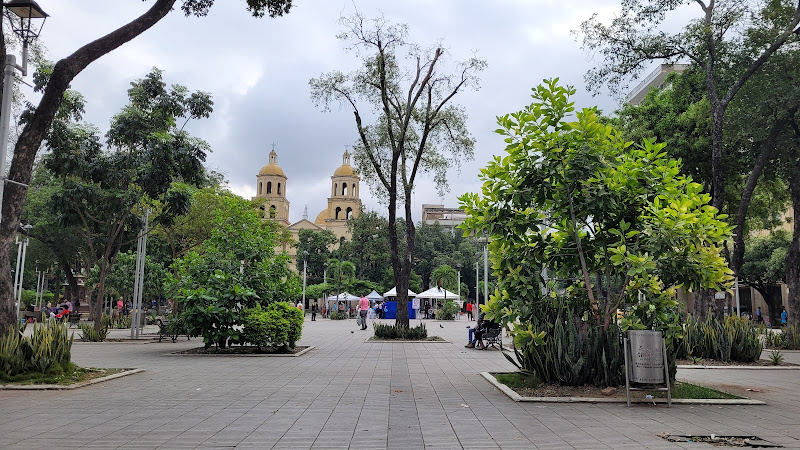
Parque Santander is one of those places that feels alive the moment you step into it. You can hear the chatter of locals, the laughter of kids chasing each other around the fountains, and the faint hum of street vendors calling out their daily specials. It’s not a quiet park, not really—and that’s part of its charm. It sits right in the heart of Cúcuta, a city that never seems to stop moving. The park’s centerpiece, a bronze statue of Francisco de Paula Santander, stands tall and proud, reminding everyone of the city’s deep historical roots. I remember the first time I walked through this park—it was just before sunset, and the light hit the statue in such a way that it looked almost golden. People were sitting on benches, sipping coffee, chatting about politics or football, and it felt like I was part of something timeless.
This park is more than just a green space; it’s a meeting point, a stage for local events, and a breathing space in a busy city. You’ll often find cultural performances, small concerts, and community gatherings happening here. The energy is contagious, and even if you come alone, you won’t feel lonely for long. There’s always someone to talk to, whether it’s a friendly vendor selling arepas or an elderly man eager to share stories about the city’s past. It’s not perfect—sometimes it gets crowded, and yes, the pigeons can be a bit too friendly—but it’s real, and that’s what makes it worth visiting.
Key Features
- Central bronze statue of Francisco de Paula Santander, a key figure in Colombia’s independence movement.
- Ample seating areas shaded by tall trees, perfect for people-watching or a quiet rest.
- Frequent cultural events, including music performances, art exhibitions, and civic celebrations.
- Wheelchair-accessible paths and entrances, making it inclusive for all visitors.
- Pet-friendly environment where dogs are welcome (and you’ll see plenty of them trotting happily around).
- Safe and family-oriented atmosphere, ideal for children to play and explore.
- Street vendors and local cafés nearby offering snacks, cold drinks, and traditional Colombian treats.
If you’re into photography, this park is a gem. The mix of colonial architecture surrounding it, the play of light through the trees, and the movement of people make for some truly candid shots. I’ve spent hours here just watching the light change and capturing little slices of daily life. And if you’re a history buff, the statue itself is worth a closer look—it’s not just a monument; it’s a symbol of pride for the entire region.
Best Time to Visit
The park is open year-round, but the best time to visit really depends on what kind of experience you’re after. Personally, I love coming in the late afternoon, just before dusk. The air cools down, the golden light filters through the trees, and the locals start to gather after work. It’s when the park feels most alive but not too hectic. Mornings are also great if you prefer a quieter stroll—there’s something peaceful about watching the city slowly wake up while the birds dart between branches.
Cúcuta has a warm climate most of the year, so it’s smart to bring a hat and some sunscreen, especially if you plan to stay for a while. During festive seasons or national holidays, the park transforms into a hub of celebration. There might be music, dancing, or even parades passing through. If you enjoy that kind of lively atmosphere, plan your visit around those times. But if crowds aren’t your thing, weekdays are more relaxed and give you space to explore at your own pace.
How to Get There
Getting to Parque Santander is pretty straightforward. Most travelers arriving in Cúcuta will find that it’s located right in the city’s central area, so it’s easy to reach by taxi, bus, or even on foot if you’re staying nearby. I’ve walked there several times from different parts of the city, and it’s a nice way to see the local shops and street life along the way. If you’re using public transport, just ask for the stop closest to the main square—everyone knows where Parque Santander is, so you won’t have trouble finding it.
For those driving, parking can be a bit tricky during peak hours, but there are several paid parking lots around the area. I’d recommend arriving early if you want to snag a good spot. And honestly, once you’re there, you’ll realize it’s the kind of place best explored on foot anyway. The streets around the park are full of little surprises—bookstores, bakeries, and small art galleries that are easy to miss if you’re just passing by in a car.
Tips for Visiting
Here’s a bit of advice from someone who’s spent more than a few afternoons in Parque Santander. First, keep an eye on your belongings—not because it’s unsafe, but like any busy public place, it’s better to be cautious. Bring a bottle of water, especially on hot days, and maybe a small snack if you plan to linger. There are plenty of vendors, but sometimes it’s nice to just sit and enjoy the moment without having to move.
If you’re traveling with kids, they’ll love the open spaces and the chance to feed the pigeons (though be warned, once you start, you’ll have a whole flock around you in seconds). Dog owners will appreciate how welcoming the park is for pets, but do bring a leash and some waste bags—locals take pride in keeping the park clean. And for wheelchair users, the accessibility is quite good compared to many older city parks. The paths are mostly smooth, and ramps are available at key entrances.
One thing I always tell people: don’t rush your visit. Take your time to sit under the trees, watch the world go by, and maybe strike up a conversation with someone nearby. Colombians are known for their warmth, and you’ll likely end up learning more about the city than any guidebook could ever tell you. If you’re into local culture, check the community bulletin boards or ask around about upcoming events—there’s often something happening that’s worth sticking around for.
And here’s a small personal tip—try visiting right after a light rain. The air feels fresher, the leaves glisten, and the statue of Santander seems to shine even brighter. It’s a different kind of beauty, quieter and more reflective. I once sat there after a summer shower, sipping coffee from a nearby stall, and it felt like the park had paused just for a moment. It’s those little moments that make Parque Santander special—not just as a tourist spot, but as a living, breathing part of Cúcuta’s soul.
So whether you’re here for history, people-watching, or just a peaceful break in your travels, Parque Santander offers a genuine slice of Colombian life. It’s not polished or overly manicured, but that’s exactly why it stays in your memory long after you’ve left. Come with an open mind, a bit of curiosity, and maybe a camera—you’ll leave with stories worth telling.
Key Features
- Central bronze statue of Francisco de Paula Santander, a key figure in Colombia’s independence movement.
- Ample seating areas shaded by tall trees, perfect for people-watching or a quiet rest.
- Frequent cultural events, including music performances, art exhibitions, and civic celebrations.
- Wheelchair-accessible paths and entrances, making it inclusive for all visitors.
- Pet-friendly environment where dogs are welcome (and you’ll see plenty of them trotting happily around).
- Safe and family-oriented atmosphere, ideal for children to play and explore.
- Street vendors and local cafés nearby offering snacks, cold drinks, and traditional Colombian treats.
More Details
Updated November 7, 2025
Table of Contents
Description
Parque Santander is one of those places that feels alive the moment you step into it. You can hear the chatter of locals, the laughter of kids chasing each other around the fountains, and the faint hum of street vendors calling out their daily specials. It’s not a quiet park, not really—and that’s part of its charm. It sits right in the heart of Cúcuta, a city that never seems to stop moving. The park’s centerpiece, a bronze statue of Francisco de Paula Santander, stands tall and proud, reminding everyone of the city’s deep historical roots. I remember the first time I walked through this park—it was just before sunset, and the light hit the statue in such a way that it looked almost golden. People were sitting on benches, sipping coffee, chatting about politics or football, and it felt like I was part of something timeless.
This park is more than just a green space; it’s a meeting point, a stage for local events, and a breathing space in a busy city. You’ll often find cultural performances, small concerts, and community gatherings happening here. The energy is contagious, and even if you come alone, you won’t feel lonely for long. There’s always someone to talk to, whether it’s a friendly vendor selling arepas or an elderly man eager to share stories about the city’s past. It’s not perfect—sometimes it gets crowded, and yes, the pigeons can be a bit too friendly—but it’s real, and that’s what makes it worth visiting.
Key Features
- Central bronze statue of Francisco de Paula Santander, a key figure in Colombia’s independence movement.
- Ample seating areas shaded by tall trees, perfect for people-watching or a quiet rest.
- Frequent cultural events, including music performances, art exhibitions, and civic celebrations.
- Wheelchair-accessible paths and entrances, making it inclusive for all visitors.
- Pet-friendly environment where dogs are welcome (and you’ll see plenty of them trotting happily around).
- Safe and family-oriented atmosphere, ideal for children to play and explore.
- Street vendors and local cafés nearby offering snacks, cold drinks, and traditional Colombian treats.
If you’re into photography, this park is a gem. The mix of colonial architecture surrounding it, the play of light through the trees, and the movement of people make for some truly candid shots. I’ve spent hours here just watching the light change and capturing little slices of daily life. And if you’re a history buff, the statue itself is worth a closer look—it’s not just a monument; it’s a symbol of pride for the entire region.
Best Time to Visit
The park is open year-round, but the best time to visit really depends on what kind of experience you’re after. Personally, I love coming in the late afternoon, just before dusk. The air cools down, the golden light filters through the trees, and the locals start to gather after work. It’s when the park feels most alive but not too hectic. Mornings are also great if you prefer a quieter stroll—there’s something peaceful about watching the city slowly wake up while the birds dart between branches.
Cúcuta has a warm climate most of the year, so it’s smart to bring a hat and some sunscreen, especially if you plan to stay for a while. During festive seasons or national holidays, the park transforms into a hub of celebration. There might be music, dancing, or even parades passing through. If you enjoy that kind of lively atmosphere, plan your visit around those times. But if crowds aren’t your thing, weekdays are more relaxed and give you space to explore at your own pace.
How to Get There
Getting to Parque Santander is pretty straightforward. Most travelers arriving in Cúcuta will find that it’s located right in the city’s central area, so it’s easy to reach by taxi, bus, or even on foot if you’re staying nearby. I’ve walked there several times from different parts of the city, and it’s a nice way to see the local shops and street life along the way. If you’re using public transport, just ask for the stop closest to the main square—everyone knows where Parque Santander is, so you won’t have trouble finding it.
For those driving, parking can be a bit tricky during peak hours, but there are several paid parking lots around the area. I’d recommend arriving early if you want to snag a good spot. And honestly, once you’re there, you’ll realize it’s the kind of place best explored on foot anyway. The streets around the park are full of little surprises—bookstores, bakeries, and small art galleries that are easy to miss if you’re just passing by in a car.
Tips for Visiting
Here’s a bit of advice from someone who’s spent more than a few afternoons in Parque Santander. First, keep an eye on your belongings—not because it’s unsafe, but like any busy public place, it’s better to be cautious. Bring a bottle of water, especially on hot days, and maybe a small snack if you plan to linger. There are plenty of vendors, but sometimes it’s nice to just sit and enjoy the moment without having to move.
If you’re traveling with kids, they’ll love the open spaces and the chance to feed the pigeons (though be warned, once you start, you’ll have a whole flock around you in seconds). Dog owners will appreciate how welcoming the park is for pets, but do bring a leash and some waste bags—locals take pride in keeping the park clean. And for wheelchair users, the accessibility is quite good compared to many older city parks. The paths are mostly smooth, and ramps are available at key entrances.
One thing I always tell people: don’t rush your visit. Take your time to sit under the trees, watch the world go by, and maybe strike up a conversation with someone nearby. Colombians are known for their warmth, and you’ll likely end up learning more about the city than any guidebook could ever tell you. If you’re into local culture, check the community bulletin boards or ask around about upcoming events—there’s often something happening that’s worth sticking around for.
And here’s a small personal tip—try visiting right after a light rain. The air feels fresher, the leaves glisten, and the statue of Santander seems to shine even brighter. It’s a different kind of beauty, quieter and more reflective. I once sat there after a summer shower, sipping coffee from a nearby stall, and it felt like the park had paused just for a moment. It’s those little moments that make Parque Santander special—not just as a tourist spot, but as a living, breathing part of Cúcuta’s soul.
So whether you’re here for history, people-watching, or just a peaceful break in your travels, Parque Santander offers a genuine slice of Colombian life. It’s not polished or overly manicured, but that’s exactly why it stays in your memory long after you’ve left. Come with an open mind, a bit of curiosity, and maybe a camera—you’ll leave with stories worth telling.

Key Highlights
- Central bronze statue of Francisco de Paula Santander, a key figure in Colombia’s independence movement.
- Ample seating areas shaded by tall trees, perfect for people-watching or a quiet rest.
- Frequent cultural events, including music performances, art exhibitions, and civic celebrations.
- Wheelchair-accessible paths and entrances, making it inclusive for all visitors.
- Pet-friendly environment where dogs are welcome (and you’ll see plenty of them trotting happily around).
- Safe and family-oriented atmosphere, ideal for children to play and explore.
- Street vendors and local cafés nearby offering snacks, cold drinks, and traditional Colombian treats.
Location
Places to Stay Near Parque Santander
Find and Book a Tour
Explore More Travel Guides
No reviews found! Be the first to review!
Traveler Reviews for Parque Santander
There are no reviews yet. Be the first one to write one.
Have you visited Parque Santander? Help other travelers by sharing your review.
Find Accommodations Nearby
Recommended Tours & Activities
Visitor Reviews
There are no reviews yet. Be the first one to write one.
Share Your Experience
Have you visited Parque Santander? Help other travelers by leaving a review.