About Panthumai waterfall

Description

Panthumai Waterfall is one of those spots that genuinely catches you off guard in the best possible way. When travelers first hear about it, they usually think it's just another pretty cascade in Thailand—and sure, there are plenty of those. But spend an afternoon here, and you'll understand why so many visitors keep coming back or wish they'd allocated more time during their trip. The waterfall itself flows down through multiple tiers of limestone rock formations, creating natural pools that are absolutely perfect for cooling off after the trek in. And let me tell you, on a hot day in northern Thailand, that's not just a luxury—it's basically a necessity. The water comes from mountain springs and stays refreshingly cool year-round, which is why you'll often see families spending entire afternoons here rather than just snapping a few photos and leaving. What really sets Panthumai apart from other waterfalls in the region is the sense of tranquility you get here. It's not completely undiscovered or anything—plenty of people know about it—but it hasn't reached that overwhelming tourist saturation point where you're fighting for space or waiting in line to take a photo. There's still room to breathe, still spots where you can sit on a rock and just listen to the water without someone's selfie stick in your peripheral vision. The surrounding forest adds another dimension to the experience. Dense tropical vegetation frames the falls, and if you're patient and quiet, you might spot some of the local wildlife that calls this area home. I've heard from travelers who've seen various bird species, butterflies, and occasionally even monitor lizards basking on the rocks. The whole ecosystem here feels alive and thriving, which makes the visit feel more authentic somehow.

Key Features

Here's what makes Panthumai Waterfall worth adding to your travel itinerary:
  • Multiple cascading tiers create distinct swimming areas suitable for different comfort levels—from shallow wading spots for kids to deeper pools for confident swimmers
  • Natural rock formations around the pools provide convenient seating areas and make for interesting photo opportunities without feeling staged
  • The surrounding forest trail offers a moderate hike that most visitors can handle with basic fitness levels, though proper footwear is definitely recommended
  • Significantly less crowded than major tourist waterfalls in the region, especially during weekday visits
  • The water maintains clarity throughout most of the year, allowing you to see fish and aquatic life in the pools
  • Small vendor areas near the entrance sell drinks, snacks, and basic supplies—helpful if you forgot something
  • Picnic-friendly environment with shaded areas perfect for spreading out a blanket and making an afternoon of it
  • The cash-only policy keeps things simple and traditional, though it does mean you'll need to plan ahead
  • Family-oriented atmosphere makes it comfortable for travelers with children of various ages
  • Limited accessibility features mean it's primarily suited for visitors with good mobility

Best Time to Visit

Timing really matters when you're planning a trip to Panthumai Waterfall, and I'm not just saying that to be difficult. The experience changes dramatically depending on when you show up. The dry season, roughly from November through February, is when most guidebooks will tell you to visit. And yeah, the weather's fantastic during those months—cooler temperatures, less humidity, clear skies. But here's the thing: the waterfall itself can be less impressive during peak dry season, especially toward the end of that period. The water flow decreases, and while it's still pretty, you won't get that powerful cascade effect that makes waterfall photos really pop. I personally think the sweet spot is during the early rainy season—around June through August. The waterfall is absolutely roaring during this time, the pools are full and refreshing, and the surrounding jungle looks its absolute best. But (and this is important) you need to check weather conditions before heading out. Heavy rainfall can make the trails slippery and occasionally even unsafe. Some days the water runs a bit murky after particularly heavy rains. September and October can be trickier because that's when rainfall is heaviest. Some years it's fine; other years you might find the area temporarily closed for safety reasons. If you're visiting during these months, have a backup plan. Time of day matters too. Early morning visits—we're talking 8 or 9 AM—mean you'll have the place practically to yourself for the first hour or so. The light filtering through the trees at that hour is magical for photography, and there's something special about being among the first people to arrive. Afternoons get busier, particularly on weekends and holidays when local families make day trips out here. Avoid major Thai holidays if you prefer a quieter experience. The waterfall becomes significantly more crowded during these times, though the festive atmosphere can be fun if you're into that sort of thing.

How to Get There

Getting to Panthumai Waterfall requires a bit of planning, but it's not complicated once you understand your options. Most travelers use the waterfall as a day trip from nearby towns. If you're renting a motorbike or car, that's honestly the easiest approach. The roads are generally well-maintained, and you'll have the flexibility to explore at your own pace. Just make sure your GPS is working because signage can be sporadic once you get off the main roads. And I mean sporadic in the "you might miss a turn" sense, not in the "you'll get hopelessly lost" sense. For those relying on public transportation, it's doable but requires more patience. You'll likely need to take a combination of buses or songthaews (those shared pickup trucks that serve as local transport). Ask at your accommodation about current routes and schedules because these can change seasonally. Don't expect precise timetables—this is rural Thailand, after all, and things run on a more relaxed schedule. Some guesthouses and tour operators offer organized trips to Panthumai Waterfall, which solves the transportation puzzle entirely. These usually include other stops in the area, so you're looking at a full-day excursion. The trade-off is less flexibility but zero navigation stress. The final approach to the waterfall involves a walk from the parking area. It's not terribly long—maybe 15 to 20 minutes—but the path can be uneven. This is where those proper shoes I mentioned earlier become really important. Flip-flops might seem tempting in the heat, but you'll regret that choice when you're trying to navigate roots and rocks. Parking is available but not extensive, so arriving earlier in the day helps avoid the frustration of circling around looking for a spot.

Tips for Visiting

Let me share some practical advice that'll make your visit smoother and more enjoyable. First off, bring cash. The waterfall operates on a cash-only basis for entrance fees, and while the amount isn't huge, you can't card your way in. There are sometimes vendors selling food and drinks, and they're also cash-only. The nearest ATM might be quite a distance away, so sort this out before you leave town. Pack smart. You'll want swimwear obviously, but also bring a dry bag for your phone and valuables. The mist from the waterfall reaches farther than you'd expect, and water has this uncanny ability to find electronics. A waterproof phone case is worth its weight in gold here. Don't forget sunscreen—you're getting sun exposure even under the forest canopy, especially during midday. Footwear strategy matters. Wear sturdy shoes for the walk in, but bring water shoes or sandals with good grip for actually getting in the pools. The rocks can be slippery, and nobody wants to spend their vacation nursing a twisted ankle. Food situation: while there are sometimes vendors near the entrance, selection is limited. If you're particular about what you eat or have dietary restrictions, bringing your own snacks and lunch makes sense. Just remember to pack out everything you bring in. The area stays beautiful because visitors respect it, and that means taking your trash with you. Watch for changing conditions. What seems like a calm pool in the morning can change if rainfall occurs upstream. Pay attention to the water level and clarity. If it suddenly becomes murky or starts rising, that's your cue to get out. Time management is something people often underestimate. Sure, you could see the waterfall in an hour, take some photos, and leave. But why would you? Budget at least three to four hours if you actually want to swim, explore the different tiers, have a snack, and not feel rushed. Some of my best travel memories come from those unplanned extra hours just sitting by water, watching life happen around me. The no wheelchair accessible parking situation means visitors with mobility challenges will struggle here. The terrain is simply not designed for wheelchair access, which is unfortunate but important to know before making the trip. Kids generally love Panthumai Waterfall, but parents need to supervise closely. Some pools are deeper than they look, and currents can form in certain areas. The good news is there are plenty of shallow spots perfect for younger children to splash around safely. Photography enthusiasts should bring a polarizing filter if you have one. It cuts through the water glare and makes those pool shots look incredible. A lightweight tripod is useful for long exposure shots of the flowing water, though you'll need to find stable rocks to set it up since designated spots don't really exist. Finally, arrive with realistic expectations. Panthumai Waterfall is genuinely beautiful and worth visiting, but it's not going to be a postcard-perfect paradise every single day. Weather, water levels, and crowd sizes all affect the experience. But even on a so-called "off" day, there's still something peaceful about being in nature, hearing the water, and disconnecting from the usual travel hustle for a few hours.

Key Features

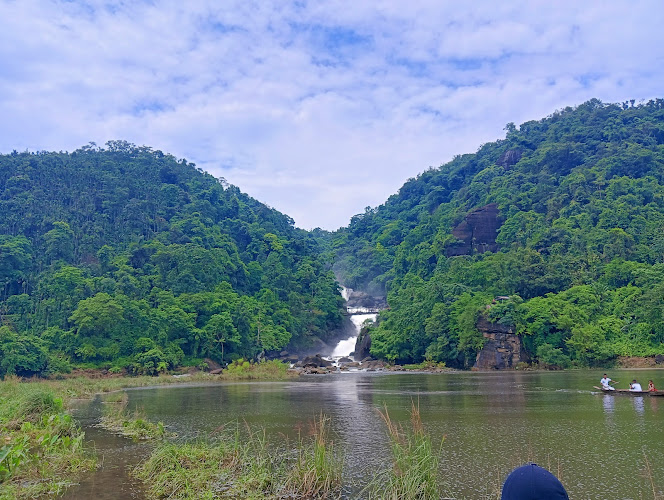
  • Borderland setting with views into Meghalaya (India)
  • Broad, curtain-like cascade feeding a shallow pool
  • Surrounding rice terraces and hill forest scenery
  • Short boat rides and easy local access from West Jaflong area
  • Photogenic landscape popular with day-trippers from Sylhet

More Details

Updated January 18, 2026

Description

Panthumai Waterfall is one of those spots that genuinely catches you off guard in the best possible way. When travelers first hear about it, they usually think it’s just another pretty cascade in Thailand—and sure, there are plenty of those. But spend an afternoon here, and you’ll understand why so many visitors keep coming back or wish they’d allocated more time during their trip.

The waterfall itself flows down through multiple tiers of limestone rock formations, creating natural pools that are absolutely perfect for cooling off after the trek in. And let me tell you, on a hot day in northern Thailand, that’s not just a luxury—it’s basically a necessity. The water comes from mountain springs and stays refreshingly cool year-round, which is why you’ll often see families spending entire afternoons here rather than just snapping a few photos and leaving.

What really sets Panthumai apart from other waterfalls in the region is the sense of tranquility you get here. It’s not completely undiscovered or anything—plenty of people know about it—but it hasn’t reached that overwhelming tourist saturation point where you’re fighting for space or waiting in line to take a photo. There’s still room to breathe, still spots where you can sit on a rock and just listen to the water without someone’s selfie stick in your peripheral vision.

The surrounding forest adds another dimension to the experience. Dense tropical vegetation frames the falls, and if you’re patient and quiet, you might spot some of the local wildlife that calls this area home. I’ve heard from travelers who’ve seen various bird species, butterflies, and occasionally even monitor lizards basking on the rocks. The whole ecosystem here feels alive and thriving, which makes the visit feel more authentic somehow.

Key Features

Here’s what makes Panthumai Waterfall worth adding to your travel itinerary:

  • Multiple cascading tiers create distinct swimming areas suitable for different comfort levels—from shallow wading spots for kids to deeper pools for confident swimmers
  • Natural rock formations around the pools provide convenient seating areas and make for interesting photo opportunities without feeling staged
  • The surrounding forest trail offers a moderate hike that most visitors can handle with basic fitness levels, though proper footwear is definitely recommended
  • Significantly less crowded than major tourist waterfalls in the region, especially during weekday visits
  • The water maintains clarity throughout most of the year, allowing you to see fish and aquatic life in the pools
  • Small vendor areas near the entrance sell drinks, snacks, and basic supplies—helpful if you forgot something
  • Picnic-friendly environment with shaded areas perfect for spreading out a blanket and making an afternoon of it
  • The cash-only policy keeps things simple and traditional, though it does mean you’ll need to plan ahead
  • Family-oriented atmosphere makes it comfortable for travelers with children of various ages
  • Limited accessibility features mean it’s primarily suited for visitors with good mobility

Best Time to Visit

Timing really matters when you’re planning a trip to Panthumai Waterfall, and I’m not just saying that to be difficult. The experience changes dramatically depending on when you show up.

The dry season, roughly from November through February, is when most guidebooks will tell you to visit. And yeah, the weather’s fantastic during those months—cooler temperatures, less humidity, clear skies. But here’s the thing: the waterfall itself can be less impressive during peak dry season, especially toward the end of that period. The water flow decreases, and while it’s still pretty, you won’t get that powerful cascade effect that makes waterfall photos really pop.

I personally think the sweet spot is during the early rainy season—around June through August. The waterfall is absolutely roaring during this time, the pools are full and refreshing, and the surrounding jungle looks its absolute best. But (and this is important) you need to check weather conditions before heading out. Heavy rainfall can make the trails slippery and occasionally even unsafe. Some days the water runs a bit murky after particularly heavy rains.

September and October can be trickier because that’s when rainfall is heaviest. Some years it’s fine; other years you might find the area temporarily closed for safety reasons. If you’re visiting during these months, have a backup plan.

Time of day matters too. Early morning visits—we’re talking 8 or 9 AM—mean you’ll have the place practically to yourself for the first hour or so. The light filtering through the trees at that hour is magical for photography, and there’s something special about being among the first people to arrive. Afternoons get busier, particularly on weekends and holidays when local families make day trips out here.

Avoid major Thai holidays if you prefer a quieter experience. The waterfall becomes significantly more crowded during these times, though the festive atmosphere can be fun if you’re into that sort of thing.

How to Get There

Getting to Panthumai Waterfall requires a bit of planning, but it’s not complicated once you understand your options.

Most travelers use the waterfall as a day trip from nearby towns. If you’re renting a motorbike or car, that’s honestly the easiest approach. The roads are generally well-maintained, and you’ll have the flexibility to explore at your own pace. Just make sure your GPS is working because signage can be sporadic once you get off the main roads. And I mean sporadic in the “you might miss a turn” sense, not in the “you’ll get hopelessly lost” sense.

For those relying on public transportation, it’s doable but requires more patience. You’ll likely need to take a combination of buses or songthaews (those shared pickup trucks that serve as local transport). Ask at your accommodation about current routes and schedules because these can change seasonally. Don’t expect precise timetables—this is rural Thailand, after all, and things run on a more relaxed schedule.

Some guesthouses and tour operators offer organized trips to Panthumai Waterfall, which solves the transportation puzzle entirely. These usually include other stops in the area, so you’re looking at a full-day excursion. The trade-off is less flexibility but zero navigation stress.

The final approach to the waterfall involves a walk from the parking area. It’s not terribly long—maybe 15 to 20 minutes—but the path can be uneven. This is where those proper shoes I mentioned earlier become really important. Flip-flops might seem tempting in the heat, but you’ll regret that choice when you’re trying to navigate roots and rocks.

Parking is available but not extensive, so arriving earlier in the day helps avoid the frustration of circling around looking for a spot.

Tips for Visiting

Let me share some practical advice that’ll make your visit smoother and more enjoyable.

First off, bring cash. The waterfall operates on a cash-only basis for entrance fees, and while the amount isn’t huge, you can’t card your way in. There are sometimes vendors selling food and drinks, and they’re also cash-only. The nearest ATM might be quite a distance away, so sort this out before you leave town.

Pack smart. You’ll want swimwear obviously, but also bring a dry bag for your phone and valuables. The mist from the waterfall reaches farther than you’d expect, and water has this uncanny ability to find electronics. A waterproof phone case is worth its weight in gold here. Don’t forget sunscreen—you’re getting sun exposure even under the forest canopy, especially during midday.

Footwear strategy matters. Wear sturdy shoes for the walk in, but bring water shoes or sandals with good grip for actually getting in the pools. The rocks can be slippery, and nobody wants to spend their vacation nursing a twisted ankle.

Food situation: while there are sometimes vendors near the entrance, selection is limited. If you’re particular about what you eat or have dietary restrictions, bringing your own snacks and lunch makes sense. Just remember to pack out everything you bring in. The area stays beautiful because visitors respect it, and that means taking your trash with you.

Watch for changing conditions. What seems like a calm pool in the morning can change if rainfall occurs upstream. Pay attention to the water level and clarity. If it suddenly becomes murky or starts rising, that’s your cue to get out.

Time management is something people often underestimate. Sure, you could see the waterfall in an hour, take some photos, and leave. But why would you? Budget at least three to four hours if you actually want to swim, explore the different tiers, have a snack, and not feel rushed. Some of my best travel memories come from those unplanned extra hours just sitting by water, watching life happen around me.

The no wheelchair accessible parking situation means visitors with mobility challenges will struggle here. The terrain is simply not designed for wheelchair access, which is unfortunate but important to know before making the trip.

Kids generally love Panthumai Waterfall, but parents need to supervise closely. Some pools are deeper than they look, and currents can form in certain areas. The good news is there are plenty of shallow spots perfect for younger children to splash around safely.

Photography enthusiasts should bring a polarizing filter if you have one. It cuts through the water glare and makes those pool shots look incredible. A lightweight tripod is useful for long exposure shots of the flowing water, though you’ll need to find stable rocks to set it up since designated spots don’t really exist.

Finally, arrive with realistic expectations. Panthumai Waterfall is genuinely beautiful and worth visiting, but it’s not going to be a postcard-perfect paradise every single day. Weather, water levels, and crowd sizes all affect the experience. But even on a so-called “off” day, there’s still something peaceful about being in nature, hearing the water, and disconnecting from the usual travel hustle for a few hours.

Key Highlights

  • Borderland setting with views into Meghalaya (India)
  • Broad, curtain-like cascade feeding a shallow pool
  • Surrounding rice terraces and hill forest scenery
  • Short boat rides and easy local access from West Jaflong area
  • Photogenic landscape popular with day-trippers from Sylhet

Location

Places to Stay Near Panthumai waterfall

Find and Book a Tour

Explore More Travel Guides

No reviews found! Be the first to review!

Traveler Reviews for Panthumai waterfall

There are no reviews yet. Be the first one to write one.

Share Your Experience

Have you visited Panthumai waterfall? Help other travelers by sharing your review.

Nearby Attractions

Jaflong stone collection area Spaine/Tea gardens around Sylhet Gowainghat Upazila villages and viewpoints

Find Accommodations Nearby

Recommended Tours & Activities

Visitor Reviews

There are no reviews yet. Be the first one to write one.

Share Your Experience

Have you visited Panthumai waterfall? Help other travelers by leaving a review.