
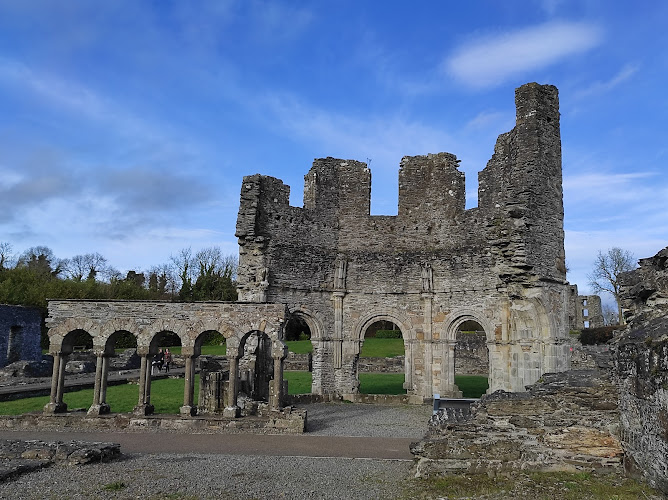
Old Mellifont Abbey
About Old Mellifont Abbey
Standing majestically in County Louth, [Mellifont Abbey](https://irelandyes.wordpress.com/tag/mellifont-abbey/) holds the distinction of being Ireland’s first Cistercian monastery, established in 1142. What strikes me most about these ruins is how they whisper tales of medieval Ireland through their weathered stones. The site was once a powerhouse of religious life and learning, shaping the spiritual landscape of medieval Ireland until its [dissolution under Henry VIII in the 16th century](https://mellifont.wordpress.com/author/mellifont/).
Key Features
• The Lavabo: This stunning octagonal building once served as the monks’ washing station. I’ve visited many abbey ruins, but this architectural gem stands out as one of the most unique features I’ve encountered in medieval Irish monasteries.
• The Chapter House: With its remarkably preserved Romanesque doorway and stunning Gothic windows, it’s where monks gathered daily for meetings and scripture readings.
• The Gate House: A dramatic entrance that gives you a real sense of how imposing the abbey must have looked in its heyday.
• Visitor Centre: Housed in an 18th-century manor house, it offers fascinating exhibits about monastic life and displays medieval stone carvings.
• Extensive Ruins: The outline of the monastery complex reveals the scale of what was once the largest religious house in medieval Ireland.
Best Time to Visit
Late May through September is when the site really comes alive – that’s when the visitor centre operates at full swing. I’d suggest planning your visit for early morning on a weekday if you want that magical experience of having the place almost to yourself. The light at dawn makes the ancient stones glow with an almost otherworldly quality. But y’know what? Even in the off-season, there’s something special about walking these grounds when mist clings to the ruins.
How to Get There
The abbey sits about 50 kilometers north of Dublin, making it a perfect day trip from the capital. If you’re driving (which honestly is the easiest way), take the M1 motorway and follow the brown tourist signs. Public transport is a bit trickier – you’ll need to catch a Bus Éireann service to Drogheda and then take a local taxi. Trust me, though, the extra effort is worth it.
Tips for Visiting
Okay, here’s the real scoop from someone who’s been here multiple times: Wear sturdy shoes! The ground can be uneven and slippery when wet (learned that one the hard way). Bring a camera – the architectural details are incredible, and you’ll kick yourself if you miss capturing them. Pack a light jacket even on sunny days – Ireland’s weather can change faster than you can say “Cistercian monastery.”
The guided tours are absolutely worth your time – the guides really know their stuff and share fascinating details about monastic life that you won’t find in guidebooks. And here’s a pro tip: bring a picnic! There are some lovely spots around the grounds where you can sit and soak in the atmosphere.
Give yourself at least 2-3 hours to properly explore. The site is bigger than it first appears, and there’s something meditative about taking your time here. Oh, and don’t forget to check out the exhibition of medieval stone carvings in the visitor centre – they’re easy to miss but tell fascinating stories about the abbey’s artistic heritage.
If you’re into photography, the late afternoon light creates beautiful shadows through the ruins. And while summer is peak tourist season, I actually prefer visiting in late May or early September when there are fewer crowds but the weather’s still decent.
Remember those medieval monks were pretty clever with their engineering – take note of the sophisticated water systems they created. It’s mind-boggling to think this was all built without modern technology.
For history buffs (like myself), it’s worth reading up a bit about the Cistercian order before visiting – it really helps you appreciate why certain buildings were placed where they were and how the monks lived their daily lives.
And lastly, don’t rush through the Gate House area – many visitors hurry past, but it’s one of the best-preserved parts of the abbey and gives you a real sense of what the original entrance would have been like. Take a moment there to imagine the countless pilgrims and visitors who passed through these same gates over the centuries.
You Might Also Like
A92 EH5C

An Táin Arts Centre
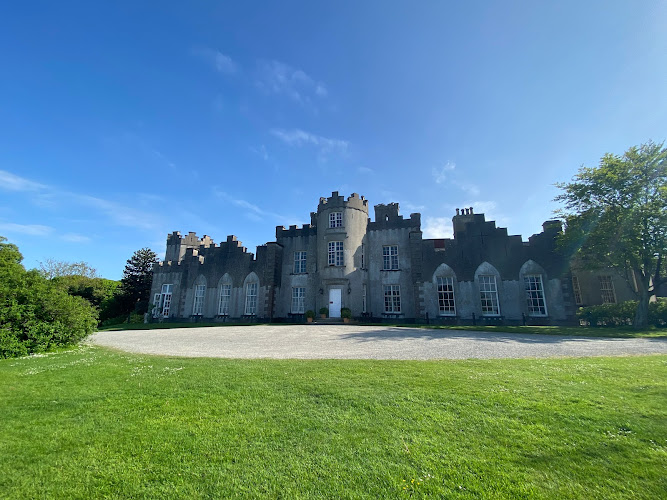
Ardgillan Castle and Demesne
Tours & Activities
GetYourGuide provides this tour inventory. We may earn a commission if you book through it; verify current availability, prices, and terms with the provider.
Visitor Reviews
There are no reviews yet. Be the first one to write one.
Share Your Experience
Have you visited Old Mellifont Abbey? Help other travelers by leaving a review.