Description
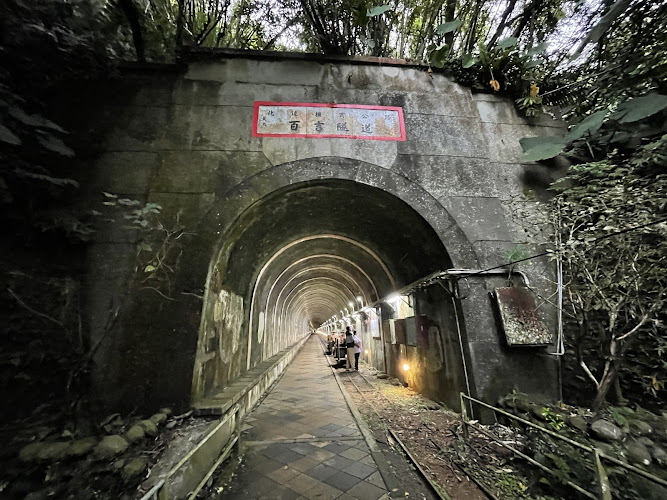
The Old Baiji Tunnel stands as a fascinating piece of heritage architecture that draws visitors seeking something a bit different from the usual tourist trails. This historic footpath tunnel has become quite the attraction for those who appreciate walking through pieces of the past, and honestly, there’s something almost meditative about stepping into a structure that’s witnessed so much history.
Walking through this tunnel isn’t just about getting from point A to point B – it’s about experiencing a slice of architectural heritage that tells stories of earlier times. The tunnel serves as a pedestrian passage, and while it might sound simple on paper, there’s a certain charm to these old structures that modern walkways just can’t replicate. I’ve always found that the best travel experiences come from places that aren’t necessarily the most glamorous, and this tunnel fits that description perfectly.
What makes the Old Baiji Tunnel particularly interesting is how it continues to serve its original purpose while simultaneously becoming a destination in its own right. It’s not sitting behind glass in a museum – you can actually use it, walk through it, and imagine what it was like decades ago when it was first constructed. And that’s pretty special if you ask me.
The tunnel has gained a solid reputation among visitors, with most travelers finding it worth their time. Sure, it’s not going to be everyone’s cup of tea, but for those interested in heritage buildings and historical infrastructure, it offers a genuine glimpse into the past. The fact that it remains accessible and functional speaks volumes about its construction quality and the efforts to maintain it over the years.
Key Features
The Old Baiji Tunnel presents several characteristics that make it noteworthy for travelers:
• Heritage architecture that showcases construction techniques from an earlier era, providing insight into how pedestrian infrastructure was designed and built in the past
• Functional footpath that continues to serve walkers and explorers, making it a living piece of history rather than just a preserved monument
• Atmospheric interior that creates a unique sensory experience, from the temperature changes to the acoustics that differ markedly from outdoor spaces
• Historical significance as a structure that connected communities and facilitated movement through the area for generations
• Photographic opportunities for those interested in architectural photography, urban exploration, or heritage documentation
• Educational value for understanding urban development and infrastructure evolution in the region
• Relatively short walk-through experience that doesn’t require significant time investment, making it easy to incorporate into broader itineraries
• Free access with street parking available nearby, keeping the experience budget-friendly for travelers
• Family-friendly destination that works well for kids who often find tunnels and passageways exciting and adventurous
• Authentic local experience that hasn’t been overly commercialized or transformed into a theme park version of itself
Best Time to Visit
Timing your visit to the Old Baiji Tunnel can really enhance your experience, though it’s accessible year-round. The tunnel itself provides natural shelter from weather conditions, which means you can visit even during light rain – actually, there’s something rather atmospheric about walking through a historic tunnel while it’s drizzling outside.
Early mornings tend to be the sweet spot for those wanting a quieter, more contemplative experience. Between 7 AM and 9 AM, you’re likely to encounter fewer tourists and might even have the tunnel to yourself for stretches. There’s something special about experiencing these heritage structures without crowds – you can really take your time, listen to your footsteps echo, and absorb the atmosphere without feeling rushed.
Late afternoons, particularly around golden hour, can offer interesting lighting conditions depending on the tunnel’s orientation. The interplay of light at the entrances creates some pretty spectacular photo opportunities. But be prepared for potentially more visitors during these times, especially on weekends.
Weekdays generally see lighter foot traffic than weekends. If you’re flexible with your schedule, visiting on a Tuesday or Wednesday morning gives you the best chance of a peaceful experience. Weekends bring local families and tourists, which isn’t necessarily bad – it just changes the vibe from quiet contemplation to more of a community atmosphere.
Season-wise, spring and autumn provide the most comfortable temperatures for walking. Summer can make the approach to the tunnel quite warm, though the tunnel interior stays cooler. Winter visits have their own appeal, especially if you’re someone who enjoys heritage sites in quieter, off-peak seasons.
Avoid visiting during rush hours if the tunnel is used by local commuters. Early evening hours around 5-7 PM might see more regular foot traffic from people using it for its intended purpose rather than tourism.
How to Get There
Reaching the Old Baiji Tunnel requires a bit of planning, but it’s part of the adventure. The tunnel is accessible primarily by road, and you’ll want to factor in how you’re getting there based on your travel style and preferences.
For those driving, free street parking is available in the vicinity, which is honestly a blessing in areas where parking fees can add up quickly. However, and this is important, there isn’t dedicated wheelchair accessible parking right at the tunnel. You’ll need to find street parking and make your way to the entrance on foot. The availability of parking spots can vary depending on time of day, so arriving earlier gives you better options.
Public transportation users should research local bus routes that stop near the tunnel area. The exact routes will depend on where you’re staying, but typically tourist information centers can provide current schedules and route maps. Having a transportation app downloaded before your trip makes navigating public transit much easier.
Walking to the tunnel from nearby accommodations or other attractions works well if you’re staying relatively close. Many visitors incorporate it into a larger walking tour of the area, which actually makes a lot of sense since you’re already in exploration mode.
Taxis and ride-sharing services can drop you near the entrance, though you’ll want to have the specific location saved on your phone since drivers might not be immediately familiar with the tunnel as a tourist destination. Having the location pinned on a map app prevents any confusion.
For international visitors, arranging transportation through your hotel or guesthouse can simplify things, especially if you’re not comfortable navigating local transport systems. Some accommodations offer suggestions for reaching heritage sites and might even arrange group visits.
The approach to the tunnel involves some walking, so comfortable shoes are essential. The terrain around the entrance might not be perfectly paved depending on recent maintenance, so keeping that in mind when planning your visit helps set appropriate expectations.
Tips for Visiting
Making the most of your visit to the Old Baiji Tunnel comes down to preparation and knowing what to expect. First off, let’s talk about footwear – this isn’t the place for flip-flops or fancy shoes. You want sturdy, comfortable walking shoes with good grip. The tunnel floor might be uneven in places, and depending on weather conditions, could be damp.
Bring a flashlight or ensure your phone is charged for its light function. While the tunnel isn’t pitch black, having your own light source helps you appreciate architectural details and watch your footing. Plus, it adds to the exploration feeling that makes visiting heritage structures exciting.
The temperature inside differs noticeably from outside, often being cooler. Even on warm days, bringing a light jacket isn’t a bad idea, especially if you’re someone who gets chilly easily. You don’t want your visit cut short because you’re uncomfortable.
For photography enthusiasts, this place offers genuine opportunities if you approach it right. A camera that handles low light well makes a significant difference. Experiment with different angles and perspectives – sometimes the most interesting shots come from unexpected viewpoints. The contrast between the tunnel interior and the light at the entrances creates dramatic possibilities.
Visiting with children works well when you frame it as an adventure. Kids generally find tunnels exciting, but you’ll want to keep them close and explain the historical significance in ways that engage their imagination. Making it a story rather than a lecture helps maintain their interest.
Respect the structure. This is a heritage building that’s survived this long because people have cared for it. Don’t touch walls unnecessarily, don’t leave trash, and certainly don’t deface anything. These old structures deserve our respect and protection.
Check weather forecasts before visiting. While the tunnel provides shelter, getting to and from it in heavy rain isn’t particularly pleasant. Light rain adds atmosphere; torrential downpours just make you wet and miserable.
Don’t rush through. Yeah, you could walk the tunnel in a few minutes, but that misses the point entirely. Take your time, pause, look around, think about the people who built this and the countless individuals who’ve walked this same path over the years. That contemplative aspect is where the real value lies.
Visit during different times if possible. The tunnel has different characters at various times of day. Morning light differs from afternoon light, and the atmosphere changes with the number of people present.
Bring water, especially if you’re exploring the surrounding area as part of a longer walk. Staying hydrated keeps your energy up and makes the experience more enjoyable.
Be prepared for a relatively simple experience. This isn’t a high-tech attraction with interactive displays and gift shops. It’s a tunnel – historic, interesting, atmospheric, but still fundamentally a tunnel. Setting appropriate expectations prevents disappointment.
Consider combining your visit with other nearby heritage sites or attractions to make a fuller day of exploration. The tunnel itself might not occupy hours of your time, but as part of a broader itinerary focused on historical architecture, it fits perfectly.
Finally, approach the Old Baiji Tunnel with curiosity and openness. The best travel experiences often come from places that don’t shout for attention but reward those who take time to appreciate them. This tunnel has witnessed history, served communities, and continues standing as a testament to the builders who created it. That’s worth experiencing, even if just for a little while.