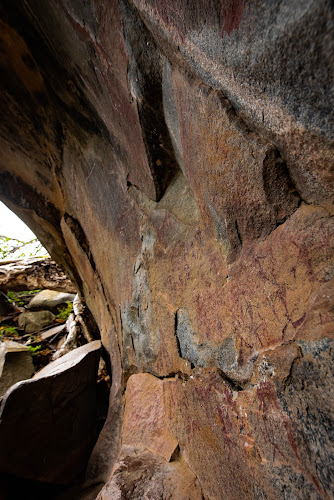
It’s not just a museum in the traditional sense with glass cases and labels—it’s an outdoor gallery carved into the cliffs of the Komati Valley, where the San people painted their visions, dreams, and daily lives. Some of these paintings are thought to be over 4,000 years old, which is mind-blowing when you’re standing in front of them and realizing they’ve survived weather, time, and countless generations.
The site is community-run, and that gives it a warm, personal touch. You don’t feel like you’re being herded through a tourist attraction; instead, you’re guided by locals who often share stories and perspectives that you won’t find in history books. It feels authentic, raw, and deeply human. And while it’s not polished like a big-city museum, that’s part of its charm. You’re standing in the exact spot where ancient people created art that still sparks curiosity today.
For families, it’s surprisingly good with kids too. The walk down to the shelter is manageable, and there are restrooms available, which is always a relief when traveling with younger ones. Most travelers end up leaving with a sense of awe and gratitude for having experienced something so unique, though like any place, it won’t be everyone’s cup of tea. Some visitors might find the hike a bit challenging or the facilities basic. But if you’re the kind of traveler who values authenticity over luxury, Nsangwini will likely stay in your memory long after you’ve left Eswatini.
Best Time to Visit
The dry season, which generally runs from May to September, is the most comfortable time to visit Nsangwini. The weather is cooler, the skies are clear, and the path down to the shelter is less slippery. If you’re like me and don’t enjoy sweltering heat while hiking, this is definitely the window you’ll want to plan for. That said, visiting just after the rains can be beautiful too—the valley looks greener, the air feels fresher, and the views are a little more dramatic. Just keep in mind that the trail can get muddy.
Early mornings or late afternoons are also magical times to go. The light hits the valley in a way that makes the rock art stand out more clearly, and you avoid the midday sun. Plus, there’s something about being there when it’s quieter that makes the experience feel more personal.
How to Get There
Reaching Nsangwini does require a bit of effort, but that’s part of the adventure. The site is located in the northern part of Eswatini, within the Komati Valley region. Most travelers arrive by car, and while the roads are generally fine, the last stretch can be a little rough—it’s not impossible in a regular sedan, but if you have access to a higher-clearance vehicle, you’ll be more comfortable.
From Mbabane, the drive takes about an hour and a half, depending on traffic and road conditions. Once you arrive at the starting point, there’s a short but somewhat steep walk down to the rock shelter itself. It usually takes around 15 minutes, but if you’re like me and prone to stopping every few steps to take photos of the valley, plan for longer. The path isn’t paved, so good shoes are essential.
Tips for Visiting
Before heading out, it’s worth keeping a few things in mind to make your visit smoother and more enjoyable:
- Wear sturdy shoes: The trail isn’t long, but it can be uneven and slippery after rain. Sneakers are fine, but hiking shoes are better.
- Bring water: There aren’t shops or cafes nearby, so carry enough to keep hydrated, especially in warmer months.
- Go with a guide: The guides are locals who add so much context to the paintings. Without them, you might miss the deeper meaning behind the figures.
- Take your time: Don’t rush through. The art is subtle, and the more you look, the more details you notice—like faded animals or human figures hidden in the rock’s natural curves.
- Bring kids, but prepare them: Children usually enjoy the adventure, but it helps to explain the significance of the paintings beforehand so they understand why it’s special.
- Respect the site: This isn’t just another tourist attraction; it’s a sacred cultural heritage site. Touching the paintings can damage them, so keep a respectful distance.
- Pack light: You don’t need much for the hike, and carrying too much will just slow you down.
One last tip from personal experience—don’t just focus on the paintings. Turn around and soak in the view of the Komati Valley. It’s breathtaking, and in some ways, it helps you understand why the San people chose this spot to create their art. Standing there, you get the sense that they were as inspired by the landscape as they were by their visions. And honestly, it’s hard not to feel the same.
 Real Journey Travels