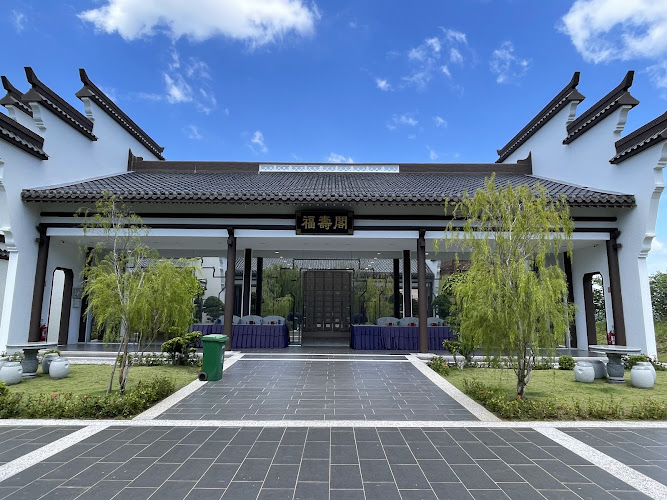
Nirvana Memorial Park (Sg Petani) is a popular cemetery located in Sungai Petani, Malaysia. With a rating of 3.7 out of 5, it stands out as one of the recognized cemeterys in the area.
Visitor Guide & Information
Nirvana Memorial Park (Sg Petani) is a popular cemetery located in Sungai Petani, Malaysia. With a rating of 3.7 out of 5, it stands out as one of the recognized cemeterys in the area.
Location
You can find Nirvana Memorial Park (Sg Petani) at LOT 683, Mukim, Kampung Serukam, 08000 Sungai Petani, Kedah, Malaysia.
Visiting Nirvana Memorial Park (Sg Petani)
Located in Sungai Petani, Malaysia, Nirvana Memorial Park (Sg Petani) is a cemetery that visitors to the area may find worth exploring.
Planning Your Visit
The cemetery is located at LOT 683, Mukim, Kampung Serukam, 08000 Sungai Petani, Kedah, Malaysia. GPS coordinates: 5.602283, 100.490810. Check locally for current opening hours and any admission fees before visiting.
Community & Insider Notes
Last modified August 17, 2026
Nirvana Memorial Park (Sg Petani) is a popular cemetery located in Sungai Petani, Malaysia. With a rating of 3.7 out of 5, it stands out as one of the recognized cemeterys in the area.
You can find Nirvana Memorial Park (Sg Petani) at LOT 683, Mukim, Kampung Serukam, 08000 Sungai Petani, Kedah, Malaysia.
Visiting Nirvana Memorial Park (Sg Petani)
Located in Sungai Petani, Malaysia, Nirvana Memorial Park (Sg Petani) is a cemetery that visitors to the area may find worth exploring.
Planning Your Visit
The cemetery is located at LOT 683, Mukim, Kampung Serukam, 08000 Sungai Petani, Kedah, Malaysia. GPS coordinates: 5.602283, 100.490810. Check locally for current opening hours and any admission fees before visiting.
Location
Places to Stay Near Nirvana Memorial Park (Sg Petani)
Nirvana Memorial Park (Sg Petani) sits in Sungai Petani, Kedah, and is known for its burial plots and columbarium niches spread out over landscaped grounds with unmistakable oriental architecture. It’s a spot where families come to pre-plan arrangements or just visit loved ones’ resting places in northern peninsular Malaysia.
This memorial park is tucked away in the countryside hills of Sungai Petani and happens to be the northernmost cemetery facility run by Nirvana Asia in peninsular Malaysia. The property is divided into zones for burial land, indoor columbarium buildings, temples, prayer halls, and a handful of function spaces.
You get options—double burial plots in Zone Dynasty start at RM 23,800, and there are family lots in various sections. Columbarium niches are available in buildings like Ji Le Dian and Oriental Villa-B.
If you’re thinking ahead, the park offers pre-need purchase options with installment plans up to 60 months for burial land and shorter terms for niches. Just keep in mind, the listed prices usually cover only the plot or niche itself—maintenance, facilities, and back walls can add thousands of ringgit on top.
Key Takeaways
Nirvana Memorial Park (Sg Petani) is the northernmost Nirvana Asia cemetery in peninsular Malaysia, offering burial plots and columbarium options.
The facility features oriental temples, prayer halls, and landscaped gardens across hillside terrain in Kedah’s largest city.
Pre-need purchases come with installment plans, but maintenance fees and structural additions are charged separately from the base plot price.
Essential Facts and Unique Features
Nirvana Memorial Park in Sungai Petani marks the northernmost memorial park in peninsular Malaysia, less than 10 kilometers from the town center. It’s nestled among undulating hills that feng shui enthusiasts claim tap into the “veins of the dragon,” offering sweeping views of Kedah’s rural countryside.
Here, you’ll see a blend of traditional Chinese architecture and modern cemetery management. Burial options and columbarium buildings like Ji Le Dian and Oriental Villa-B are available, each with individual stela storage in climate-controlled interiors.
Payment and Planning Options:
Pre-need purchasing with up to 25% discounts
20% down payment required
Interest-free installments up to 60 months for burial plots
24-48 month terms for columbarium niches
Maintenance trust fund included for long-term upkeep
Prayer halls, function rooms, and pavilions dot the grounds, making it practical for memorial services and larger family gatherings. Unlike older cemeteries, you’ll find on-site facilities that actually work for extended families and ceremonial needs.
The park mainly serves Chinese Buddhist and Taoist funeral traditions, but its garden-style layout feels quite different from Malaysia’s older Chinese cemeteries. Nirvana Asia Group manages the property as part of their wider network, so there’s a level of maintenance and customer service that you just don’t get at older municipal or private burial grounds.
Visitor Experience and Atmosphere
Visiting Nirvana Memorial Park in Sungai Petani, you end up in the northernmost memorial park in peninsular Malaysia, surrounded by rolling hills and countryside. The setting is peaceful, with plenty of space for reflection.
Traditional oriental design meets modern facilities here, catering to families from Kedah and neighboring states. The grounds are filled with temples, prayer halls, function halls, and landscaping shaped by feng shui.
It’s only about 10 km from Sungai Petani town center, and the countryside views are honestly lovely.
Key visitor features include:
Prayer facilities – Multiple prayer halls and temple structures for different religious practices
Garden spaces – Landscaped areas with plenty of greenery
Pavilions – Covered spots for rest and quiet moments
Statuary – Oriental sculptures and decorative touches throughout
The atmosphere is mostly quiet and contemplative, especially on weekdays. Up in the hills, there’s always a breeze, and you get panoramic views of the Kedah landscape.
Most people come for memorial services, tomb-sweeping during Qingming Festival, or to chat with staff about pre-planning. The park is a joint project between Nirvana Asia and Blissful Nirvana Memorial Park, so the facilities strike a balance between tradition and modern standards.
Planning Your Trip
A visit to Nirvana Memorial Park in Sungai Petani takes a bit of planning. It’s a working memorial park in Kedah’s countryside, not your average tourist stop.
You’ll want to think about weather, transport, and a bit of cultural etiquette before you go.
Best Times to Visit
December to February is your best bet—Kedah is driest then, with temperatures from 23°C to 32°C and not much rain. March to May gets hot and sticky, and the monsoon from September to November brings heavy afternoon downpours.
The park’s open all year, but weekends get busier with families paying respects. If you’re interested in pre-need arrangements, try weekday mornings for a quieter, more relaxed visit.
Try to skip major Malaysian holidays like Chinese New Year, Hari Raya, or Deepavali unless you’re attending a ceremony. Those days get packed.
How to Get There
Nirvana Memorial Park Sungai Petani is less than 10 km from the town center, set in the hills. If you’re coming from Penang, take the North-South Expressway and exit at Sungai Petani, then follow local roads into the countryside.
The nearest airport is Penang International, about 50 km south. Renting a car or arranging private transport is your best bet since public transportation to the park is pretty much nonexistent.
Note: No direct public bus routes serve the memorial park. Taxi or ride-hailing services from Sungai Petani town usually cost RM 15-25 each way.
Insider Tips for Travelers
Dress code matters – Modest clothing that covers shoulders and knees is respectful, especially in prayer halls or temple areas.
Bring cash – The park takes cards for major services, but smaller purchases may need cash.
Schedule consultations – Call ahead if you want to talk with staff about pre-planning or plot details.
Sun protection essential – There’s a lot of open ground and not much shade in some parts.
Photography restrictions – Always ask before taking photos; families may be holding ceremonies.
You’ll spot prayer halls, function rooms, and temples built in an imperial garden style. Pavilions are scattered around for rest stops.
Nearby Sights and Further Exploration
Around Sungai Petani, you’ve got easy access to Kedah’s cultural sites and natural scenery. The broader region links you to Penang’s city attractions and other historic towns within a short drive.
Local Attractions
Sungai Petani, the biggest town in Kedah, is close to archaeological and natural sites that show off the state’s deep history and farming roots. The Bujang Valley Archaeological Museum, about 15 kilometers away, displays artifacts from one of Southeast Asia’s oldest civilizations.
You can wander Hindu-Buddhist temple ruins and get a sense of the area’s trading past. Gunung Jerai, a 1,200-meter peak visible for miles, offers hiking trails and a summit resort with sweeping views of the plains and the Straits of Malacca.
The drive up takes about 45 minutes from Sungai Petani, winding through rainforest. In town, traditional markets and shophouses along Jalan Ibrahim serve up local favorites like laksa Kedah and nasi ulam.
Padi fields around the area are best seen during planting or harvest, when the landscape turns vibrant green or gold.
Exploring More in Malaysia
Penang Island is 50 kilometers south, just under an hour away via the North-South Expressway and Penang Bridge. George Town’s UNESCO World Heritage zone has colonial buildings, street art, and hawker stalls serving classics like char kway teow and assam laksa.
The beaches at Batu Ferringhi and the Kek Lok Si hill temple are worth a look. Alor Setar, Kedah’s capital, is 50 kilometers north and home to the Zahir Mosque and the Alor Setar Tower.
Langkawi Island can be reached by ferry from Kuala Kedah, about 30 kilometers from Sungai Petani. It’s known for duty-free shopping, beaches, and the Sky Bridge.
Ipoh in Perak is two hours south via highway, famous for limestone cave temples and old-town coffee shops. If you’re up for a longer drive, the Cameron Highlands tea plantations are about three hours southeast.
Frequently Asked Questions
People often ask about how to get to the park, what to expect during festivals, and how to be respectful on the grounds. The memorial park is about 10 km from Sungai Petani’s center and welcomes guests daily, but there are some guidelines to keep in mind.
What are the visiting hours, and do they change during major festivals or public holidays?
Nirvana Memorial Park (Sungai Petani) is usually open daily from 8:00 AM to 6:00 PM. It’s smart to double-check hours if you’re coming during big Chinese festivals, since times may be extended.
During Qing Ming Festival (Tomb Sweeping Day) in early April and Chong Yang Festival in October, the park often opens longer to handle the crowds. Weekends around these festivals get especially busy.
Public holidays like Chinese New Year also bring more visitors. If you want peace and quiet, weekday mornings are your best window.
What’s the best way to get there from Sungai Petani town or nearby train stations if you don’t have a car?
Public transport to the memorial park is pretty much nonexistent, so taxis or ride-hailing apps like Grab are your best bet from Sungai Petani town center. The ride takes about 20-25 minutes, depending on traffic.
From the Sungai Petani KTM station, expect to pay RM 15-25 for a Grab to the park entrance. Buses don’t go to the park directly.
If you’re staying in town, ask your hotel about taxi services or maybe hire a driver for a few hours if you need a round trip.
Are there any etiquette rules, dress expectations, or photography guidelines visitors should know before arriving?
Dress modestly—avoid shorts, sleeveless shirts, or beachwear out of respect for families holding memorials. Conservative casual clothes are fine; long pants or knee-length skirts with covered shoulders work for temples and prayer halls.
Photography is generally okay in outdoor landscaped areas, but don’t photograph other families during ceremonies. Columbarium buildings often ban photos entirely, and staff will let you know about any off-limits zones.
Keep your voice down, especially near services. Remove your hat when entering prayer halls.
If you see incense or offerings at grave sites, best to leave them undisturbed.
What types of memorial services and ancestral rites are commonly held on-site, and can visitors observe respectfully?
Families regularly perform traditional Chinese ancestor worship ceremonies at grave sites or columbarium niches. That usually means burning incense, setting out food and drinks, and sometimes burning joss paper.
You’ll spot Buddhist chanting services in the prayer halls, especially during festival periods. Monks tend to lead these group ceremonies, and the sound drifts across the grounds.
Taoist rituals and Christian memorial services happen too, each in their own function halls depending on the family’s faith. If you come across a service, you can watch quietly from a respectful distance—think 10-15 meters away, and definitely stay out of the family’s line of sight.
Don’t interrupt, ask questions, or try to snap close-up photos. That never goes over well.
If you’re genuinely curious about traditional practices, the park’s staff can let you know about public ceremony schedules. Some bigger commemorative events are open for anyone to attend.
How is the site laid out—are there clear zones for different faiths or memorial types, and is it easy to navigate on foot?
The memorial park splits into zones like Dynasty, Imperial, and CA-F sections for burial plots. There are also separate columbarium buildings—Ji Le Dian, Oriental Villa-B—for cremated remains.
The whole place sprawls across rolling hills, so expect slopes and stairs between sections. It’s not exactly a quick stroll.
Burial zones aren’t strictly sorted by religion, though some areas tend to attract certain communities because of feng shui preferences. Inside the columbarium buildings, you’ll find both Buddhist and secular niches mixed together, organized more by floor and wing than by faith.
Main pathways connect the big facilities, but reaching individual grave sites means walking on grass or paved paths between plots. Bring comfortable shoes—there’s plenty of uneven ground.
You’ll find signage in both Chinese and English at bigger intersections. The smaller section markers mostly stick to Chinese characters, which can be a little confusing if you don’t read them.
Are there lesser-known facilities for visitors (rest areas, prayer items, assistance for elderly guests), and what should you bring for a smoother visit?
The park’s got some air-conditioned rest areas tucked inside the main administration building, plus a few near the bigger columbarium structures. Honestly, they’re a lifesaver if you need to duck out of the heat for a bit.
Prayer items? You can pick up incense and joss paper right there—no need to stress about bringing them from home. That’s one less thing to pack.
If you’re worried about mobility, staff can set up golf cart rides for elderly guests or anyone who finds the hilly grounds tough. But here’s the thing: it’s best to call ahead so they can get it ready for you.
Main buildings are wheelchair accessible, but, well, a lot of the burial plots still require a bit of a walk. It’s not exactly flat terrain out there.
Definitely throw a bottle of water in your bag, since vending machines mostly stick to the main building area. And don’t forget an umbrella—it’ll save you from both sudden rain and relentless sun.
Visiting a specific grave? Write the plot number in Chinese characters. Groundskeepers will have a much easier time pointing you in the right direction that way.
Plan Your Trip to Nirvana Memorial Park (Sg Petani)
{“@context”: “https://schema.org”, “@type”: “FAQPage”, “mainEntity”: [{“@type”: “Question”, “name”: “What are the visiting hours, and do they change during major festivals or public holidays?”, “acceptedAnswer”: {“@type”: “Answer”, “text”: “Nirvana Memorial Park (Sungai Petani) is usually open daily from 8:00 AM to 6:00 PM. It’s smart to double-check hours if you’re coming during big Chinese festivals, since times may be extended. During Qing Ming Festival (Tomb Sweeping Day) in early April and Chong Yang Festival in October, the park often opens longer to handle the crowds. Weekends around these festivals get especially busy. Public holidays like Chinese New Year also bring more visitors. If you want peace and quiet, weekday mornings are your best window.”}}, {“@type”: “Question”, “name”: “What’s the best way to get there from Sungai Petani town or nearby train stations if you don’t have a car?”, “acceptedAnswer”: {“@type”: “Answer”, “text”: “Public transport to the memorial park is pretty much nonexistent, so taxis or ride-hailing apps like Grab are your best bet from Sungai Petani town center. The ride takes about 20-25 minutes, depending on traffic. From the Sungai Petani KTM station, expect to pay RM 15-25 for a Grab to the park entrance. Buses don’t go to the park directly. If you’re staying in town, ask your hotel about taxi services or maybe hire a driver for a few hours if you need a round trip.”}}, {“@type”: “Question”, “name”: “Are there any etiquette rules, dress expectations, or photography guidelines visitors should know before arriving?”, “acceptedAnswer”: {“@type”: “Answer”, “text”: “Dress modestly—avoid shorts, sleeveless shirts, or beachwear out of respect for families holding memorials. Conservative casual clothes are fine; long pants or knee-length skirts with covered shoulders work for temples and prayer halls. Photography is generally okay in outdoor landscaped areas, but don’t photograph other families during ceremonies. Columbarium buildings often ban photos entirely, and staff will let you know about any off-limits zones. Keep your voice down, especially near services. Remove your hat when entering prayer halls. If you see incense or offerings at grave sites , best to leave them undisturbed.”}}, {“@type”: “Question”, “name”: “What types of memorial services and ancestral rites are commonly held on-site, and can visitors observe respectfully?”, “acceptedAnswer”: {“@type”: “Answer”, “text”: “Families regularly perform traditional Chinese ancestor worship ceremonies at grave sites or columbarium niches. That usually means burning incense, setting out food and drinks, and sometimes burning joss paper. You’ll spot Buddhist chanting services in the prayer halls, especially during festival periods. Monks tend to lead these group ceremonies, and the sound drifts across the grounds. Taoist rituals and Christian memorial services happen too, each in their own function halls depending on the family’s faith. If you come across a service, you can watch quietly from a respectful distance—think 10-15 meters away, and definitely stay out of the family’s line of sight. Don’t interrupt, ask questions, or try to snap close-up photos. That never goes over well. If you’re genuinely curious about traditional practices, the park’s staff can let you know about public ceremony schedules. Some bigg”}}, {“@type”: “Question”, “name”: “How is the site laid out—are there clear zones for different faiths or memorial types, and is it easy to navigate on foot?”, “acceptedAnswer”: {“@type”: “Answer”, “text”: “The memorial park splits into zones like Dynasty, Imperial, and CA-F sections for burial plots. There are also separate columbarium buildings—Ji Le Dian, Oriental Villa-B—for cremated remains. The whole place sprawls across rolling hills, so expect slopes and stairs between sections. It’s not exactly a quick stroll. Burial zones aren’t strictly sorted by religion, though some areas tend to attract certain communities because of feng shui preferences. Inside the columbarium buildings, you’ll find both Buddhist and secular niches mixed together, organized more by floor and wing than by faith. Main pathways connect the big facilities, but reaching individual grave sites means walking on grass or paved paths between plots. Bring comfortable shoes—there’s plenty of uneven ground. You’ll find signage in both Chinese and English at bigger intersections. The smaller section markers mostly stick “}}, {“@type”: “Question”, “name”: “Are there lesser-known facilities for visitors (rest areas, prayer items, assistance for elderly guests), and what should you bring for a smoother visit?”, “acceptedAnswer”: {“@type”: “Answer”, “text”: “The park’s got some air-conditioned rest areas tucked inside the main administration building, plus a few near the bigger columbarium structures. Honestly, they’re a lifesaver if you need to duck out of the heat for a bit. Prayer items? You can pick up incense and joss paper right there—no need to stress about bringing them from home. That’s one less thing to pack. If you’re worried about mobility, staff can set up golf cart rides for elderly guests or anyone who finds the hilly grounds tough. But here’s the thing: it’s best to call ahead so they can get it ready for you. Main buildings are wheelchair accessible, but, well, a lot of the burial plots still require a bit of a walk. It’s not exactly flat terrain out there. Definitely throw a bottle of water in your bag, since vending machines mostly stick to the main building area. And don’t forget an umbrella—it’ll save you from both sudde”}}]}
Explore verified points of interest within walking or short transit distance.
No neighboring places mapped within 5 km yet.
Find Places to Stay Nearby
Stay22 provides this accommodation search. We may earn a commission if you book through it; verify current prices and terms with the provider.
🗺️
Interactive accommodation map requires marketing cookies to display live rates.
Recommended Experiences & Activities
GetYourGuide provides this tour inventory. We may earn a commission if you book through it; verify current availability, prices, and terms with the provider.
Top Viator Experiences & Guided Tours in Sungai Petani
We may earn a commission if you book through links on this page at no extra cost to you. All tours feature verified customer reviews and flexible cancellation options.