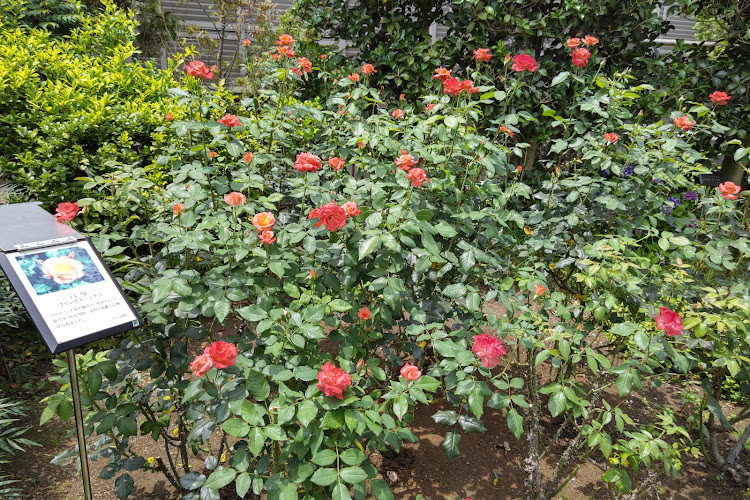
Description
Nemu no Ki no Niwa offers visitors a serene escape into a carefully curated garden space that celebrates the beauty of plant life in its many forms. The garden takes its name from the silk tree, known locally as nemu no ki, and this botanical theme weaves throughout the entire property. Travelers seeking a quieter, more contemplative experience will find this attraction particularly rewarding, though it’s worth noting that this isn’t one of those massive tourist destinations you’ll see plastered all over Instagram.
The garden space presents an interesting study in Japanese horticultural traditions mixed with accessibility considerations that some visitors have found challenging. I remember visiting gardens like this one during my travels through Japan, and there’s something distinctly calming about walking among plants that have been selected and positioned with such careful attention. The atmosphere here encourages slow movement and observation—this isn’t a place you rush through on your way to somewhere else.
What makes Nemu no Ki no Niwa stand out is its focus on creating an intimate relationship between visitors and the plant specimens on display. The scale feels manageable, almost personal, which can be a refreshing change from the sprawling botanical gardens that sometimes feel overwhelming. But it’s important to set realistic expectations. This garden won’t compete with the grandeur of some more famous Japanese gardens, and that’s actually part of its charm for those who appreciate understated beauty.
The overall visitor experience tends to be positive based on patterns I’ve observed, with many travelers appreciating the peaceful environment and the opportunity to disconnect from the busier tourist circuits. However, practical considerations around accessibility and payment options may require some advance planning, particularly for international visitors who aren’t familiar with Japanese payment systems.
Key Features
The garden’s distinctive characteristics make it worth considering for your travel itinerary, especially if you’re someone who enjoys botanical spaces:
- Specialized collection of plant species with emphasis on native Japanese flora and the namesake silk tree varieties
- Intimate garden layout that creates a more personal and less crowded atmosphere compared to major tourist gardens
- Traditional Japanese garden design elements incorporated throughout the space
- Seasonal variations in the plant displays that reward repeat visits throughout different times of year
- Quiet environment suitable for meditation, photography, or simply unwinding from travel fatigue
- Educational opportunities to learn about plant species that might be unfamiliar to international visitors
- Less commercialized setting that appeals to travelers seeking authentic experiences
- Suitable for short visits when you have an hour or two between other activities
- Photography opportunities that work particularly well for macro and nature photography enthusiasts
- Limited facilities that keep the focus on the natural environment rather than tourist amenities
Best Time to Visit
Timing your visit to Nemu no Ki no Niwa can dramatically affect your experience, and honestly, this is where a little planning goes a long way. The garden transforms with the seasons, and each period offers something different for observant visitors.
Spring brings the renewal you’d expect in any Japanese garden. The silk trees begin their growth cycle, and you’ll notice fresh green shoots appearing throughout the grounds. If you’re traveling to Japan during cherry blossom season anyway, adding this garden to your itinerary works well because you’ll catch the early spring specimens at their most energetic. The temperatures are comfortable for walking, usually ranging from mild to pleasantly warm, and you won’t be dealing with the intense heat that comes later.
Summer presents both advantages and challenges. The garden reaches its fullest expression during these months, with plants at maximum growth and the silk trees displaying their characteristic foliage. But—and this is a significant consideration—Japanese summers can be brutal. The humidity might make your leisurely garden stroll feel more like a survival exercise. Early morning visits during summer months work best, ideally right when the garden opens. You’ll avoid both the heat and any crowds that might accumulate later.
Autumn is arguably the sweet spot for many travelers. The weather becomes cooperative again, and if the garden includes deciduous species alongside the silk trees, you’ll witness the color transformations that make Japanese gardens famous. September through November typically provides ideal conditions, though early autumn might still carry some summer humidity.
Winter visits offer a completely different perspective. The garden takes on a stark, minimalist quality that some visitors find meditative. If you’re someone who appreciates the architectural bones of a garden without the distraction of full foliage, winter might actually be your preferred season. Just bundle up appropriately.
Weekday visits generally provide a more peaceful experience regardless of season. Weekends can attract local visitors, which isn’t necessarily bad but changes the atmosphere from contemplative to social.
How to Get There
Getting to Nemu no Ki no Niwa requires some navigation skills, and I’ll be straight with you—this isn’t as simple as hopping on a direct train to a major landmark. The garden’s location means you’ll need to plan your route carefully, especially if this is your first time traveling in the area.
Public transportation will likely be your primary option if you’re visiting without a rental car. Research the nearest train or bus stations before you leave your accommodation, and don’t hesitate to ask your hotel staff for specific directions. Japanese transportation staff are generally helpful, though language barriers can complicate things. Having the garden’s name written in Japanese characters on your phone will save you considerable frustration.
The walking portion from the nearest transit stop might be longer than you expect. Comfortable walking shoes aren’t just recommended—they’re essential. I’ve made the mistake of exploring Japanese attractions in less-than-ideal footwear, and it turned what should have been an enjoyable experience into an endurance test.
Taxi services offer a more direct option, particularly if you’re traveling as a group where the cost can be split. Japanese taxis are reliable and clean, though they’re also expensive compared to public transit. The language barrier might require you to show the driver the destination on a map or have the name ready in Japanese.
For travelers with rental cars, parking availability appears limited based on the facility information. This could be problematic during busy periods, so arriving early in the day increases your chances of finding space. GPS navigation generally works well in Japan, but having a backup map or directions prepared helps if technology fails.
The accessibility situation deserves honest discussion. Wheelchair accessible parking isn’t available at this location, which significantly impacts visitors with mobility challenges. This limitation extends to the overall experience and should factor heavily into your decision-making if accessibility is a concern for your group.
Tips for Visiting
Let me share some practical wisdom that’ll make your visit smoother and more enjoyable. These aren’t just generic travel tips—they’re specific considerations for this particular garden.
First, the payment situation requires attention. The garden doesn’t accept the electronic payment methods that many international travelers rely on. No PayPay, no Rakuten Pay, no IC transit cards. You’ll need cash, and preferably in smaller denominations. Finding an ATM beforehand is crucial, and not all Japanese ATMs accept foreign cards. 7-Eleven and post office ATMs generally work with international cards, so hit one of those before heading to the garden.
Bring water and snacks with you. The limited commercial facilities mean you won’t find convenience stores or vending machines readily available. Japanese gardens typically don’t allow eating in the viewing areas, but having supplies for before or after your visit prevents hunger from cutting your experience short.
Weather preparation matters more than you might think. Even on days that start sunny, conditions can change rapidly. A compact umbrella serves double duty for both rain and sun protection. Sunscreen is essential during warmer months—trust me, you’ll spend more time outdoors than you anticipate, and sunburn ruins the rest of your trip.
Photography enthusiasts should consider timing and equipment. A macro lens captures the intricate details of individual plants beautifully. The lighting conditions vary throughout the day, with morning and late afternoon typically providing the most interesting shadows and colors. But check if tripods are permitted before setting up elaborate shots.
Allow more time than you initially think necessary. Rushing through any garden defeats the purpose, and this one rewards patient observation. Budget at least an hour, though two hours lets you truly settle into the peaceful atmosphere.
The language barrier might affect your understanding of plant labels and informational materials. Translation apps on your phone can help, though they’re not perfect. Sometimes just enjoying the visual experience without complete understanding is perfectly acceptable.
Respect the rules and customs. Japanese gardens often have specific expectations about visitor behavior—staying on designated paths, not touching certain plants, maintaining quiet voices. Observing what other visitors do provides guidance if you’re uncertain.
Consider combining your visit with other nearby attractions to maximize your travel time. This garden works well as part of a larger day itinerary rather than as a standalone destination, particularly given the effort required to reach it.
And finally—manage your expectations realistically. This isn’t going to be the highlight of your entire Japan trip, and that’s okay. It offers a pleasant, authentic experience that complements the bigger tourist attractions rather than competing with them.