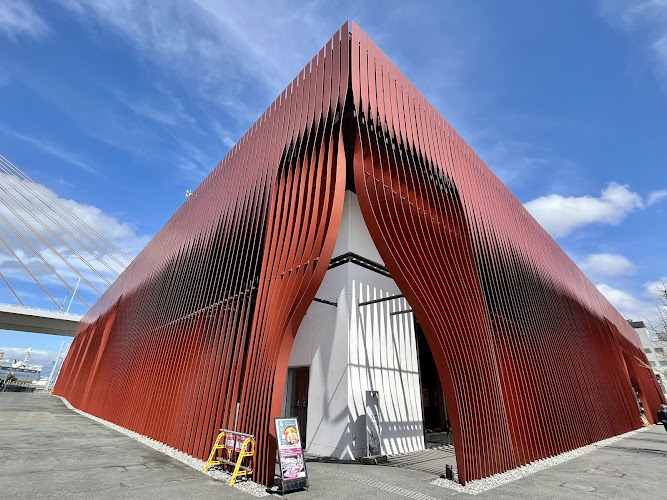
Inside, the enormous painted paper floats from the Aomori Nebuta Festival are displayed as if mid-parade — lit from within, dramatic, and impossibly detailed. Visitors who arrive expecting a quiet, do-not-touch gallery quickly realize this museum aims to recreate the sound and motion of the festival: taiko drums boom on scheduled demonstrations, recorded chants echo down corridors, and lighting tricks give the floats an after-dark glow even in the daytime. It’s museum, performance hall, and community center all rolled into one.
The design of WA RASSE prioritizes showmanship. Large exhibition halls give space to several full-sized nebuta floats, many of them meters high and wide, their paper skins stretched over wooden frames and painted in vivid strokes. Up close the workmanship is fascinating — brush marks, seams where paper was layered, hand-finished metalwork. The displays also explain the making process, so you can see how teams of artists, carpenters and volunteers build these floats months before the festival. For travelers who enjoy craft and folklore, this is an absolute treat: the museum peels back the curtain on the festival’s logistics, artistry and social role within Aomori prefecture.
But this place is not only about static exhibits. WA RASSE hosts live performances, and on many days you can catch taiko drumming demonstrations and haneto dance showcases. Those impromptu beats — loud, physical, oddly contagious — are the sort of thing that make a casual museum stop into a memory you can feel in your chest. The museum also runs short multimedia shows that condense the energy of the full Nebuta parade into 10–15 minutes, which is perfect if your time is limited. The shows are family-friendly and a good primer for anyone planning to attend the Nebuta Festival in August.
Practical amenities are visibly thought through. There’s a restaurant on site where visitors can sit and digest both their lunch and the spectacle they just saw — and yes, the building includes accessible entrances, restrooms designed for wheelchair users, and a paid parking lot for those driving across the Tohoku region. Parents will appreciate that the museum is good for kids: interactive corners encourage younger visitors to try on small haneto costumes, twirl a paper fan, or attempt simplified drum patterns. The place balances spectacle with hands-on learning; it’s a rare museum that invites a little joyful noise rather than shushing the crowd.
There’s a human side to WA RASSE that the display labels try to communicate but the live performances really sell: these floats are community projects. Local neighborhoods compete and cooperate in the making and carrying of nebuta. The museum makes that civic pride obvious. It profiles the teams and interviews volunteers, and that perspective makes a difference — you leave understanding these floats as social glue, not just art objects. The narrative is well-paced, and the multilingual info panels and occasional English summaries mean visitors from abroad can follow the story without feeling lost, though the writer will warn: some niche terms like haneto, matsuri, or rasse itself might still require a little googling later — which is part of the fun.
One candid aside — because the writer likes to admit these things: on a visit during a gray, rain-splattered afternoon, the interior lighting made the floats look as if they were floating on water, and a little kid in front of the author whispered wow so loud it broke the quiet reverence of the room. That spontaneous wonder is common here. Yet, WA RASSE is not flawless. Some visitors expect a larger historical archive and leave wishing for deeper academic context about the festival’s origins. Others come for a quiet contemplative museum experience and instead find the scheduled performances correspondingly busy. So, it feels honest to say: if a serene hush is your goal, this place might surprise you.
For travelers planning the visit, WA RASSE does double duty. First, it acts as an excellent orientation if the main aim is to experience the live Nebuta Festival — the museum provides context that makes the street parade that much more understandable and emotionally resonant. Second, for people who simply enjoy Japanese craftsmanship and festival culture without the pressure of a full-blown summer trip, the museum is an efficient way to sample the Nebuta tradition year-round. It’s open throughout the year, and on non-festival days the lighting and audiovisual programs mean that the floats are shown in optimal conditions; sometimes better than the real parade for seeing fine details.
Another angle less commonly mentioned: WA RASSE also functions as a community hub. Local events, workshops, and school visits occur here with surprising frequency. If the traveler is lucky, they may stumble into a float-making workshop or a hands-on taiko lesson. These pop-up opportunities offer a different kind of souvenir — the memory of participating rather than a trinket bought in the gift shop.
Speaking of souvenirs, the museum shop is small but tasteful. Expect well-designed items that lean into craft and festival imagery: miniature paper floats, locally made chopsticks, festival-style headbands, and printed guides. Prices are what you’d expect for a specialized museum; not exploitative, but not cheap either. Some folks remark on that, and it’s fair — unique items cost more. If shopping isn’t a priority, the quieter corners of the first exhibition hall offer great photo ops and time to simply admire the scale of the art.
WA RASSE’s location makes it a convenient stop when exploring Aomori city. It’s been positioned to welcome both domestic tourists and international visitors who are curious about matsuri culture. The museum’s interpretation leans towards lively presentation rather than dense, academic scholarship, which makes it accessible to a broad audience. That approach suits many travelers well — especially those who prefer museums that feel like theatrical rehearsals rather than hushed archives.
Finally, the emotional effect of the visit is notable. People report leaving with a renewed curiosity about Japanese regional festivals, and some even alter travel plans to time a return visit for the August Nebuta Festival. The Nebuta Museum WA RASSE does what a good cultural institution should: it educates, engages, and entices. It will not replace being in the thick of the festival crowds, but it will give you the vocabulary to understand those crowds, and — if the writer may be slightly sentimental here — the urge to come back when the streets are full and the floats are moving under the night sky.
In short, Nebuta Museum WA RASSE is recommended for travelers who want to see the Nebuta festival’s art and hear its music without having to brave summer crowds. It’s theatrical, informative, sometimes noisy, often moving, and a little bit theatrical again. Visitors should come with curiosity, a readiness to clap along during performances, and perhaps a spare hour or two to linger — because the floats reward slow looking.
 Real Journey Travels