
Natural History Museum of Utah
About Natural History Museum of Utah
History and Significance
The Natural History Museum of Utah has a fascinating history that reflects the evolution of our understanding of the natural world. Established in 1963, this museum has grown exponentially from its humble beginnings at the University of Utah to its current stunning location at the Rio Tinto Center. This new natural history museum was designed to unite the stories of Utah’s natural history with modern architectural elements, providing visitors with an immersive experience. The museum's collections are a testament to the state’s geological and paleontological history, which includes specimens from the famous Cleveland-Lloyd Dinosaur Quarry, revealing Utah’s significance in the study of paleontology.
As visitors explore the museum, they can appreciate the significance of the exhibits that tell the story of Utah’s past, including the ancient Lake Bonneville that once covered much of the Great Salt Lake area. The museum serves as a state museum of natural history, making it a vital educational resource for understanding the traditions of Utah’s indigenous peoples and the unique ecosystems of the region. The museum’s focus on discovery and education highlights its role in promoting awareness about the natural world and encouraging stewardship of Utah’s natural resources.
Main Attractions and Activities
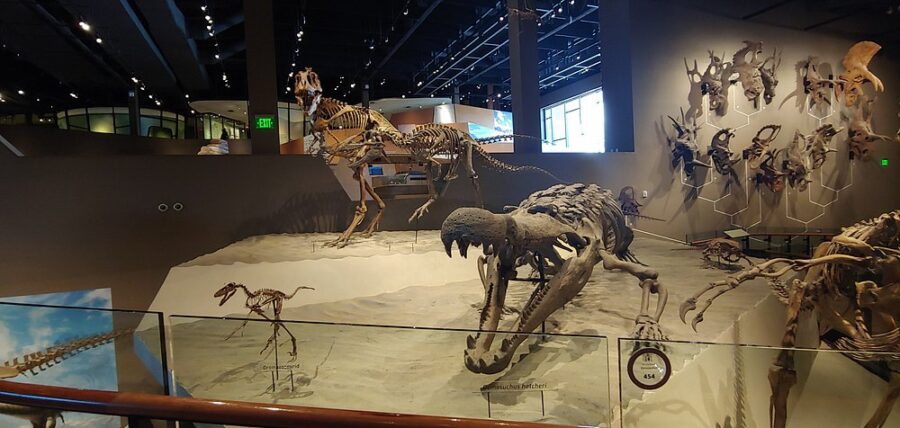
The Natural History Museum of Utah boasts an array of attractions and activities that cater to all ages. One of the main highlights is the impressive fossil gallery, which features the skeletons of dinosaurs, including the iconic Allosaurus. This exhibit not only showcases these impressive specimens but also offers insights into the lives of these magnificent creatures that once roamed Utah’s landscapes. Additionally, the museum's interactive exhibits encourage hands-on learning, making it a perfect destination for families and school groups alike.
Another must-see attraction is the museum's extensive paleontology collection, which highlights the evolution of life in Utah from ancient times to the present. Visitors can delve into the stories of prehistoric life and explore the various ecosystems that have existed in this region over millions of years. Seasonal exhibitions often showcase unique aspects of Utah's natural history, ensuring that there’s always something new to discover during each visit. The museum's commitment to education is evident in its programs and events, which aim to engage and inspire visitors about the wonders of the natural world.
Visitor Experience
When visiting the Natural History Museum of Utah, guests can expect a rich and immersive experience that captivates the senses. The museum's design encourages exploration, with spacious galleries that invite visitors to wander through time and space. As you walk through the exhibits, you'll find yourself surrounded by stunning displays that highlight the unique flora and fauna of Utah, creating an engaging atmosphere for learning. Each exhibit is carefully curated to tell a story, making it easy for guests to connect with the content.
The friendly staff and knowledgeable volunteers are always on hand to answer questions and provide insights, further enhancing the visitor experience. Guided tours are available for those who wish to delve deeper into the history and significance of the exhibits. Additionally, the museum offers various educational programs, workshops, and family-friendly activities that keep visitors engaged throughout their time there. Whether you're a resident or a first-time visitor, the Natural History Museum of Utah promises an unforgettable journey through the state's natural history.
Tips for Visitors
Planning a visit to the Natural History Museum of Utah can be an exciting adventure, and a few tips can help enhance your experience. First, consider timing your visit during weekdays or early in the morning to avoid larger crowds, especially on weekends. This way, you can explore the galleries at your own pace and have more opportunities to interact with the exhibits. Additionally, check the museum's website for any special exhibitions or events that may coincide with your visit to make the most out of your experience.
Don’t forget to wear comfortable shoes, as you'll likely spend several hours exploring the museum's expansive layout. If you have kids, be sure to check out the family-oriented activities and programs available on the day of your visit. These can provide fun and educational experiences that your children will love. Lastly, take advantage of the museum's café and gift shop, where you can grab a bite to eat or take home a souvenir that reflects your adventure through Utah's natural history.
Accessibility and Facilities
The Natural History Museum of Utah is committed to providing a welcoming and accessible environment for all visitors. The Rio Tinto Center features a variety of facilities designed to accommodate those with mobility challenges, including ramps, elevators, and accessible restrooms. The museum understands the importance of inclusivity, ensuring that everyone can enjoy the exhibits and programs offered throughout the venue. Additionally, seating areas are available throughout the galleries for those who may need a break during their exploration.
For families visiting with young children, the museum provides stroller rentals, making it easier to navigate the space with little ones in tow. Furthermore, the staff is trained to assist guests with specific needs, ensuring a pleasant experience for everyone. The museum also offers sensory-friendly resources for individuals who may require a quieter environment. With its thoughtful design and commitment to accessibility, the Natural History Museum of Utah truly strives to be a welcoming place for all who wish to explore the wonders of the natural world.
Unique Features
One of the standout features of the Natural History Museum of Utah is its breathtaking architecture, which blends seamlessly with the surrounding landscape. The design of the Rio Tinto Center is inspired by the natural forms and colors found in Utah’s middle Rocky Mountains. This unique integration of architecture and nature creates a stunning backdrop for the museum’s exhibits, inviting visitors to appreciate both the built environment and the natural world. The museum’s design reflects its mission to illuminate the natural world, creating a space where education and inspiration can thrive.
Another unique aspect of the museum is its extensive collection of natural history specimens, which includes over 1.5 million artifacts. This remarkable collection not only showcases Utah’s diverse ecosystems but also serves as a vital resource for scientific research and education. The museum frequently collaborates with the University of Utah and other institutions to further enhance its research capabilities. Additionally, the museum’s focus on community engagement and the cultural traditions of Utah’s indigenous peoples adds depth to the visitor experience, making it a place where history and culture come together.
Overall Impressions
Overall, the Natural History Museum of Utah is a must-visit destination for anyone interested in exploring the natural world and the fascinating history of Utah. With its engaging exhibits, stunning architecture, and commitment to education, the museum offers a unique experience that captivates visitors of all ages. The combination of interactive displays, knowledgeable staff, and a welcoming atmosphere makes it a place where people can connect with the natural history of the state in a meaningful way. From the moment you enter the museum, you are transported into a world filled with wonder and discovery.
Visitors often leave with a newfound appreciation for the natural world and an understanding of the importance of conservation. The museum’s efforts to educate the public about Utah’s ecosystems, paleontology, and cultural heritage ensure that it remains an invaluable resource for both locals and tourists alike. With so much to offer, the Natural History Museum of Utah stands out as a premier destination that truly celebrates the beauty and complexity of the natural world.
Pros and Cons
Like any attraction, the Natural History Museum of Utah has its pros and cons that potential visitors should consider. On the positive side, the museum features a wide array of exhibits that cater to diverse interests, from dinosaur fossils to the unique traditions of Utah’s indigenous peoples. Its location near the University of Utah and the stunning Wasatch foothills adds to its appeal, making it easily accessible and enjoyable. Additionally, the museum’s commitment to education and community engagement fosters a sense of belonging, making visitors feel connected to the natural history of the state.
However, some visitors may find the ticket prices to be on the higher side, particularly for families or large groups. While the museum does offer discounts for students and seniors, the cost may still be a consideration. Additionally, during peak times, the museum can become quite crowded, which might detract from the overall experience for those seeking a more intimate exploration of the exhibits. Despite these drawbacks, the Natural History Museum of Utah remains a top-tier destination that offers valuable insights into the natural world and is well worth a visit.
History and Significance
The Natural History Museum of Utah has a fascinating history that reflects the evolution of our understanding of the natural world. Established in 1963, this museum has grown exponentially from its humble beginnings at the University of Utah to its current stunning location at the Rio Tinto Center. This new natural history museum was designed to unite the stories of Utah’s natural history with modern architectural elements, providing visitors with an immersive experience. The museum's collections are a testament to the state’s geological and paleontological history, which includes specimens from the famous Cleveland-Lloyd Dinosaur Quarry, revealing Utah’s significance in the study of paleontology.
As visitors explore the museum, they can appreciate the significance of the exhibits that tell the story of Utah’s past, including the ancient Lake Bonneville that once covered much of the Great Salt Lake area. The museum serves as a state museum of natural history, making it a vital educational resource for understanding the traditions of Utah’s indigenous peoples and the unique ecosystems of the region. The museum’s focus on discovery and education highlights its role in promoting awareness about the natural world and encouraging stewardship of Utah’s natural resources.
Main Attractions and Activities
The Natural History Museum of Utah boasts an array of attractions and activities that cater to all ages. One of the main highlights is the impressive fossil gallery, which features the skeletons of dinosaurs, including the iconic Allosaurus. This exhibit not only showcases these impressive specimens but also offers insights into the lives of these magnificent creatures that once roamed Utah’s landscapes. Additionally, the museum's interactive exhibits encourage hands-on learning, making it a perfect destination for families and school groups alike.
Another must-see attraction is the museum's extensive paleontology collection, which highlights the evolution of life in Utah from ancient times to the present. Visitors can delve into the stories of prehistoric life and explore the various ecosystems that have existed in this region over millions of years. Seasonal exhibitions often showcase unique aspects of Utah's natural history, ensuring that there’s always something new to discover during each visit. The museum's commitment to education is evident in its programs and events, which aim to engage and inspire visitors about the wonders of the natural world.
Visitor Experience
When visiting the Natural History Museum of Utah, guests can expect a rich and immersive experience that captivates the senses. The museum's design encourages exploration, with spacious galleries that invite visitors to wander through time and space. As you walk through the exhibits, you'll find yourself surrounded by stunning displays that highlight the unique flora and fauna of Utah, creating an engaging atmosphere for learning. Each exhibit is carefully curated to tell a story, making it easy for guests to connect with the content.
The friendly staff and knowledgeable volunteers are always on hand to answer questions and provide insights, further enhancing the visitor experience. Guided tours are available for those who wish to delve deeper into the history and significance of the exhibits. Additionally, the museum offers various educational programs, workshops, and family-friendly activities that keep visitors engaged throughout their time there. Whether you're a resident or a first-time visitor, the Natural History Museum of Utah promises an unforgettable journey through the state's natural history.
Tips for Visitors
Planning a visit to the Natural History Museum of Utah can be an exciting adventure, and a few tips can help enhance your experience. First, consider timing your visit during weekdays or early in the morning to avoid larger crowds, especially on weekends. This way, you can explore the galleries at your own pace and have more opportunities to interact with the exhibits. Additionally, check the museum's website for any special exhibitions or events that may coincide with your visit to make the most out of your experience.
Don’t forget to wear comfortable shoes, as you'll likely spend several hours exploring the museum's expansive layout. If you have kids, be sure to check out the family-oriented activities and programs available on the day of your visit. These can provide fun and educational experiences that your children will love. Lastly, take advantage of the museum's café and gift shop, where you can grab a bite to eat or take home a souvenir that reflects your adventure through Utah's natural history.
Accessibility and Facilities
The Natural History Museum of Utah is committed to providing a welcoming and accessible environment for all visitors. The Rio Tinto Center features a variety of facilities designed to accommodate those with mobility challenges, including ramps, elevators, and accessible restrooms. The museum understands the importance of inclusivity, ensuring that everyone can enjoy the exhibits and programs offered throughout the venue. Additionally, seating areas are available throughout the galleries for those who may need a break during their exploration.
For families visiting with young children, the museum provides stroller rentals, making it easier to navigate the space with little ones in tow. Furthermore, the staff is trained to assist guests with specific needs, ensuring a pleasant experience for everyone. The museum also offers sensory-friendly resources for individuals who may require a quieter environment. With its thoughtful design and commitment to accessibility, the Natural History Museum of Utah truly strives to be a welcoming place for all who wish to explore the wonders of the natural world.
Unique Features
One of the standout features of the Natural History Museum of Utah is its breathtaking architecture, which blends seamlessly with the surrounding landscape. The design of the Rio Tinto Center is inspired by the natural forms and colors found in Utah’s middle Rocky Mountains. This unique integration of architecture and nature creates a stunning backdrop for the museum’s exhibits, inviting visitors to appreciate both the built environment and the natural world. The museum’s design reflects its mission to illuminate the natural world, creating a space where education and inspiration can thrive.
Another unique aspect of the museum is its extensive collection of natural history specimens, which includes over 1.5 million artifacts. This remarkable collection not only showcases Utah’s diverse ecosystems but also serves as a vital resource for scientific research and education. The museum frequently collaborates with the University of Utah and other institutions to further enhance its research capabilities. Additionally, the museum’s focus on community engagement and the cultural traditions of Utah’s indigenous peoples adds depth to the visitor experience, making it a place where history and culture come together.
Overall Impressions
Overall, the Natural History Museum of Utah is a must-visit destination for anyone interested in exploring the natural world and the fascinating history of Utah. With its engaging exhibits, stunning architecture, and commitment to education, the museum offers a unique experience that captivates visitors of all ages. The combination of interactive displays, knowledgeable staff, and a welcoming atmosphere makes it a place where people can connect with the natural history of the state in a meaningful way. From the moment you enter the museum, you are transported into a world filled with wonder and discovery.
Visitors often leave with a newfound appreciation for the natural world and an understanding of the importance of conservation. The museum’s efforts to educate the public about Utah’s ecosystems, paleontology, and cultural heritage ensure that it remains an invaluable resource for both locals and tourists alike. With so much to offer, the Natural History Museum of Utah stands out as a premier destination that truly celebrates the beauty and complexity of the natural world.
Pros and Cons
Like any attraction, the Natural History Museum of Utah has its pros and cons that potential visitors should consider. On the positive side, the museum features a wide array of exhibits that cater to diverse interests, from dinosaur fossils to the unique traditions of Utah’s indigenous peoples. Its location near the University of Utah and the stunning Wasatch foothills adds to its appeal, making it easily accessible and enjoyable. Additionally, the museum’s commitment to education and community engagement fosters a sense of belonging, making visitors feel connected to the natural history of the state.
However, some visitors may find the ticket prices to be on the higher side, particularly for families or large groups. While the museum does offer discounts for students and seniors, the cost may still be a consideration. Additionally, during peak times, the museum can become quite crowded, which might detract from the overall experience for those seeking a more intimate exploration of the exhibits. Despite these drawbacks, the Natural History Museum of Utah remains a top-tier destination that offers valuable insights into the natural world and is well worth a visit.
Key Features
- Extensive paleontology displays including dinosaur fossils and casts
- Interactive hands-on exhibits about Utah ecosystems and geology
- Rotating special exhibitions and research showcases
- Educational programs and family-friendly activities
- Scenic outdoor terraces with valley views
Nearby Attractions
Tours & Activities
GetYourGuide provides this tour inventory. We may earn a commission if you book through it; verify current availability, prices, and terms with the provider.
Visitor Reviews
There are no reviews yet. Be the first one to write one.
Share Your Experience
Have you visited Natural History Museum of Utah? Help other travelers by leaving a review.