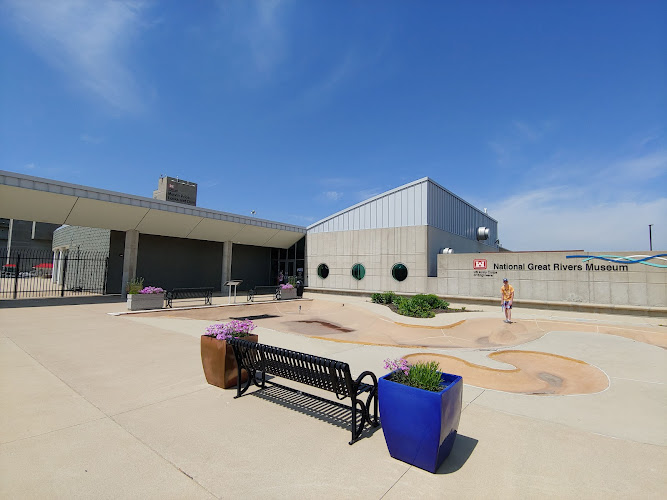
It pairs museum exhibits with a working piece of infrastructure — the Melvin Price Locks and Dam — so guests can move from hands-on displays about river ecology, navigation, and engineering straight to watching real barges slip through the lock chamber. That juxtaposition — education plus live operation — is what makes the place stick in the memory.
Exhibits at the museum are designed to reach a range of interests: school groups come for curriculum-friendly programming, families come for interactive displays that let kids touch, push, and learn, while adults usually linger over the engineering models and the theater’s short films about river history and management. The museum blends natural history and human impact. Visitors see the river as habitat, highway, and force of change — and the museum does not shy away from the messy bits, like flood control and commerce, which are central to the Mississippi’s story.
What many people don’t expect — and what often becomes the highlight — is the working lock and dam experience. From observation points inside the facility, the rhythm of river traffic becomes almost hypnotic: towboats pushing multicolored barges, the lock gates breathing open and closed, water levels adjusting in a matter of minutes. It’s tangible civil engineering. And, truth be told, it’s fun to watch. The museum interprets that activity with scale models, diagrams, and plain-English explanations so the mechanics are understandable even for someone who barely passed freshman physics.
Accessibility and visitor comfort were clearly planned with care. The building has a wheelchair-accessible entrance, accessible parking, and restrooms, and much of the exhibit space is designed for easy navigation. There’s a theater that shows short, informative films (a good place to regroup if someone in the group needs a break), a small cafe for snacks and coffee, and a gift shop where regionally themed items and river-themed educational toys are available. Free onsite parking makes arrival painless — a small but meaningful convenience for road-trippers and families hauling backpacks and strollers.
Programs and tours are a big part of the museum routine. Docent-led tours and scheduled presentations walk visitors through subjects like river ecology, the history of navigation on the Mississippi, and the engineering behind flood control and locks. Some tours dip into topics that rarely get public attention, for example how sediment transport affects navigation channels or how seasonal ice can change lock operations. Those behind-the-scenes bits are the kind of things that delight people who like to know how the sausage, or in this case the lock, gets made.
Families with children will find the museum especially friendly. Interactive exhibits are labeled in plain language and designed to engage different ages. There are models kids can operate to see how currents work, and hands-on displays that demonstrate buoyancy and river habitats. The museum’s layout encourages exploration — which can sometimes mean kids race ahead (and adults learn to keep up). But the environment is intentionally educational and safe, and staff are generally helpful with pointers for turning a short visit into a learning experience that sticks.
On the quieter side, the museum also serves as a center for local river history. It places the Mississippi River in regional context — Alton’s role, the nearby waterways, and the way communities evolved because of the river. Those looking for a deeper history will appreciate the collection of photographs, oral histories, and artifacts that highlight the human stories behind river commerce, neighborhood change, and seasonal challenges. The museum does a good job of balancing broad environmental themes with local anecdotes that make the subject matter feel immediate.
Practical features are present but unobtrusive. Restrooms are available inside, the cafe covers light lunches and snacks (not gourmet dining, but perfectly serviceable for a museum day), and the gift shop carries books and souvenirs focused on rivers and regional nature. Most schedules and tour times are posted on-site; walk-ins are common but, on busier days, joining a scheduled tour gives a richer perspective. The site’s staff tend to be knowledgeable and eager to answer technical questions about the lock and dam, which is a plus if someone in the group is curious about how barge traffic is scheduled or how lock maintenance is performed.
For people who care about learning with context, the museum delivers. It doesn’t just show models; it explains why the Mississippi matters economically, ecologically, and culturally. The narrative covers big-picture themes — how rivers shape settlement patterns, how modern navigation and flood control evolved — while also dropping in specifics that travelers often find compelling, like the scale of a lock chamber or the sheer tonnage moved by a single tow. Those tangible facts help the river feel less abstract; they transform the museum from a quiet collection of displays into a place that makes the Mississippi feel present, immediate.
Not everything about the museum is perfect. At times, some visitors note that certain displays are denser in technical detail than casual guests expect, and others wish for more frequent or longer guided tours during peak season. But these are small quibbles compared with the overall experience: the museum combines quality interpretation, a rare chance to view active river operations up close, and facilities that support families and visitors with mobility needs.
Finally, there’s a personal element that often surfaces in visitor feedback and in the atmosphere of the museum itself: people come expecting a local museum and leave with a broader sense of scale. Guests say they suddenly appreciate how interconnected rivers are — ecology, commerce, recreation, and infrastructure all bound together. In short, the National Great Rivers Museum in Alton, Illinois gives visitors a solid sense of what the Mississippi River has been and what it continues to be. It’s informative, sometimes unexpectedly moving, and it prompts questions that stay with people after they leave: how will this river be managed in the future, and what role will communities along its banks play in that story?
 Real Journey Travels