

Nagaland State Museum
About Nagaland State Museum
Description
The Nagaland State Museum, located in Kohima, stands as a fascinating window into the rich cultural tapestry of Nagaland’s many tribes. It’s not just your run-of-the-mill museum; this place really digs deep into the history and traditions of the Naga people, showcasing early artifacts that tell stories of a time long gone but not forgotten. Walking through its halls, you get a real sense of the diverse tribal heritage that shapes the region, with displays that range from traditional costumes and jewelry to weapons and clan motifs. It’s like stepping into a living storybook, where every item has a tale to share.
What’s particularly striking about this museum is how it captures the essence of more than 16 tribes inhabiting Nagaland. You’ll find models of traditional Naga huts, or morungs, which are communal houses that hold huge cultural significance. These models are not just static exhibits; they give you a tangible feel of the architectural style and social life of the tribes. If you’re someone who loves history but also enjoys a bit of anthropology and ethnography, this museum is a treasure trove.
Accessibility-wise, it’s thoughtfully designed — wheelchair accessible entrances, parking, and restrooms make it easier for everyone to explore without hassle. Families with kids will find it quite engaging too, as the exhibits are visually rich and often spark curiosity in little ones about different cultures. Although there’s no restaurant on-site, the museum’s location in Kohima means you’re never far from good local eateries to refuel after your visit.
Key Features
- Extensive collection of artifacts from over 16 Naga tribes, including traditional costumes, jewelry, weapons, and clan motifs
- Detailed models of Naga traditional huts (morungs), offering insight into tribal architecture and community life
- Displays that highlight the evolution of Naga culture and tribal heritage over centuries
- Wheelchair accessible facilities including entrance, parking, and restrooms, ensuring ease of access for all visitors
- Free parking lot available, making it convenient for travelers arriving by car
- Child-friendly exhibits that engage young minds and encourage learning about indigenous cultures
- Located just half a kilometer north of Kohima city center, making it easy to include in your travel itinerary
Best Time to Visit
If you’re planning a trip, consider visiting between October and March. The weather during these months is generally pleasant and cool, perfect for exploring not just the museum but also the surrounding areas of Kohima. Summers can get a bit warm and humid, which might make wandering through exhibits less comfortable. Also, visiting during local festivals like the Hornbill Festival (usually held in December) can add an extra layer of cultural immersion to your trip, though the museum itself might be busier than usual.
Early mornings or weekdays are usually quieter, so if you’re someone who prefers a calm, unhurried experience, aim for those times. Weekends can get a little crowded, especially with local tourists and school groups, which might make the space feel a bit cramped. But hey, sometimes the buzz adds to the excitement, especially if you enjoy people-watching and seeing how locals interact with their heritage.
How to Get There
Reaching the Nagaland State Museum is pretty straightforward once you’re in Kohima. The museum sits just about half a kilometer north of the city center, so it’s easily accessible by a short taxi ride or even a brisk walk if you’re up for it. Kohima itself is connected by road to major cities in the Northeast, with regular bus and taxi services. The nearest airport is Dimapur Airport, roughly 75 kilometers away, which can be reached by taxi or bus.
For those who enjoy a bit of adventure, hiring a local taxi or using shared cabs from Kohima’s main transport hubs is a convenient and budget-friendly option. The roads leading to the museum are well-maintained, and parking is free, so if you’re driving, you won’t have to worry about finding a spot. Just a heads-up: traffic in Kohima can sometimes be a bit unpredictable, so allow yourself some extra time, especially if you’re on a schedule.
Tips for Visiting
First off, give yourself plenty of time — this museum deserves more than a quick glance. The exhibits are rich with detail, and rushing through might mean missing out on some of the subtle but fascinating cultural nuances. If you can, hire a local guide or join a small group tour; the stories behind the artifacts come alive with personal anecdotes and tribal histories that you won’t find on placards alone.
Don’t forget to wear comfortable shoes. While the museum isn’t huge, you’ll be on your feet a fair bit, and there’s a lot to take in. Also, photography rules can be strict in some sections, so check before snapping away. It’s always polite to ask, especially since some artifacts are sacred or culturally sensitive.
Since there’s no restaurant inside, plan your meals accordingly. Grab a bite in Kohima before or after your visit to savor some authentic Naga cuisine — trust me, the local smoked pork and bamboo shoot dishes are worth the detour. And if you’re traveling with kids, bring along a few snacks and water to keep them energized; the museum is good for kids, but little legs can tire fast.
Lastly, keep an open mind and be ready to learn. The Nagaland State Museum isn’t just about looking at old stuff; it’s about understanding a living culture that’s vibrant and complex. It might challenge some of your assumptions or introduce you to traditions you’ve never heard of before. And that’s the beauty of it — you walk away not just with photos, but with a richer perspective.
Key Features
- Extensive collection of artifacts from over 16 Naga tribes, including traditional costumes, jewelry, weapons, and clan motifs
- Detailed models of Naga traditional huts (morungs), offering insight into tribal architecture and community life
- Displays that highlight the evolution of Naga culture and tribal heritage over centuries
- Wheelchair accessible facilities including entrance, parking, and restrooms, ensuring ease of access for all visitors
- Free parking lot available, making it convenient for travelers arriving by car
- Child-friendly exhibits that engage young minds and encourage learning about indigenous cultures
- Located just half a kilometer north of Kohima city center, making it easy to include in your travel itinerary
More Details
Updated July 17, 2025
Table of Contents
Description
The Nagaland State Museum, located in Kohima, stands as a fascinating window into the rich cultural tapestry of Nagaland’s many tribes. It’s not just your run-of-the-mill museum; this place really digs deep into the history and traditions of the Naga people, showcasing early artifacts that tell stories of a time long gone but not forgotten. Walking through its halls, you get a real sense of the diverse tribal heritage that shapes the region, with displays that range from traditional costumes and jewelry to weapons and clan motifs. It’s like stepping into a living storybook, where every item has a tale to share.
What’s particularly striking about this museum is how it captures the essence of more than 16 tribes inhabiting Nagaland. You’ll find models of traditional Naga huts, or morungs, which are communal houses that hold huge cultural significance. These models are not just static exhibits; they give you a tangible feel of the architectural style and social life of the tribes. If you’re someone who loves history but also enjoys a bit of anthropology and ethnography, this museum is a treasure trove.
Accessibility-wise, it’s thoughtfully designed — wheelchair accessible entrances, parking, and restrooms make it easier for everyone to explore without hassle. Families with kids will find it quite engaging too, as the exhibits are visually rich and often spark curiosity in little ones about different cultures. Although there’s no restaurant on-site, the museum’s location in Kohima means you’re never far from good local eateries to refuel after your visit.
Key Features
- Extensive collection of artifacts from over 16 Naga tribes, including traditional costumes, jewelry, weapons, and clan motifs
- Detailed models of Naga traditional huts (morungs), offering insight into tribal architecture and community life
- Displays that highlight the evolution of Naga culture and tribal heritage over centuries
- Wheelchair accessible facilities including entrance, parking, and restrooms, ensuring ease of access for all visitors
- Free parking lot available, making it convenient for travelers arriving by car
- Child-friendly exhibits that engage young minds and encourage learning about indigenous cultures
- Located just half a kilometer north of Kohima city center, making it easy to include in your travel itinerary
Best Time to Visit
If you’re planning a trip, consider visiting between October and March. The weather during these months is generally pleasant and cool, perfect for exploring not just the museum but also the surrounding areas of Kohima. Summers can get a bit warm and humid, which might make wandering through exhibits less comfortable. Also, visiting during local festivals like the Hornbill Festival (usually held in December) can add an extra layer of cultural immersion to your trip, though the museum itself might be busier than usual.
Early mornings or weekdays are usually quieter, so if you’re someone who prefers a calm, unhurried experience, aim for those times. Weekends can get a little crowded, especially with local tourists and school groups, which might make the space feel a bit cramped. But hey, sometimes the buzz adds to the excitement, especially if you enjoy people-watching and seeing how locals interact with their heritage.
How to Get There
Reaching the Nagaland State Museum is pretty straightforward once you’re in Kohima. The museum sits just about half a kilometer north of the city center, so it’s easily accessible by a short taxi ride or even a brisk walk if you’re up for it. Kohima itself is connected by road to major cities in the Northeast, with regular bus and taxi services. The nearest airport is Dimapur Airport, roughly 75 kilometers away, which can be reached by taxi or bus.
For those who enjoy a bit of adventure, hiring a local taxi or using shared cabs from Kohima’s main transport hubs is a convenient and budget-friendly option. The roads leading to the museum are well-maintained, and parking is free, so if you’re driving, you won’t have to worry about finding a spot. Just a heads-up: traffic in Kohima can sometimes be a bit unpredictable, so allow yourself some extra time, especially if you’re on a schedule.
Tips for Visiting
First off, give yourself plenty of time — this museum deserves more than a quick glance. The exhibits are rich with detail, and rushing through might mean missing out on some of the subtle but fascinating cultural nuances. If you can, hire a local guide or join a small group tour; the stories behind the artifacts come alive with personal anecdotes and tribal histories that you won’t find on placards alone.
Don’t forget to wear comfortable shoes. While the museum isn’t huge, you’ll be on your feet a fair bit, and there’s a lot to take in. Also, photography rules can be strict in some sections, so check before snapping away. It’s always polite to ask, especially since some artifacts are sacred or culturally sensitive.
Since there’s no restaurant inside, plan your meals accordingly. Grab a bite in Kohima before or after your visit to savor some authentic Naga cuisine — trust me, the local smoked pork and bamboo shoot dishes are worth the detour. And if you’re traveling with kids, bring along a few snacks and water to keep them energized; the museum is good for kids, but little legs can tire fast.
Lastly, keep an open mind and be ready to learn. The Nagaland State Museum isn’t just about looking at old stuff; it’s about understanding a living culture that’s vibrant and complex. It might challenge some of your assumptions or introduce you to traditions you’ve never heard of before. And that’s the beauty of it — you walk away not just with photos, but with a richer perspective.
Key Highlights
- Extensive collection of artifacts from over 16 Naga tribes, including traditional costumes, jewelry, weapons, and clan motifs
- Detailed models of Naga traditional huts (morungs), offering insight into tribal architecture and community life
- Displays that highlight the evolution of Naga culture and tribal heritage over centuries
- Wheelchair accessible facilities including entrance, parking, and restrooms, ensuring ease of access for all visitors
- Free parking lot available, making it convenient for travelers arriving by car
- Child-friendly exhibits that engage young minds and encourage learning about indigenous cultures
- Located just half a kilometer north of Kohima city center, making it easy to include in your travel itinerary
Location
Places to Stay Near Nagaland State Museum
Find and Book a Tour
Explore More Travel Guides
No reviews found! Be the first to review!
Traveler Reviews for Nagaland State Museum
There are no reviews yet. Be the first one to write one.
Have you visited Nagaland State Museum? Help other travelers by sharing your review.
You Might Also Like
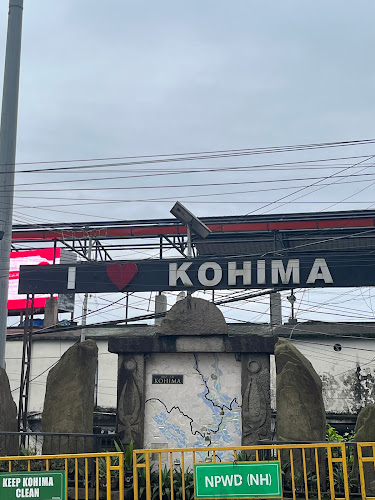
I LOVE KOHIMA
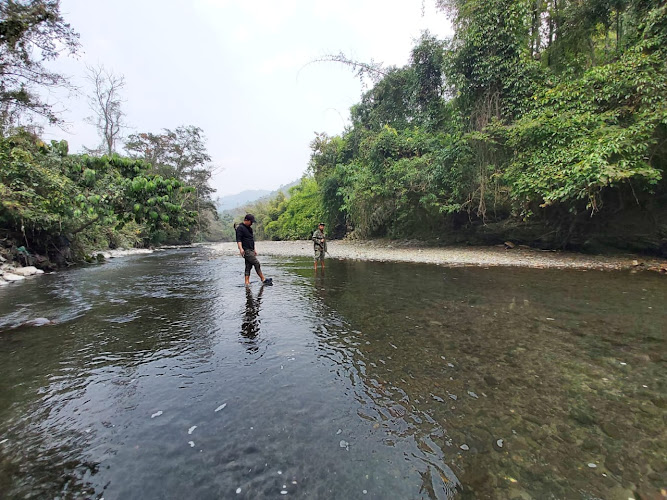
Pfüchatsumia Dzü River
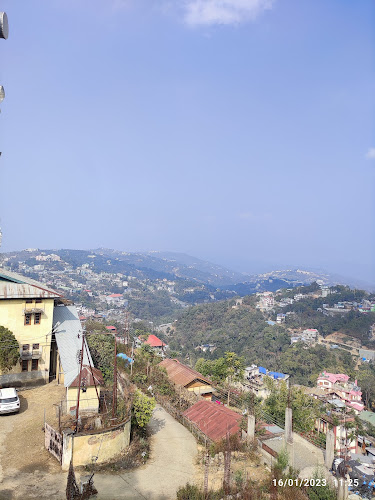
Upper Bayavü Hill
Find Accommodations Nearby
Recommended Tours & Activities
Visitor Reviews
There are no reviews yet. Be the first one to write one.
Share Your Experience
Have you visited Nagaland State Museum? Help other travelers by leaving a review.