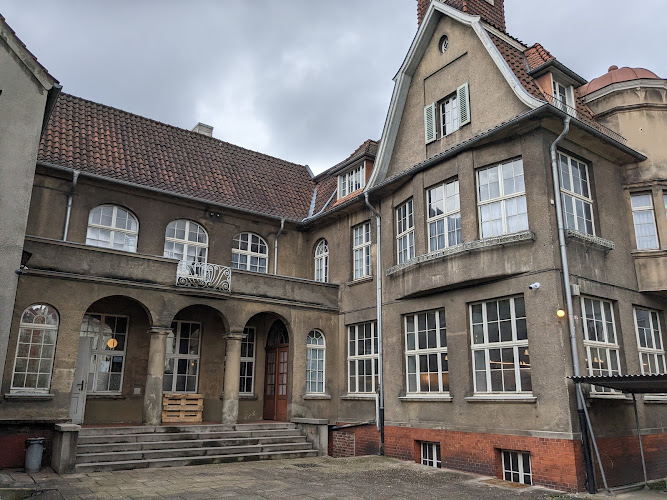
Stepping inside is less like entering a polished exhibition space and more like walking into a textile factory from the early 20th century that simply paused production decades ago—machines, worktables, spools of thread, and even half-finished garments remain in place, quietly telling stories of the people who worked there. The building, once a linen factory, still has the slightly worn but very real atmosphere of its working days, which can feel both nostalgic and humbling. Visitors often find themselves captivated not only by the preserved sewing machines and bolts of fabric, but also by the way the museum preserves the human side of the textile industry—handwritten notes, personal items, and signs of daily labor.
There’s nothing overly glossy or artificially staged here, which is part of its charm. Some rooms carry the faint scent of oil and fabric dust, and you can almost hear the whir of the belt-driven machines that once powered the economy of the region. It’s a place that celebrates the craft of garment-making, the skill of seamstresses, and the social and economic context that shaped their lives. While parts of the museum might feel a little dim (lighting is kept deliberately low to protect materials), this tends to add to the authentic ambiance rather than detract from it. Visitors who value authenticity over slick multimedia experiences will likely appreciate its understated approach.
The museum is also a reflection of Bielefeld’s broader industrial heritage within Westphalia, particularly its strong ties to the textile industry, which once played a major role in the city’s growth. Unlike some historic museums that completely reinvent their spaces, Museum Wäschefabrik remains grounded in situ—it is the factory, simply repurposed. This makes it as much a preserved workplace as it is a museum, and it’s a rare example of “frozen-in-time” industrial preservation done with care and respect for its origins.
Best Time to Visit
This museum can be enjoyed year-round, but there’s something about visiting in the cooler months that makes the experience even more atmospheric. Autumn and winter tend to give the dim, industrial interiors an added coziness, in contrast to the brisk weather outside. If you prefer a quieter visit with plenty of time to ask questions during guided tours, weekdays in the mid-morning are ideal. Summers can see a modest influx of visitors, though never so much that the rooms feel overcrowded—it’s still something of a hidden gem. And if you time your visit around local cultural events in Bielefeld, you might find complementary experiences related to art, industry, or history.
How to Get There
Bielefeld is well-connected by regional and national train services, making it easy to include the Museum Wäschefabrik in a broader tour of North Rhine-Westphalia. From the main train station, the museum is reachable by a short walk or a quick hop on local buses or trams. If you’re driving, parking in the city center is generally straightforward, although spaces can fill quickly on market days. Cycling is also a pleasant option, particularly in warmer months, as the surrounding streets are bike-friendly and offer a glimpse of both historic and modern facets of the city along the way.
Tips for Visiting
Because the museum is set in the original building, it’s worth noting that accessibility is limited—there’s no wheelchair-accessible entrance, and some areas have narrow staircases or uneven floors. Wear comfortable shoes; you’ll be spending time on your feet absorbing the fine details of each room. Guided tours can greatly enhance your visit since many of the most fascinating stories aren’t on plaques but come from the guides’ deep local knowledge. Don’t rush—give yourself at least an hour to truly take in the atmosphere and perhaps another hour if you’re the type who loves to linger on artisanal details.
Photography is usually permitted, but always check at reception first, as certain exhibits may have restrictions. If you have a particular interest in industrial heritage or textile craftsmanship, bring a notebook—there’s a lot you’ll want to jot down or sketch. And perhaps most importantly: visit with curiosity. The museum may look modest from the outside, but behind its doors is a preserved world that feels both intimately local and broadly connected to the story of industrial Europe.
 Real Journey Travels