
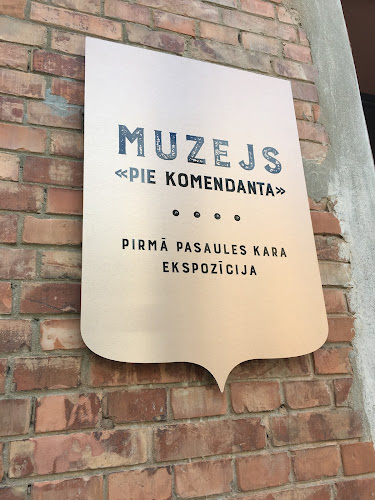
Museum of the World War I “Pie Komendanta”
About Museum of the World War I “Pie Komendanta”
The Museum of the World War I “Pie Komendanta” isn’t your standard history museum; it’s far more personal and gritty than the old textbook stuff you might expect. Tucked in the heart of Daugavpils, this spot takes you right back to the thundering years of the First World War—and honestly, it does it better than a lot of flashier, pricier museums I’ve set foot in. Seriously, you walk in and instantly get that goosebumps feeling as you’re surrounded by artifacts that aren’t locked behind intimidating glass, but curated in a way that makes you wonder who last touched them and what stories unfolded.
Now, as someone who loves poking around in quirky corners of the world and has a bit of a soft spot for lesser-known museums, I was blown away by how thoughtfully everything here is presented. The exhibits aren’t just about medals and uniforms. They bring to life the experience of the war years in Latvia—sometimes with sobering detail, sometimes with unexpected warmth. There’s a real narrative flow here, a feeling like the objects actually have voices and the walls would speak if they could.
Plus, the guides (if you’re lucky enough to catch one—do ask!) are locals brimming with stories you don’t find online or in history books. They don’t sugarcoat anything, which I actually respect a lot. Instead, you get tales both heroic and heartbreaking. Before I visited, I’ll admit I didn’t know much about Latvia’s role in WWI, but by the time I left I had a whole new perspective on regional history and how war ripples through generations.
Important for parents: this museum pulls off the neat trick of being both educational and honestly, pretty good fun for kids. There’s this hands-on, almost tactile dimension to the displays; even a stubborn teenager (I have one at home, so I know the struggle) would find at least a couple things here that beat staring at a phone. And don’t even get me started on the older generation—my history-loving uncle would absolutely eat this place up.
Most people who visit feel like they’ve discovered a bit of a hidden gem. Yeah, it isn’t massive, and you won’t need to spend your whole day here, but that actually adds to the charm. The museum’s atmosphere—intimate, respectful, quietly intense—lingers long after you head back outside.
Key Features
- Deeply curated exhibits authentic to WWI, emphasizing Latvia’s role—a rare find outside big-name European museums.
- Family-friendly environment with displays tailored for children and teens, making history feel approachable.
- Guided tours led by knowledgeable locals; personal anecdotes that paint a poignant picture beyond dry statistics.
- Spacious, clean interiors and accessible restrooms—often overlooked, but trust me, appreciated after a long drive.
- Free parking both on-site and on the street (a lifesaver during busy weekends or when traveling with restless kiddos).
- Interactive artifacts and displays—you’re invited to lean in, ask questions, and put your curiosity to good use.
- Calm setting ideal for reflection, away from large tour crowds or the noise of bigger urban attractions.
- Close to local eateries and scenic surrounding areas, in case you want to make a fuller day trip out of your visit.
Best Time to Visit
If there’s one thing I always look for, it’s how to dodge the biggest crowds. This museum has its peak times, sure, but it’s really never what I’d call packed or overwhelming. Weekdays (especially late mornings or early afternoons) are your best bet if you want time to linger over exhibits and chat with staff without feeling rushed. Spring and early autumn, when the weather is gentle, make for cozy visits—the air just has a certain crispness that matches the thoughtfulness of the place.
And here’s a personal tip: rainy days actually up the atmosphere. Seriously, there’s something oddly fitting about pondering the struggles of the First World War while raindrops dash against old windows. The museum isn’t air-conditioned like some bigger venues, but it stays comfortable year-round, so you’re good no matter the season. If you’re planning to bring school-aged kids, consider coming on a weekday afternoon when class trips are less frequent; you’ll practically have the run of the place.
Special events and commemorations—particularly those surrounding Armistice Day or Latvian memorial moments—sometimes spark guest lectures or unique displays. If you’re a hardcore history buff or like a bit of local ceremony, those occasions are not to be missed. But, word to the wise, check locally or make a quick phone call ahead to confirm the schedule, as things can change last-minute in smaller institutions.
How to Get There
Driving in? You’re in luck—free parking is about as abundant as you’ll find anywhere in Daugavpils. The museum’s location makes it a very straightforward place to find, even if you’re coming from out of town. Set your GPS, or if you’re like me and occasionally trust old-fashioned maps, the signage on the main approach roads is clear and easy to follow.
For those using public transport, local buses stop within a reasonably short walking distance. Ask your accommodation or a friendly local to double-check the most reliable routes—Latvia’s public transit is generally efficient but does sometimes suffer schedule changes, especially outside peak hours.
Cycling fans might love that the museum is close enough to downtown Daugavpils to make for a breezy bike ride. Cycle paths wind through tree-lined streets and past a few good coffee stops (I’d recommend grabbing a pastry to eat on one of the nearby benches before or after your visit—it’s the little things that make a trip memorable, right?). Taxis and rideshares are available, though not always as plentiful as in big cities, so pre-booking for your return might be a smart move.
Honestly, part of the charm here is that the journey isn’t complicated or stressful—unlike some tourist attractions that have you frantically eyeing the clock. You can relax, take your time, and let the anticipation build a bit as you arrive.
Tips for Visiting
Alright, here’s where seasoned explorers and first-timers alike can get the most out of their trip:
- Set aside at least an hour. No rushing! You’ll want time to absorb the details, especially some of the more personal stories dotted throughout the halls.
- Ask for a guided tour if you’re curious—the local guides are worth their weight in gold. Even one or two questions can lead to stories you won’t find anywhere else. Don’t be shy!
- Traveling with kids? Pre-warn them that this isn’t a hands-on science center, but also point out the artifacts that might catch their imagination—helmets, medals, flags, and more.
- Bring a small notebook or use your phone for taking notes. Some stories will stick with you, and you might even want to jot down things to Google later (or refresh your school history knowledge—no shame in that, I needed it!).
- Respect the solemnity. While the atmosphere is friendly, this is a place of remembrance. Walk softly, keep voices low, and take a quiet moment for reflection.
- No snack bar on site, but you can easily find food within a short drive. Come prepared, especially with small children—hungry kids and history lessons aren’t the best match!
- Photography rules are relaxed in most areas, but always double-check before snapping away. If unsure, just ask—a polite question goes a long way.
- Check for special exhibits. Sometimes there’ll be a temporary installation or anniversary event that adds even more depth to your visit; local flyers and social media updates can be helpful.
- Use the restrooms before heading out. It sounds small but can save you hassle later, especially during road trips or if you’re herding a group.
And above all—bring a curious mind. This museum isn’t just about memorizing dates and battles. It’s about understanding a part of European—and especially Latvian—history too often overlooked. You might walk away with more questions than answers, but if you ask me, that’s exactly what great history museums are for. Happy exploring!
Key Features
- Deeply curated exhibits authentic to WWI, emphasizing Latvia’s role—a rare find outside big-name European museums.
- Family-friendly environment with displays tailored for children and teens, making history feel approachable.
- Guided tours led by knowledgeable locals; personal anecdotes that paint a poignant picture beyond dry statistics.
- Spacious, clean interiors and accessible restrooms—often overlooked, but trust me, appreciated after a long drive.
- Free parking both on-site and on the street (a lifesaver during busy weekends or when traveling with restless kiddos).
- Interactive artifacts and displays—you’re invited to lean in, ask questions, and put your curiosity to good use.
- Calm setting ideal for reflection, away from large tour crowds or the noise of bigger urban attractions.
- Close to local eateries and scenic surrounding areas, in case you want to make a fuller day trip out of your visit.
You Might Also Like
A9
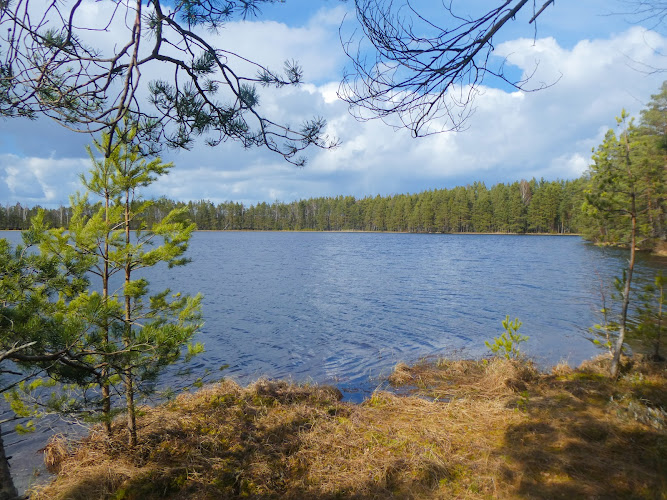
Akacis
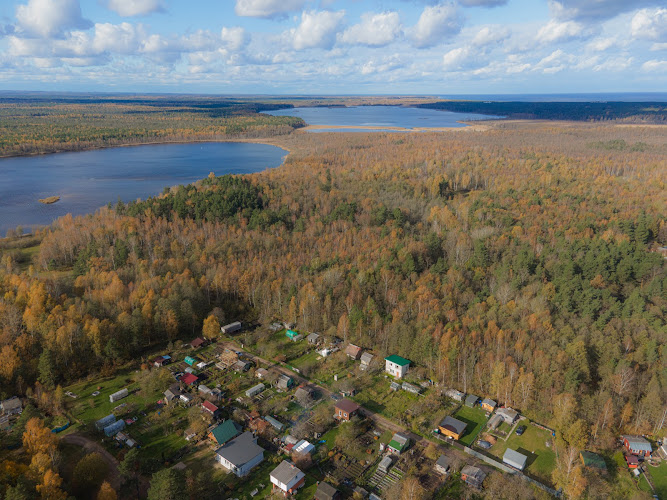
Aklais ezers
Tours & Activities
GetYourGuide provides this tour inventory. We may earn a commission if you book through it; verify current availability, prices, and terms with the provider.
Visitor Reviews
There are no reviews yet. Be the first one to write one.
Share Your Experience
Have you visited Museum of the World War I “Pie Komendanta”? Help other travelers by leaving a review.