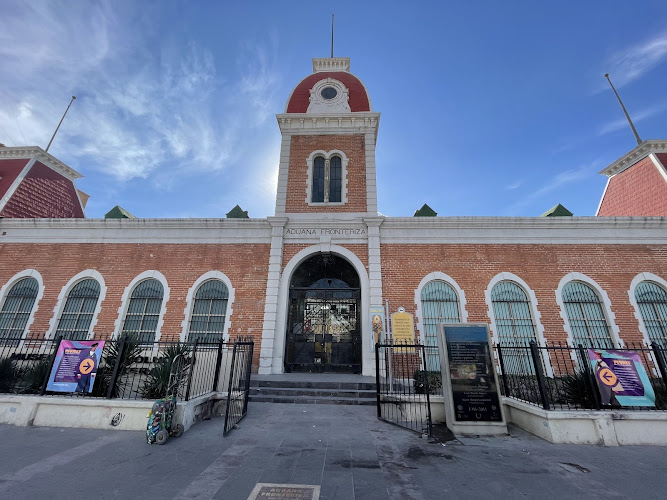
The Museum of Revolution in the Borderland sits inside an imposing 19th-century customs house and tells the layered story of Ciudad Juárez and its role in the Mexican Revolution. The museum frames the city not as a footnote, but as a crossroads — politically, socially and geographically — where ideas, people and conflicts swept back and forth across the border. Exhibits move from the late Porfirian era into the chaotic years of Madero, Villa and the various regional movements that shaped northern Mexico. Visitors will find photographs, personal letters, military paraphernalia, period maps and interpretive panels that place local events in the wider picture of the Mexican Revolution and the history of the borderlands.
There is a tangible contrast between the old customs building — heavy wooden doors, original stonework and that patient, slightly creaky air older civic architecture carries — and the sharp, often graphic stories displayed inside. The museum does not shy away from complexity: economic forces, cross-border relations with the United States, migration, and the everyday lives of people who lived through upheaval are all part of the narrative. And yes, some rooms feel museum-y in the old-fashioned way — dim lighting, vitrines and formal captions — while others use photographs and interpretive displays to make history feel immediate. The balance works for many visitors, though a few expect more interactive bells and whistles. That’s not a failing; it’s simply the museum’s personality — steady, documentary, and rooted in place.
This is a place that rewards a curious pace. The writer remembers lingering over a black-and-white photograph of a crowded Juárez street and realizing that the border had always been porous: goods, people, stories and politics moved across it long before modern fences and headlines. If you like to read and ponder, this museum gives you time and detail. Families with children will find digestible sections and clear storytelling, while history buffs can dive into primary documents and local oral histories. Accessibility is taken seriously here: wheelchair-friendly entrances, accessible parking and restrooms make the site more usable than many older historic buildings. There’s a free parking lot for those driving, and though there’s no on-site restaurant, basic visitor needs are met with restrooms and seating areas.
In short, the Museum of Revolution in the Borderland is a must-see for travelers who want historical depth about Ciudad Juárez, the Mexican Revolution and border history. It’s not flashy, but it’s honest and grounded, and it often leaves people with questions — which, to be frank, is exactly the point of a good history museum.
Key Features
- Housed in a restored 19th-century customs building whose architecture illustrates the town’s role as a border gateway.
- Comprehensive exhibits covering Juárez’s history and the Mexican Revolution, including photographs, documents, uniforms and maps.
- Focused interpretation of borderland dynamics: cross-border commerce, migration, political ties to the United States and regional leaders like Pancho Villa and Francisco Madero.
- Wheelchair accessible entrance, parking and restroom facilities — thoughtful for an older structure.
- Free parking lot for visitors arriving by car, convenient for day-trippers.
- Family-friendly layout with clearly labeled sections that are suitable for older children and teens.
- Quiet galleries that encourage reflection; good for those who prefer depth over sensationalism.
- Photographic collections and curated oral histories that highlight everyday life during revolutionary times.
- Informational signage often in Spanish; portions of the core narrative may be available in English depending on staffing and exhibits.
- Central location in the historic downtown area, making it a practical stop when exploring nearby cultural sites and plazas.
Best Time to Visit
The museum welcomes visitors year-round, but timing matters if you want the most comfortable and calm experience. Early mornings on weekdays are often quieter — fewer school groups and tour buses — which is ideal for those who like to read and photograph exhibits without interruption. Midweek visits also give staff a bit more time to answer questions or point out less obvious highlights. If a weekend is unavoidable, aim for the first hour after opening to beat the local crowd.
Weather in northern Mexico can be intense in summer. Summer afternoons can be hot and humid; many locals retreat indoors, and you’ll see more families visiting in the mornings or evenings. The cooler months, especially late fall through early spring, make for pleasant walking in the historic center before or after a museum stop. Festivals and commemorations tied to revolutionary anniversaries bring energy and extra programming, but they also mean larger crowds; go if you like parades and local color, but expect a busier museum experience.
How to Get There
The museum sits in the heart of the historic center, and getting there is straightforward whether arriving by taxi, rental car or on foot from nearby hotels. For travelers coming across the border from the United States, plan extra time for border crossings and remember that the museum is best visited after clearing customs and local transit. From central Juárez, a short cab ride or a brisk walk will often do it. Parking is free on-site, which is a rare bit of luck in many downtown areas; the writer once turned up on a crowded weekend thinking parking would be a hassle and was pleasantly surprised to find a spot without circling forever.
Public transportation serves the area but can be a bit confusing for first-time visitors. If using buses, ask a local or your hotel for the exact routes; drivers and fellow passengers are usually helpful. Taxis and ride-sharing options are common and reliable for tourists. Walking is a great option if the weather cooperates — the museum sits near plazas and streets lined with shops, and a stroll before or after the visit reveals historic buildings and local life. And yes, wearing comfortable shoes is a small, practical tip that often gets overlooked.
Tips for Visiting
The museum is straightforward, but a few tips make the visit richer. First: give yourself at least 60 to 90 minutes. That’s a sweet spot for reading panels, seeing key objects, and not rushing through. If you’re a history nerd, plan for two hours; there are layers to discover and little details — names, dates, correspondences — that reward slow reading.
Bring a small notebook or use your phone to jot down names and topics that intrigue you. The museum’s exhibits often reference local leaders and events woven into larger national movements; these names are great starting points for deeper reading later. The writer found that noting a few book or person names on the spot made post-trip reading way more satisfying.
Language can be a factor. Much of the core documentation and signage is in Spanish, though key summaries may be found in English. If Spanish isn’t your strong suit, consider visiting with a bilingual friend or hiring a local guide for a quick walking tour; it changes the experience. But don’t be put off — the photographs, maps and objects tell compelling visual stories even without full language comprehension.
Photographs: casual photography is often allowed but check for restricted items and respect any-no-photo signs. Flash is seldom permitted near delicate artifacts. And please, no leaning on vitrines — those old cases are irreplaceable.
Kids: the museum is good for children who enjoy history and images; still, younger children may need short breaks. There are benches and public spaces nearby where families can regroup. No on-site restaurant means packing snacks is wise if you have small ones in tow, though be mindful of museum rules about eating indoors.
Combine the visit with a walk around the historic center. The museum pairs well with a stroll to nearby plazas, older government buildings and markets. Local street vendors offer snacks and small crafts outside; the smell of fresh tortillas or roasted coffee often drifts by and is its own kind of local history lesson. The writer once ducked into a small market after the museum and discovered a vendor who shared a two-sentence family story that unexpectedly echoed the exhibit on cross-border labor — history in the flesh, right there.
Ask questions. Museum staff are usually happy to point out lesser-known artifacts or tell you about rotating exhibitions. They sometimes include oral histories or temporary displays that highlight regional artists or local community projects tied to the revolution’s legacy. These rotating corners can become the most memorable part of a visit.
Finally, plan logistics. There’s free parking but few dining options inside the museum. The surrounding downtown area has cafés and casual restaurants; it’s worth checking opening hours beforehand. If accessibility is a concern, the museum provides wheelchair access and accessible restrooms, but calling ahead can smooth any special arrangements. And if you’re mapping out a day, put the museum on the same side of town as other historic sites to minimize transit time.
All told, the Museum of Revolution in the Borderland is an unexpectedly thoughtful stop. It won’t dazzle with high-tech installations, but it will ground you in the hard, messy realities of history told from a border city’s perspective. If you like walking away with new questions and a better sense of why Juárez matters to the story of Mexico and the borderlands, this is the place to linger.
 Real Journey Travels