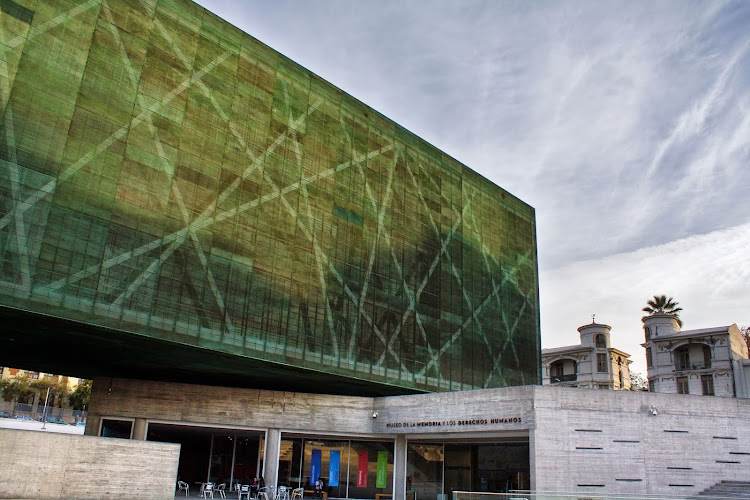
In Santiago’s Matucana cultural area, the Museum of Memory & Human Rights is a place for deliberate looking rather than a quick pass through a collection. The architecture and galleries frame an account of Chile’s recent past that is both national in scope and intensely personal. Exhibits address the military dictatorship of 1973 to 1990, drawing attention to people affected by repression, exile, detention, disappearance, resistance, and the wider struggle for human rights. The experience can be sobering, but it is designed to encourage informed reflection rather than spectacle.
The museum occupies an important place in Chile’s public conversation about memory. Its materials connect official records with individual voices, allowing visitors to move between historical chronology and lived experience. For international travelers, it provides essential context for understanding modern Chile beyond its landscapes and food culture. For Chilean visitors and Spanish speakers, it can also be a space of recognition, family history, and civic discussion. Give the subject matter the time it deserves: the strongest moments often come from reading, listening, and pausing rather than simply moving from one display to the next.
What to See & Experience
The permanent displays use archival evidence and audiovisual interpretation to examine the coup, the years of dictatorship, human-rights violations, solidarity networks, and the long work of remembrance. Personal photographs, letters, identification material, recordings, and testimony help prevent the story from becoming an abstract sequence of dates. The museum’s approach is emotionally direct, yet its emphasis on documentation gives visitors a clear sense of how evidence, memory, and public accountability are connected.
- Archival documents that illuminate the political and human context of 1973–1990.
- Photographic collections that preserve faces, families, demonstrations, and daily life.
- Audiovisual testimony that brings survivors’ and relatives’ voices into the galleries.
- Memorial elements honoring people killed or disappeared during the dictatorship.
- Temporary exhibitions that broaden conversations about rights, memory, and justice.
- Outdoor and contemplative spaces for a quieter pause after the galleries.
Look for the way individual objects sit alongside larger historical narratives. A document or photograph may require only a few minutes to view, yet the accompanying account can be the part that stays with you. Temporary programming may shift the emphasis of a visit, so returning visitors can find new angles on Chilean memory or wider human-rights questions. If a gallery feels emotionally demanding, use the reflective areas as part of the visit rather than treating them as an afterthought.
Practical Visitor Strategy
| Planning Factor | Visitor Advice |
|---|
| Best Time to Go | Choose an unhurried daytime slot, ideally when you can concentrate without needing to rush to another commitment. |
| Suggested Duration | Allow at least two hours for the core galleries; add time if you read extensively or engage with audiovisual material. |
| Crowd & Pacing Tips | Start with the historical overview, then slow down for testimony and archives. Build in quiet breaks if needed. |
| Getting Oriented | Begin by identifying the exhibition sequence and any temporary displays, then decide which themes merit deeper attention. |
| Nearby Pairing | Pair the visit with other cultural stops in the Matucana area, or leave time for a calm café or park break afterward. |
Because the subject is serious, a shorter, attentive visit is often more rewarding than trying to absorb every label at speed. Travelers with a fixed itinerary may prefer to visit early in the day, when there is room to process the material before moving on. Check current visitor information independently before departure for operational details, special exhibitions, language support, and any access arrangements that may affect your plans. Keep the rest of the day flexible if possible; many visitors appreciate having time afterward to talk, write notes, or simply decompress.
Who Will Enjoy It Most (and Trade-Offs)
This museum is particularly worthwhile for travelers interested in Chilean history, Latin American politics, journalism, social movements, law, education, and the ethics of commemoration. It also suits visitors who value museums built around primary material and personal testimony rather than art objects alone. Students and thoughtful first-time visitors to Santiago will gain useful context for the country’s democratic institutions and contemporary debates. Families with older teenagers may find it meaningful when approached with care and enough time for conversation.
The central trade-off is emotional intensity: this is not a light cultural attraction, and some material may be distressing. The visit involves sustained reading, listening, and movement through multiple gallery spaces, so travelers who need a slower pace should plan breaks and review current accessibility information before arriving. It pairs naturally with the museums, arts venues, and public spaces around Matucana, but avoid overloading the same day with too many demanding indoor stops. For many people, the best complement is something restorative nearby: a walk, a meal, or time to reflect on the stories encountered.
 Real Journey Travels