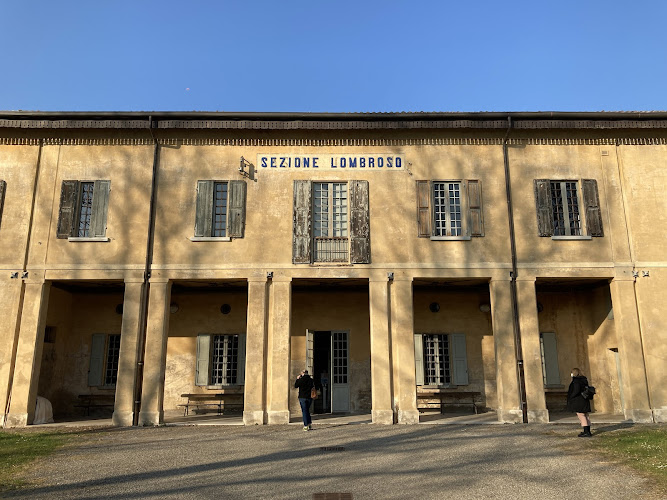
The museum does not pretend to be light; it is deliberate, sometimes stark, and frequently very moving. It documents the evolution of psychiatric care in Italy — and, by implication, in much of Europe — from custodial asylum practices to more humane approaches, showing objects, documents, photographs, and patient-made art that together tell a story of care, control, reform and resilience.
The permanent displays are arranged so that the architecture itself becomes part of the exhibit. Long corridors that once separated wards are now galleries where metal beds, restraint devices, original ward signs and clinical records sit beside the personal items of former patients. The contrast between institutional fittings and intimate objects—letters, handmade tools, embroidered cloths—creates an emotional tension that most visitors notice. It’s not a museum of curiosities; it’s a museum of lives lived within walls that society once chose to hide behind.
One of the most distinctive features is the patient art collection. The museum preserves drawings, paintings and sculptures produced in therapeutic workshops. Those pieces are not decorative; they are testimony. Visitors often linger here, because the work reveals personality and agency in a context that historically stripped people of both. The collection helps shift the narrative away from pathology alone; it points to creativity, coping, and the small acts of dignity patients managed to preserve.
Interpretive panels mix clinical history with social history. The exhibits explain diagnostic categories, treatments and the philosophies behind them—think hydrotherapy, isolation rooms, electroconvulsive treatment, moral therapy—and they also situate those practices within changing laws, politics and public attitudes. The museum doesn’t excuse abuses, nor does it sensationalize them. Instead it tries to explain how certain ideas came to be accepted and then later critiqued or overturned. That careful, context-rich approach is one reason scholars, students and curious travelers find the place worthwhile.
Visitors who are interested in archival research will appreciate the museum’s curated document displays: admission registers, old case files (presented with attention to privacy and ethics), and administrative correspondence that reveal how decisions were made at institutional and governmental levels. These primary sources make abstract reforms tangible: one can actually see the paperwork behind deinstitutionalization efforts and the slow, messy work of transforming mental health services.
There is also a strong local emphasis. The narrative is anchored in the Reggio Emilia experience—how the city’s services developed, how local reformers and clinicians influenced broader Italian practice, and how families and communities responded. For travelers who like to connect a place to its people, this localized focus is rewarding; it weaves national history into the streets and neighborhoods of Reggio Emilia. And for those who have encountered psychiatric history only in textbooks, the museum’s regional stories often surprise and engage.
The museum is fairly compact, so it’s not an all-day affair, but plan more time than one might think. People frequently underestimate how absorbing the exhibits are; thirty minutes can easily expand into two hours. Guided tours, when available, add a layer of interpretation and are worth seeking out because staff often share anecdotes or background that does not appear on placards. The volunteer guides—some of whom are historians, others former mental health workers—bring a human voice to what can otherwise be a heavily clinical presentation.
Practically speaking, the site is accessible in several important ways: there is a wheelchair-accessible entrance and an accessible restroom. That matters; it’s not just bureaucratic compliance but a real, tangible invitation to a wider range of visitors. Do note, however, that accessible parking is limited or not available immediately on-site, so visitors arriving by car should check local parking options in advance or consider public transport or taxi drop-off closer to the entrance.
The museum does not include an on-site restaurant, and amenities are modest: a restroom for visitors and the small museum shop with books and postcards related to the history of psychiatry and mental health reform. If one wants to linger over coffee or a longer lunch, the surrounding neighborhood of Reggio Emilia offers cafés and trattorie that reward a pause after an intense visit.
As for atmosphere, it can range from quietly contemplative to unexpectedly educational. Some rooms feel clinical and factual; others are intimate and downright heartbreaking. The curators try to balance respect for former patients with frankness about past practices, and for the most part they succeed. Visitors who come expecting sensational displays or voyeuristic thrills will leave disappointed; those who seek thoughtful, sometimes challenging engagement will leave with a lot to think about. This is a museum that asks moral questions, not just historical ones.
Insider notes that aren’t always advertised: the museum periodically hosts temporary exhibits and small symposiums that dive into topics like psychiatric institutions in wartime, artistic therapies, and the history of psychiatric nursing. These often draw academics but also local audiences, and they add dynamism to a place that otherwise might feel like a static archive. Also, the museum staff are surprisingly open to conversation—if one is respectful and curious, they will often share oral histories or point to lesser-known archival nuggets. The author remembers once being shown a faded photograph behind the curator’s desk that wasn’t on display; it turned a general impression into a specific, human story and that’s the kind of moment that makes the visit stick.
For those attuned to ethical questions, the museum engages with contemporary debates about stigma, patient rights and mental health policy. It does not offer simple answers; rather it provides a historical lens for understanding why those debates matter today. Students of medicine, psychology, social work and history will find the collection particularly rich because the artifacts intersect clinical practice, government policy and family life.
Finally, the Museum of History of Psychiatry is a place that rewards slow, reflective walking. It’s not about ticking off the sights; it’s about letting layers of history accumulate in the mind. If visitors are prepared to confront uncomfortable material and to listen to stories that complicate easy narratives, they will find the museum quietly powerful. If they prefer museums that are purely celebratory or entertaining, this might not satisfy. But for travelers who like their cultural stops to make them think—and maybe change a little—this museum offers a memorable experience in the heart of Reggio Emilia.
 Real Journey Travels