
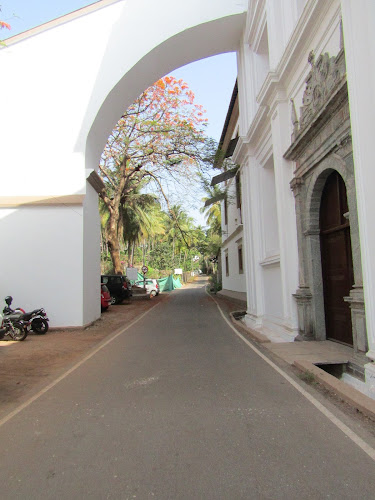
Museum Of Christian Art
About Museum Of Christian Art
Description
Visiting the Museum of Christian Art in Old Goa is like stepping into a time capsule where centuries of faith, culture, and artistry collide in the most fascinating way. Housed in the 16th-century Convent of Santa Monica, this place isn’t just a museum — it’s a storytelling haven that captures the unique Indo-Portuguese heritage through stunning Christian artworks. If you’ve ever been curious about how art and religion intertwined during Goa’s colonial past, this museum lays it all out with sincerity and a touch of old-world charm.
What really sets this museum apart is its exclusive focus on Christian art, showcasing a rare blend of European and Indian influences. You’ll find richly embroidered vestments that seem to whisper the prayers of centuries, delicate ivory sculptures carved with painstaking detail, and precious metal chalices that gleam with history. It’s not your typical museum where you just glance and move on — here, you can almost feel the devotion and craftsmanship breathing through each piece.
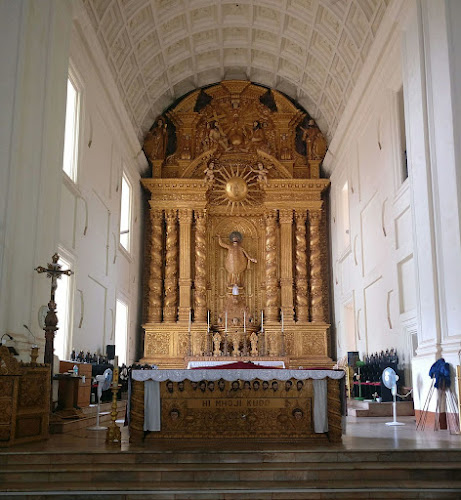
And let me tell you, the ambiance of the old convent building adds a layer of authenticity that modern museums often lack. The walls themselves seem to hold secrets, echoing centuries of worship and artistic dedication. It’s a quiet, reflective space but also surprisingly lively at times, especially when live performances are held, adding a dynamic cultural flavor to your visit.
Accessibility is thoughtfully handled, too. Whether you’re navigating with a wheelchair or pushing a stroller, the museum is equipped with ramps and accessible parking, making it welcoming for all kinds of travelers. Families with kids will find it a rewarding experience, as the exhibits are engaging enough to spark curiosity without overwhelming little ones.
While there’s no on-site restaurant, the museum’s location in Old Goa means you’re just a short walk from some delightful local eateries where you can grab a bite after immersing yourself in art and history. Payment options are modern and convenient, including Google Pay, which is a nice touch in a place steeped in tradition.
Key Features
- Located in the historic 16th-century Convent of Santa Monica, offering an authentic backdrop
- Exclusive collection of Indo-Portuguese Christian art spanning from the 16th to 20th century
- Richly embroidered vestments, intricate ivory sculptures, and precious metal religious artifacts
- Live cultural performances that bring history to life
- Wheelchair accessible entrances and parking, ensuring inclusivity
- Family-friendly environment with exhibits that are engaging for children
- LGBTQ+ friendly space, welcoming diverse visitors with open arms
- Free street parking nearby, making access hassle-free
- Modern payment methods accepted, including Google Pay
- Restroom facilities available on-site for visitor convenience
Best Time to Visit
Goa’s tropical climate means it can get pretty hot and humid, so the best time to explore the Museum of Christian Art is during the cooler months from November to February. This period offers pleasant weather, perfect for wandering around Old Goa’s historic sites without breaking a sweat. Plus, during this time, the museum sometimes hosts live performances and special exhibitions, adding an extra layer of excitement to your visit.
Visiting early in the day can be a smart move. Not only do you beat the crowds, but the soft morning light filtering through the convent’s windows adds a magical glow to the artworks, enhancing your experience. If you’re someone who likes a more peaceful vibe, weekdays are generally quieter than weekends, which tend to attract more tourists.
How to Get There
Getting to the Museum of Christian Art is pretty straightforward, especially if you’re staying in Panaji or nearby areas. Old Goa is just a short drive away, and you can easily hire a taxi or use local buses that connect the city to this heritage hub. For the more adventurous, renting a scooter or bike is a popular choice — it gives you the freedom to explore the surrounding churches and landmarks at your own pace.
If you’re coming from the airport, it’s about a 45-minute drive, depending on traffic. The museum is well-signposted, but it’s tucked inside the old town area, so keep an eye out for the convent’s distinctive architecture. Parking is available on the street free of charge, but it can fill up during peak tourist season, so arriving early is a good idea.
Tips for Visiting
Here’s where I get a bit personal — when I first visited, I underestimated how much time I’d want to spend here. Don’t rush it. Give yourself at least 1.5 to 2 hours to really soak in the details and let the stories unfold. The plaques and descriptions are informative, but sometimes just standing quietly and admiring the craftsmanship tells you more than words ever could.
Photography is usually allowed, but flash photography can damage the delicate artifacts, so keep that in mind if you want to capture memories without causing harm. Also, the museum doesn’t have a café, so pack a water bottle and perhaps a light snack, especially if you’re visiting with kids.
Wear comfortable shoes because the convent floors are old and uneven in places — nothing too fancy, but something sturdy enough for walking. And if you’re planning to catch one of the live performances, check the schedule ahead of time; they’re not daily but definitely worth timing your visit for.
Lastly, chat with the staff if you get a chance. They’re passionate about the collection and often share fascinating tidbits that don’t make it into the guidebooks. It’s those little stories that really bring the place alive and make your visit unforgettable.
Key Features
- Located in the historic 16th-century Convent of Santa Monica, offering an authentic backdrop
- Exclusive collection of Indo-Portuguese Christian art spanning from the 16th to 20th century
- Richly embroidered vestments, intricate ivory sculptures, and precious metal religious artifacts
- Live cultural performances that bring history to life
- Wheelchair accessible entrances and parking, ensuring inclusivity
- Family-friendly environment with exhibits that are engaging for children
- LGBTQ+ friendly space, welcoming diverse visitors with open arms
- Free street parking nearby, making access hassle-free
More Details
Updated July 16, 2025
Table of Contents
Description
Visiting the Museum of Christian Art in Old Goa is like stepping into a time capsule where centuries of faith, culture, and artistry collide in the most fascinating way. Housed in the 16th-century Convent of Santa Monica, this place isn’t just a museum — it’s a storytelling haven that captures the unique Indo-Portuguese heritage through stunning Christian artworks. If you’ve ever been curious about how art and religion intertwined during Goa’s colonial past, this museum lays it all out with sincerity and a touch of old-world charm.
What really sets this museum apart is its exclusive focus on Christian art, showcasing a rare blend of European and Indian influences. You’ll find richly embroidered vestments that seem to whisper the prayers of centuries, delicate ivory sculptures carved with painstaking detail, and precious metal chalices that gleam with history. It’s not your typical museum where you just glance and move on — here, you can almost feel the devotion and craftsmanship breathing through each piece.
And let me tell you, the ambiance of the old convent building adds a layer of authenticity that modern museums often lack. The walls themselves seem to hold secrets, echoing centuries of worship and artistic dedication. It’s a quiet, reflective space but also surprisingly lively at times, especially when live performances are held, adding a dynamic cultural flavor to your visit.
Accessibility is thoughtfully handled, too. Whether you’re navigating with a wheelchair or pushing a stroller, the museum is equipped with ramps and accessible parking, making it welcoming for all kinds of travelers. Families with kids will find it a rewarding experience, as the exhibits are engaging enough to spark curiosity without overwhelming little ones.
While there’s no on-site restaurant, the museum’s location in Old Goa means you’re just a short walk from some delightful local eateries where you can grab a bite after immersing yourself in art and history. Payment options are modern and convenient, including Google Pay, which is a nice touch in a place steeped in tradition.
Key Features
- Located in the historic 16th-century Convent of Santa Monica, offering an authentic backdrop
- Exclusive collection of Indo-Portuguese Christian art spanning from the 16th to 20th century
- Richly embroidered vestments, intricate ivory sculptures, and precious metal religious artifacts
- Live cultural performances that bring history to life
- Wheelchair accessible entrances and parking, ensuring inclusivity
- Family-friendly environment with exhibits that are engaging for children
- LGBTQ+ friendly space, welcoming diverse visitors with open arms
- Free street parking nearby, making access hassle-free
- Modern payment methods accepted, including Google Pay
- Restroom facilities available on-site for visitor convenience
Best Time to Visit
Goa’s tropical climate means it can get pretty hot and humid, so the best time to explore the Museum of Christian Art is during the cooler months from November to February. This period offers pleasant weather, perfect for wandering around Old Goa’s historic sites without breaking a sweat. Plus, during this time, the museum sometimes hosts live performances and special exhibitions, adding an extra layer of excitement to your visit.
Visiting early in the day can be a smart move. Not only do you beat the crowds, but the soft morning light filtering through the convent’s windows adds a magical glow to the artworks, enhancing your experience. If you’re someone who likes a more peaceful vibe, weekdays are generally quieter than weekends, which tend to attract more tourists.
How to Get There
Getting to the Museum of Christian Art is pretty straightforward, especially if you’re staying in Panaji or nearby areas. Old Goa is just a short drive away, and you can easily hire a taxi or use local buses that connect the city to this heritage hub. For the more adventurous, renting a scooter or bike is a popular choice — it gives you the freedom to explore the surrounding churches and landmarks at your own pace.
If you’re coming from the airport, it’s about a 45-minute drive, depending on traffic. The museum is well-signposted, but it’s tucked inside the old town area, so keep an eye out for the convent’s distinctive architecture. Parking is available on the street free of charge, but it can fill up during peak tourist season, so arriving early is a good idea.
Tips for Visiting
Here’s where I get a bit personal — when I first visited, I underestimated how much time I’d want to spend here. Don’t rush it. Give yourself at least 1.5 to 2 hours to really soak in the details and let the stories unfold. The plaques and descriptions are informative, but sometimes just standing quietly and admiring the craftsmanship tells you more than words ever could.
Photography is usually allowed, but flash photography can damage the delicate artifacts, so keep that in mind if you want to capture memories without causing harm. Also, the museum doesn’t have a café, so pack a water bottle and perhaps a light snack, especially if you’re visiting with kids.
Wear comfortable shoes because the convent floors are old and uneven in places — nothing too fancy, but something sturdy enough for walking. And if you’re planning to catch one of the live performances, check the schedule ahead of time; they’re not daily but definitely worth timing your visit for.
Lastly, chat with the staff if you get a chance. They’re passionate about the collection and often share fascinating tidbits that don’t make it into the guidebooks. It’s those little stories that really bring the place alive and make your visit unforgettable.
Key Highlights
- Located in the historic 16th-century Convent of Santa Monica, offering an authentic backdrop
- Exclusive collection of Indo-Portuguese Christian art spanning from the 16th to 20th century
- Richly embroidered vestments, intricate ivory sculptures, and precious metal religious artifacts
- Live cultural performances that bring history to life
- Wheelchair accessible entrances and parking, ensuring inclusivity
- Family-friendly environment with exhibits that are engaging for children
- LGBTQ+ friendly space, welcoming diverse visitors with open arms
- Free street parking nearby, making access hassle-free
Location
Places to Stay Near Museum Of Christian Art
Find and Book a Tour
Explore More Travel Guides
No reviews found! Be the first to review!
Traveler Reviews for Museum Of Christian Art
There are no reviews yet. Be the first one to write one.
Have you visited Museum Of Christian Art? Help other travelers by sharing your review.
You Might Also Like
Find Accommodations Nearby
Recommended Tours & Activities
Visitor Reviews
There are no reviews yet. Be the first one to write one.
Share Your Experience
Have you visited Museum Of Christian Art? Help other travelers by leaving a review.