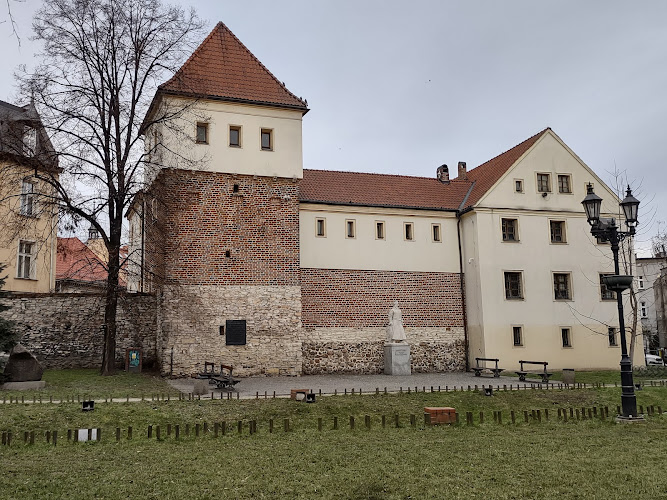
Built around a Gothic keep with a tower dating back to 1322, the site now houses archaeological and historical artifacts that trace the region’s story from early settlement through feudal times to modern local history. The museum occupies the castle’s stone rooms and cellars, so the atmosphere is part exhibition, part time capsule. It’s not a glossy, overproduced museum — it’s honest, slightly rough around the edges, and that, for many visitors, is precisely the charm.
The collection focuses on archaeology and local history. Skeletons of daily life — pottery shards, ancient coins, tools, and reconstructed displays of medieval household items — sit beside exhibits on regional families, trade routes, and the defensive role the castle played. The tower itself is a highlight: climbing its stairs offers a tactile, physical connection to the 14th century that’s hard to get from a photo. The masonry, the narrow windows, the creak of old steps — those details give a sense of continuity. And yes, it’s possible to feel small in history’s shadow. That feeling tends to stick with people.
Curators mix interpretive panels in Polish with English summaries, so non-Polish speakers can follow the narrative, though some labels are succinct and require a little imagination. Interpretation is steadily improving; the museum balances a traditional cabinet-of-curiosities approach with focused thematic displays. For travelers who like history but dislike museum fatigue, the Piast Castle’s scale is just right: compact enough to avoid exhaustion, yet dense enough to offer discoveries at every turn.
Visitors with children will find the castle surprisingly kid-friendly. Exhibits include tangible items kids can point at and ask about, and the feel of an actual medieval tower tends to intrigue younger minds. There are restrooms on site, which is something every traveling family quietly appreciates. Food options within the castle are limited — there’s no on-site restaurant — so guests often combine the visit with a café stop in Gliwice’s old town afterwards.
Key Features
- Accessibility notes: parts of the castle (tower, narrow staircases) may be challenging for visitors with limited mobility
Best Time to Visit
The Piast Castle rewards visitors year-round, but timing can affect the experience considerably. Spring and early autumn are the nicest: mild weather, fewer school groups than midsummer, and that crispness in the air that makes climbing old stone stairs feel invigorating. Late morning to early afternoon is often best — the light through the small tower windows is forgiving and the museum staff are at their most animated then.
Weekdays are generally quieter. Weekends attract families and local visitors, sometimes making the castle feel bustling, which can be pleasant if one enjoys a lively atmosphere. If solitude is the aim, aim for a weekday before lunch. Winters are cold; the stone walls hold chill, which adds authenticity but also makes longer stays less comfortable. Pack a scarf. Summers can bring higher visitor numbers, but Gliwice is not overly crowded compared with major Polish destinations, so even peak months feel manageable.
Special events, temporary exhibitions, or guided tours occur from time to time. Those give deeper insight into particular finds or aspects of regional history. If a traveler prefers structured interpretation, checking the museum’s calendar in advance is wise. Otherwise, spontaneous visits work fine — the displays are set up for independent discovery.
How to Get There
Reaching the Piast Castle in Gliwice is straightforward whether traveling by public transport or by car. From Gliwice’s central tram and bus network, several routes stop within easy walking distance. Local buses run frequently from the main train station; the short walk that follows is pleasant and gives a glimpse of the city’s residential streets and occasional medieval fragments hidden in plain sight. Train travelers can pair a regional rail stop with a local bus or a 20–30 minute walk, depending on pace.
Driving is equally convenient. There is a paid parking lot close to the castle for those preferring the flexibility of a car. The parking is usually reliable, but during local festivals or city events it can fill up; in such cases, on-street parking or nearby municipal lots are alternatives. Travelers should be prepared for narrow streets near the historic center — nothing dramatic, but worth knowing if driving a larger vehicle.
For cycling travelers, Gliwice is fairly bike-friendly. A short ride through green corridors and quieter roads leads to the castle, and cyclists often appreciate the compactness of the route. Pedestrians coming from Gliwice old town will find the walk pleasant; it’s a nice way to transition from the modern city center into older architecture and the stone presence of the castle.
Tips for Visiting
Plan for about 1 to 2 hours. That timeframe allows a leisurely exploration of the permanent exhibits, time to climb the tower, and a moment to enjoy the courtyard and nearby streets. Rushing through in 30 minutes will likely miss the finer details; lingering too long in the chilly stone rooms can drain energy, so pace it.
Bring layers. The castle’s stone interiors hold their temperature, and even a warm summer day outside can feel cool inside. A light jacket or sweater is handy. Comfortable shoes are essential; many floors are uneven and some stairways are steep and narrow. Heels, take a raincheck.
Camera-friendly. Photography for personal use is usually allowed in the museum spaces, but flash and tripods may be restricted to protect sensitive artifacts. For those who love architectural shots, the tower and courtyard provide charming compositions. Early arrival gives the best light for indoor photos through narrow window openings.
Engage with staff. Museum guides and attendants are often local history buffs. A quick chat can reveal behind-the-scenes tidbits or point out small artifacts that aren’t loudly labeled. Locals often share stories about notable archaeological finds or the castle’s role in regional conflicts — these asides can make the visit unexpectedly memorable.
Combine the visit. The castle pairs well with a walking tour of Gliwice’s older neighborhoods or a stop at a nearby café for soup or pierogi afterwards. Because there’s no restaurant inside the castle, planning a meal before or after the visit is practical. For families, packing light snacks can help on longer days of sightseeing.
Accessibility note: The tower and some exhibition rooms are not fully accessible to people with mobility limitations. If mobility is a concern, contacting the museum ahead of the visit for specific accessibility details is recommended. Many historic sites in the region face structural constraints; the staff usually do their best to accommodate needs where possible.
Buy tickets on site. The museum’s entrance fees are typically modest and often reduced for students, seniors, or families. Special exhibitions may carry separate charges. Group trips should inquire about reservations for guided tours, particularly during high season when guided slots fill up. Also, check opening hours before arriving — they can shift seasonally and on public holidays.
Respect the artifacts. Some items are fragile and require distance; ropes and glass cases are there for preservation, not to create a “look but don’t touch” vibe that feels unfriendly. Keeping that in mind helps ensure the collection remains accessible for the next generation of visitors.
Finally, allow a few minutes to simply stand in the tower or courtyard and look around. It’s tempting to rush to the next itinerary item, but castles are built to be pondered. The Piast Castle is not all dramatic displays and interactive screens; much of its power comes from being an honest slice of medieval architecture populated by artifacts that whisper stories. Those who linger, even briefly, tend to walk away with the kind of memory that nags pleasantly at the back of the mind for days — a small historical echo, in other words. Worth it, frankly.
 Real Journey Travels